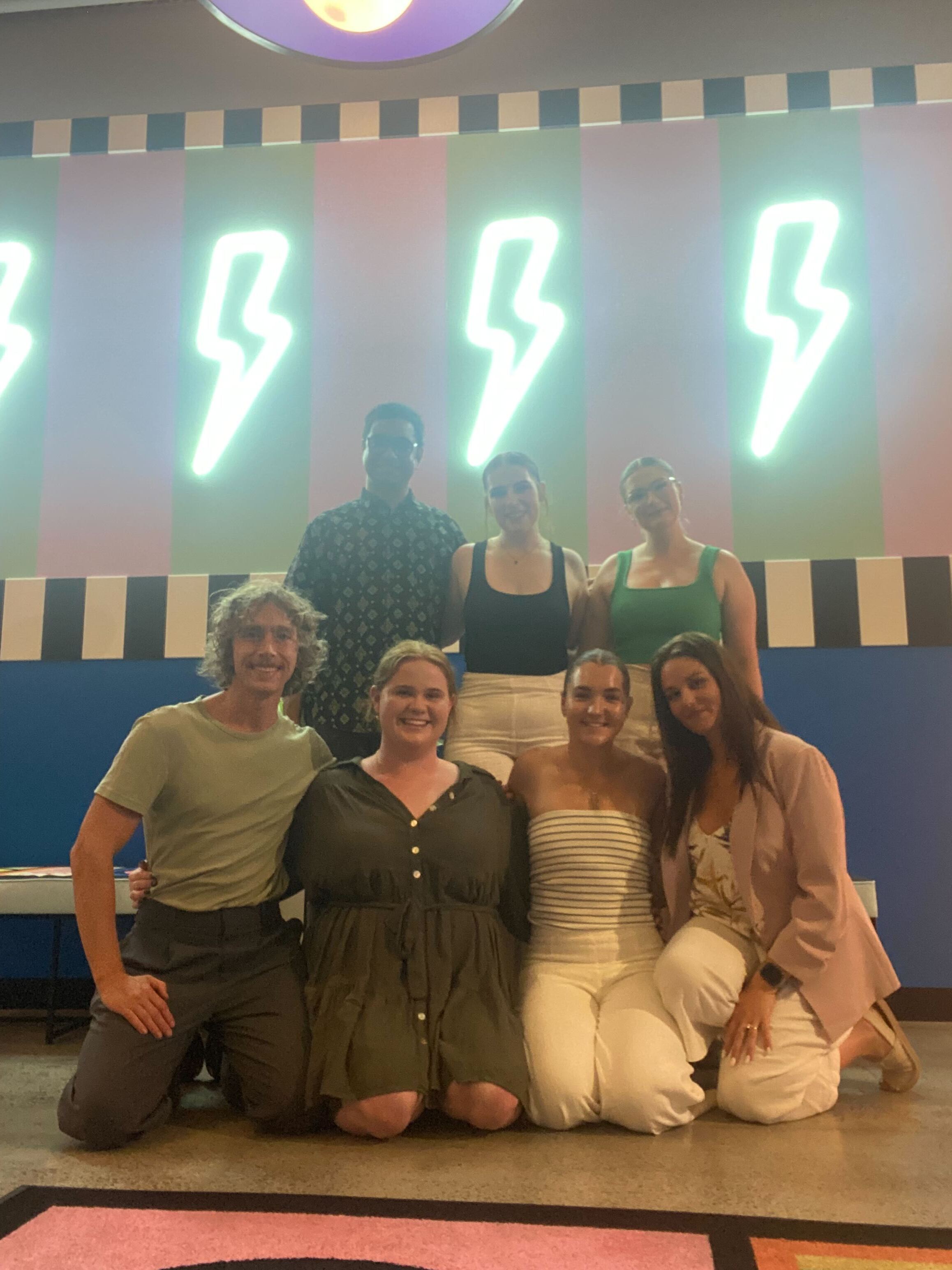
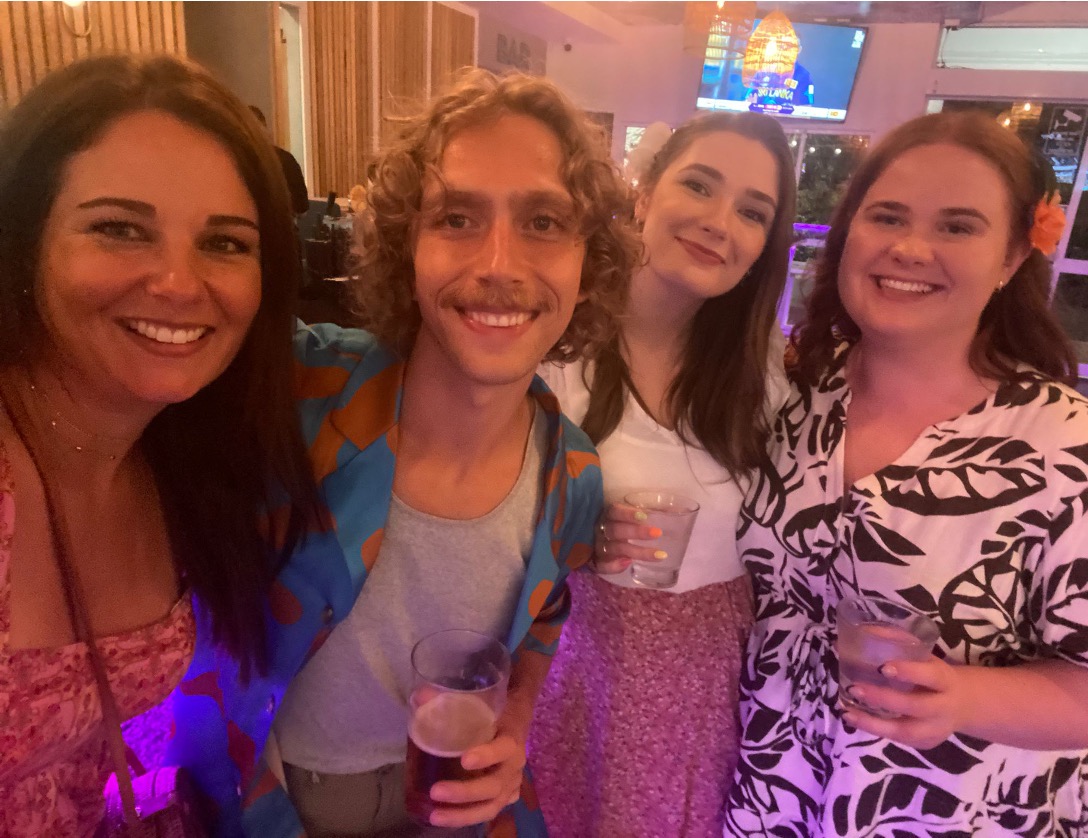
If I had to describe 2023 in a single word, I would have to say rollercoaster. 2023 has truly been a year of the highest highs and the lowest lows for the members of the MINDS Lab. Among them I suffered a major back injury which has put me largely out of action since June. Despite some challenging times for all of us personally and professionally, I am so proud of our group and how they band together always, but especially when it counts. They are so much more than the sum of their parts; they are the engine room and the heart. Our lab members are what makes the MINDS Lab a special place and the work worthwhile, and oh, do they bring the fun. I am sure this collective atmosphere is what carries us through tough times to when we can reap the rewards of hard work. I am so grateful for each of them.
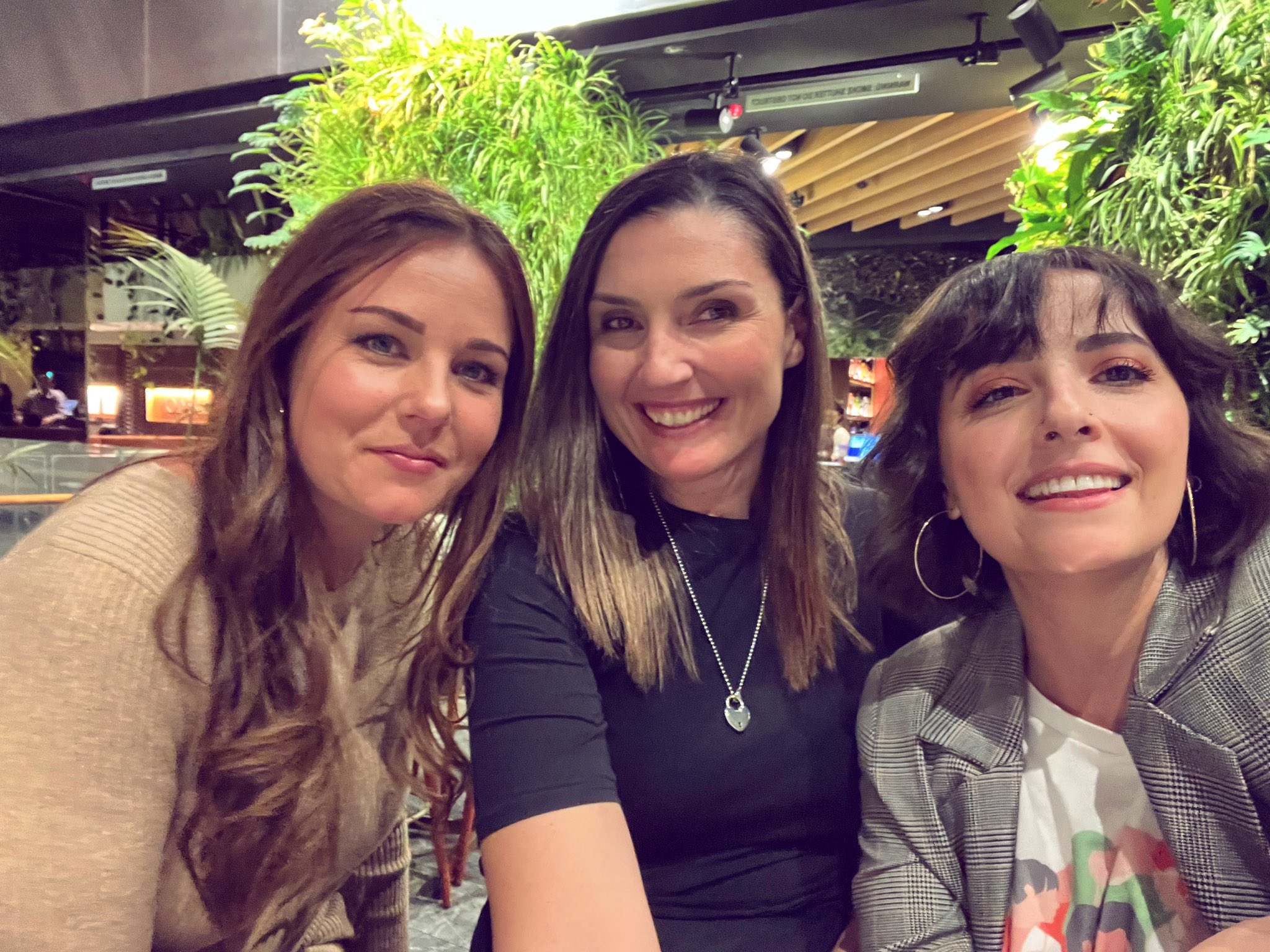
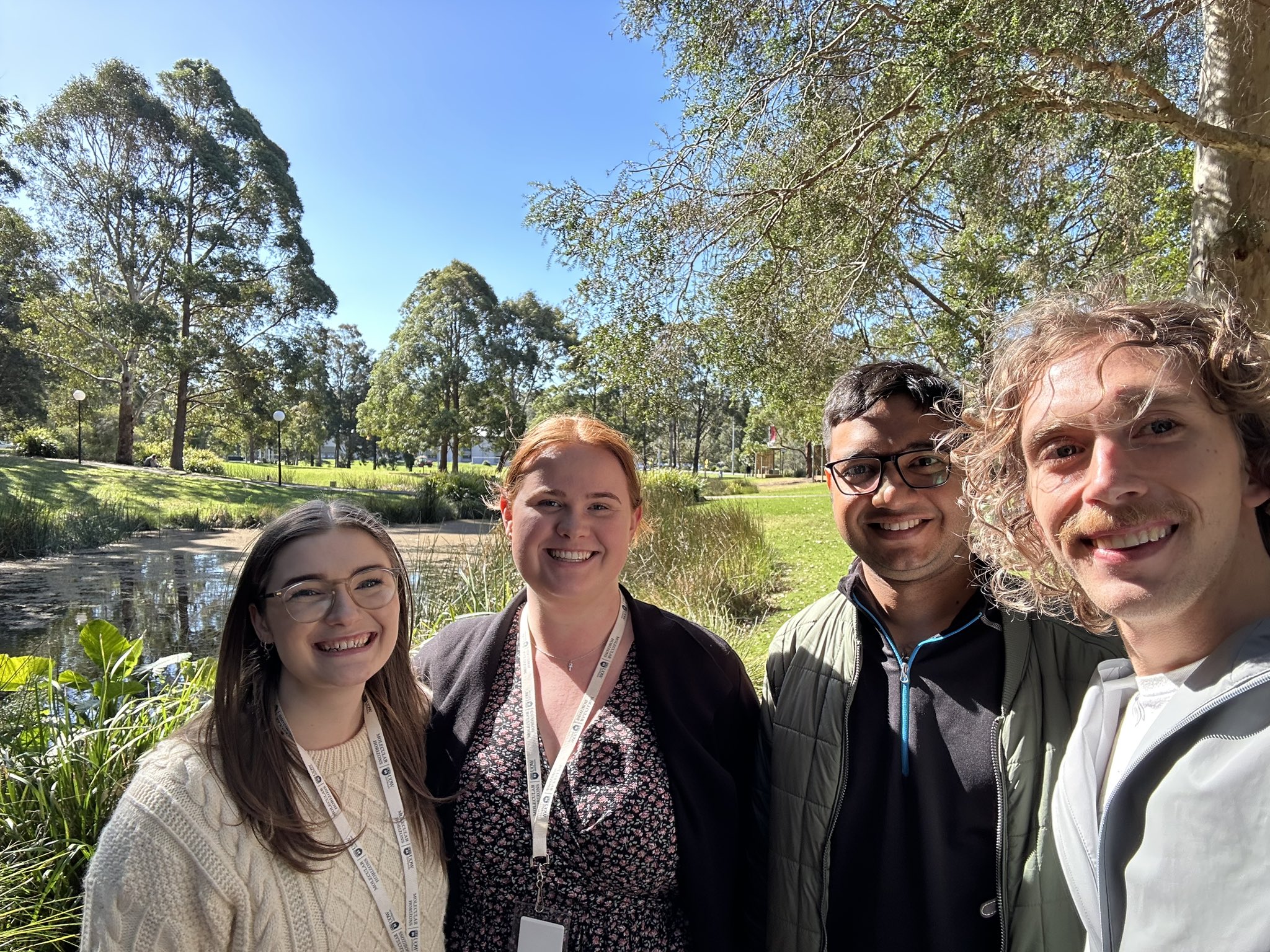
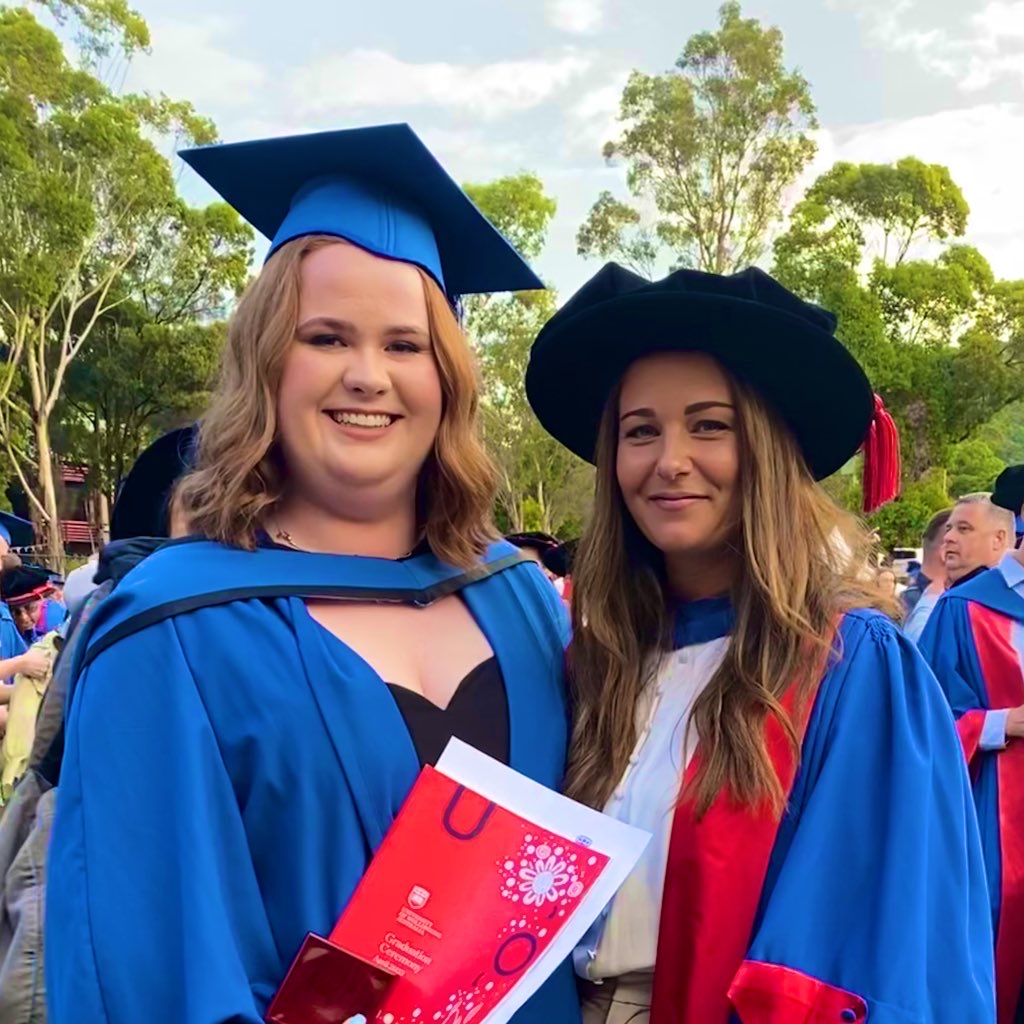
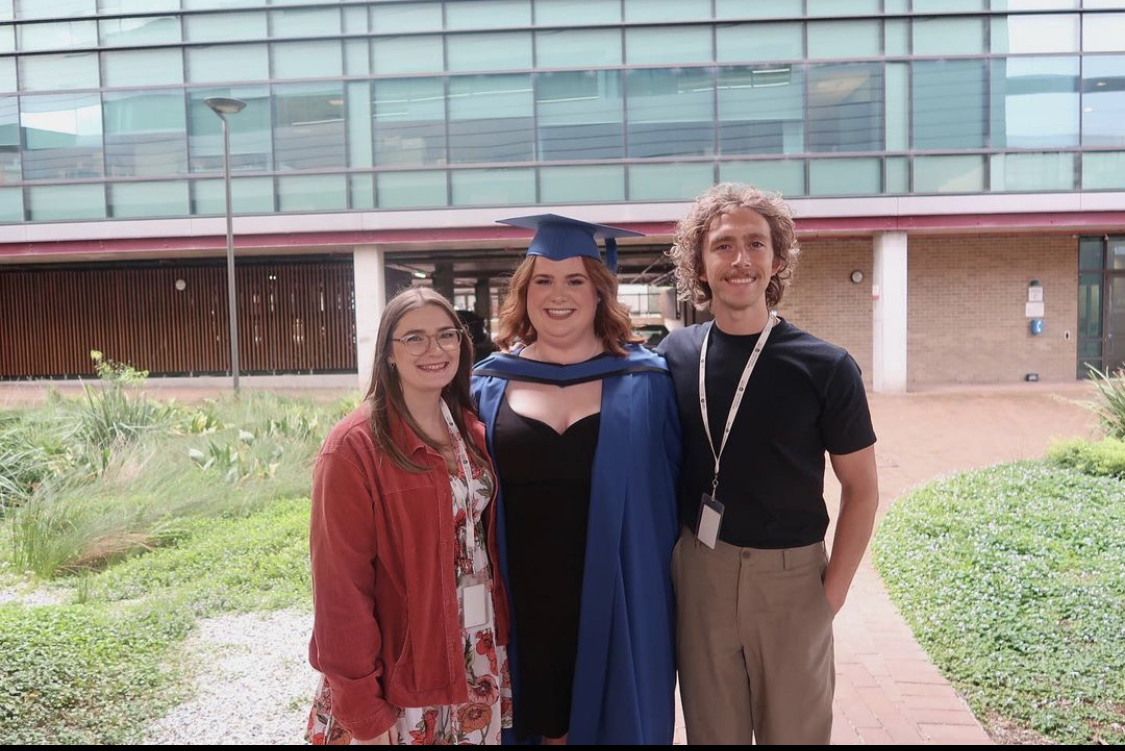
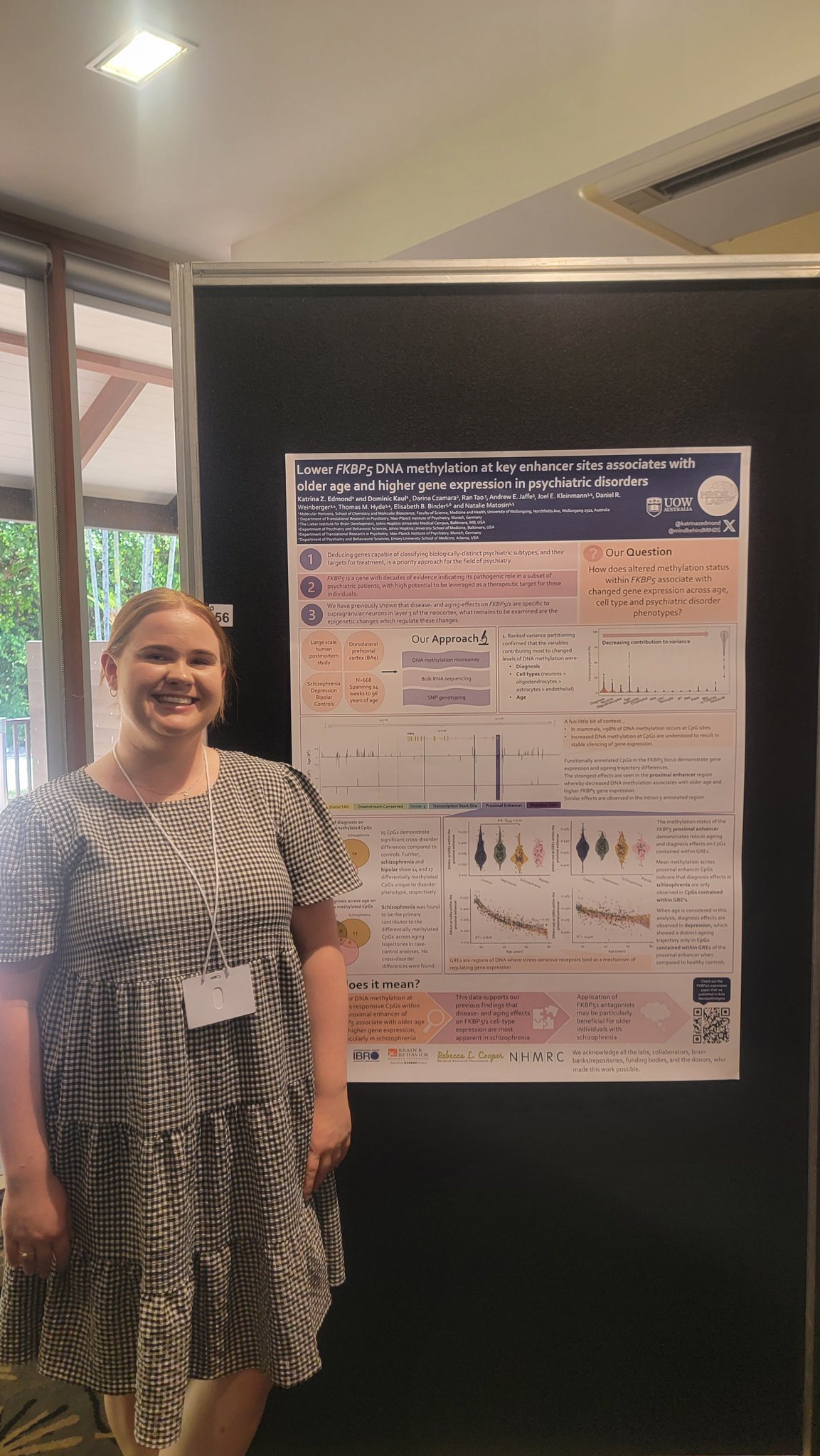
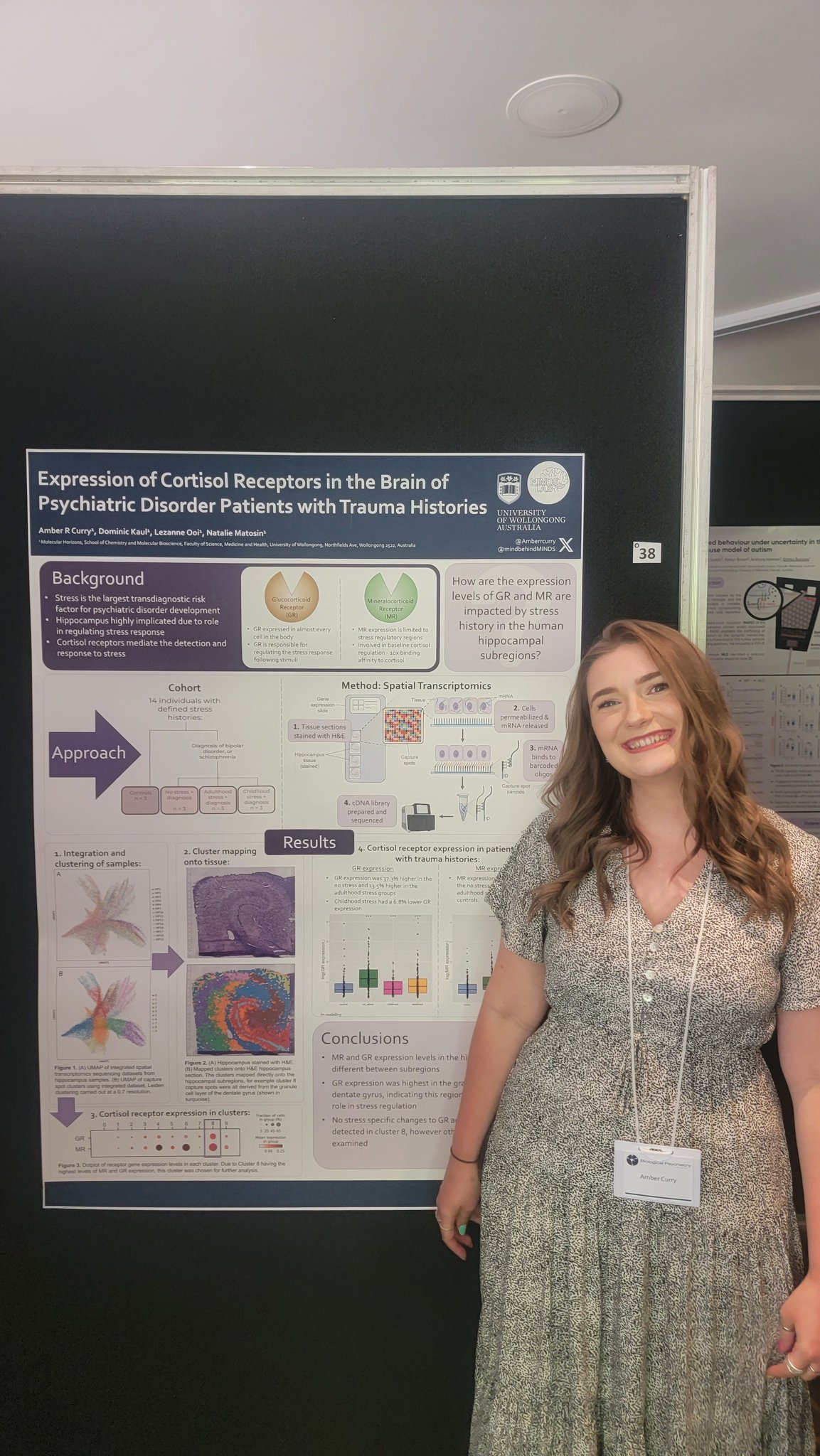
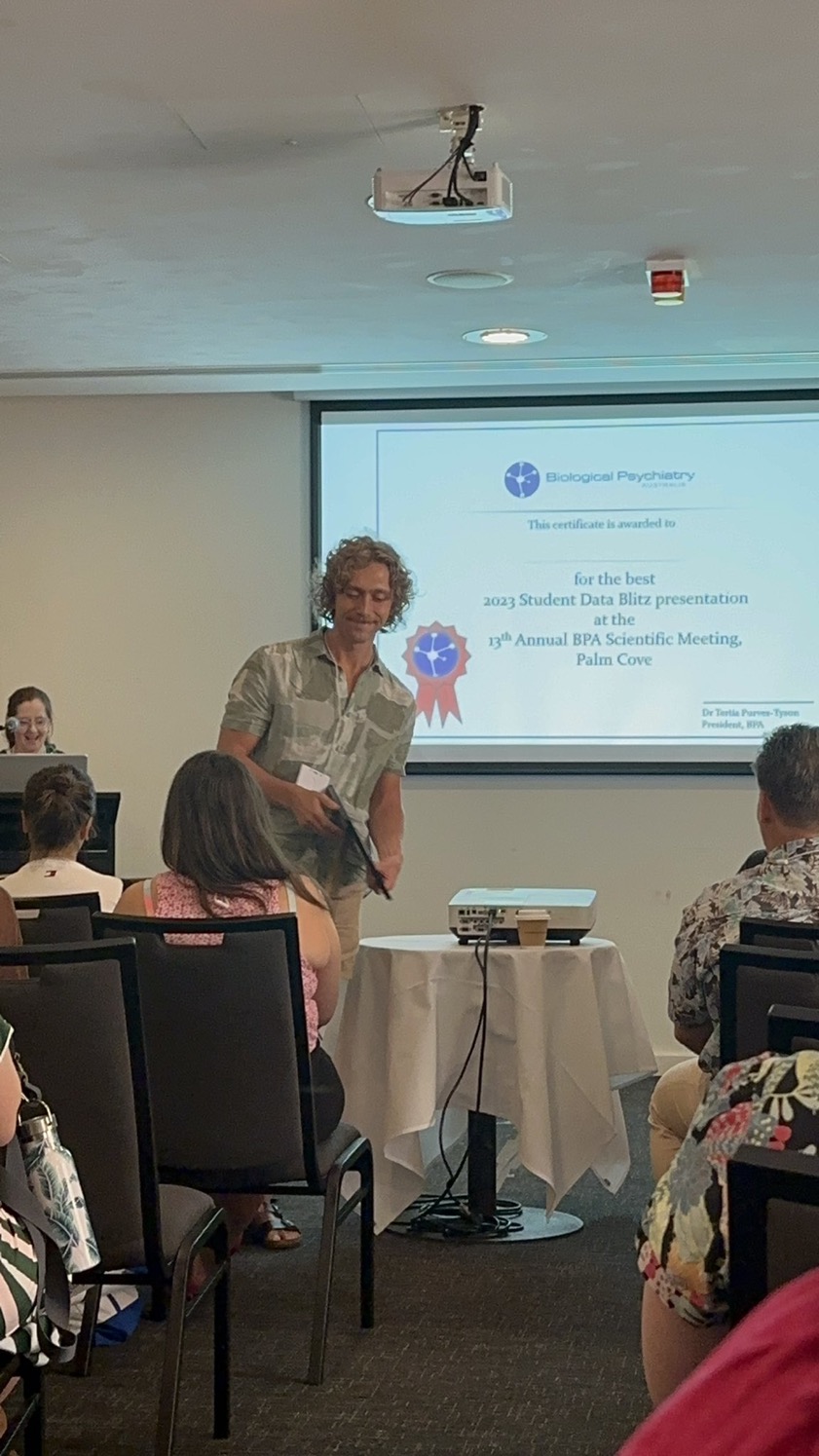
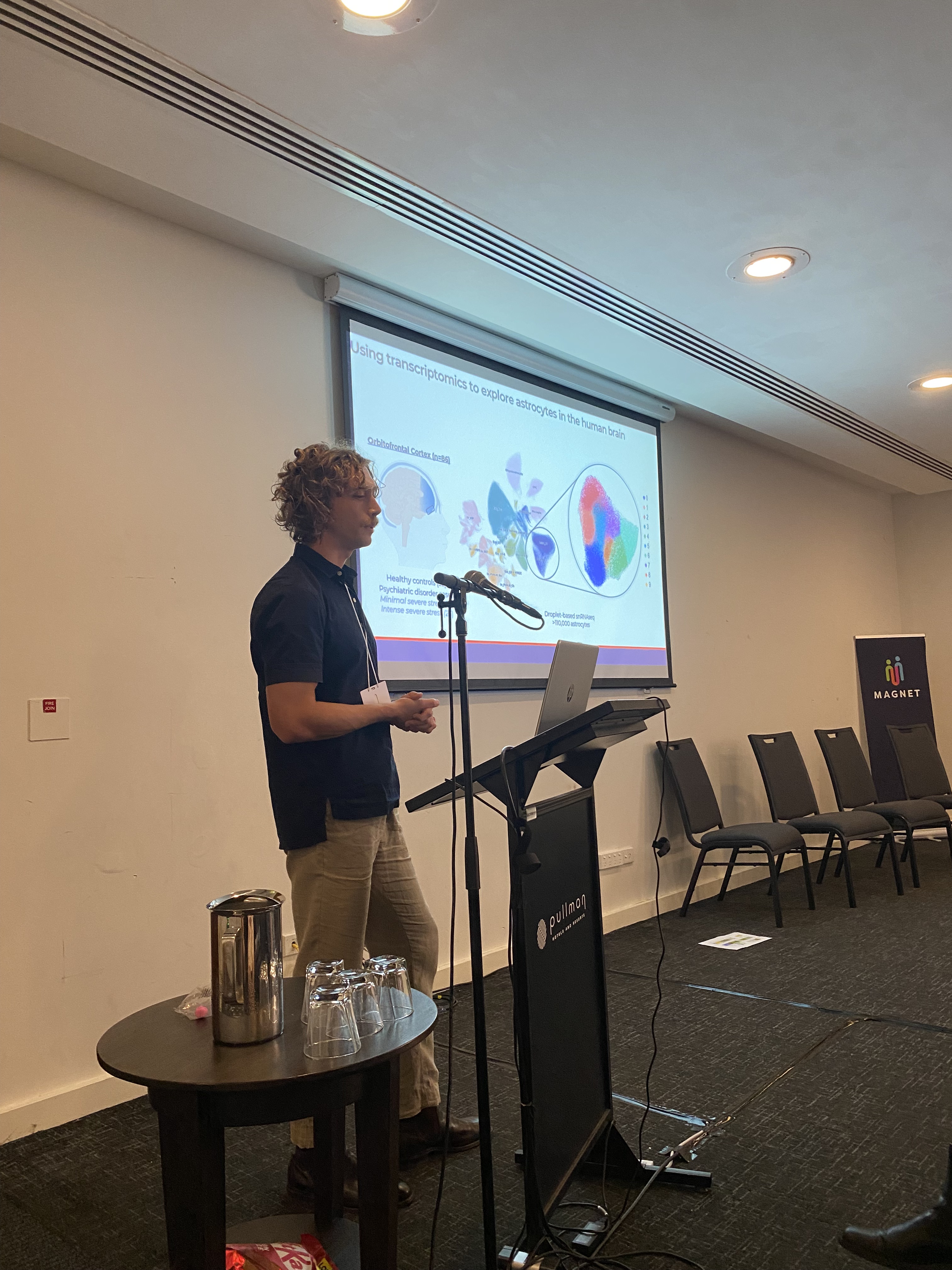
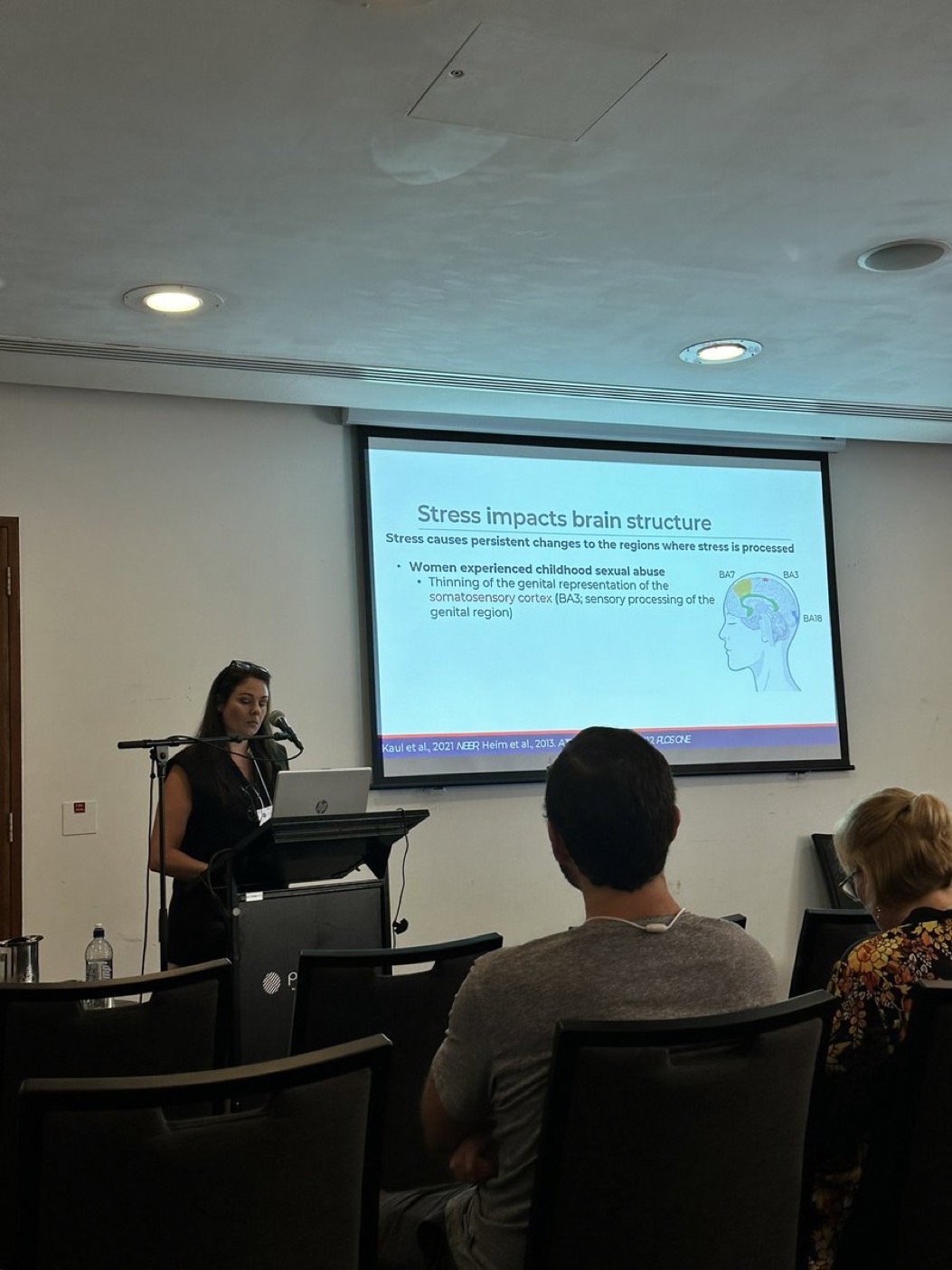
The MINDS Lab students have had some exceptional wins this year, a testament to their resilience and resourcefulness. It was such a pleasure to see Katrina being awarded the University Medal and delivering the Vote of Thanks at her graduation ceremony. Dominic took home the best student talk prize at the Biological Psychiatry Australia meeting, and Amber delivered a brilliant poster presentation that drew a huge crowd of interested attendees. Dominic also represented the lab at the Australian Neuroscience Society meeting by being selected to give a presentation from his abstract. Our Honours students Adrianna (cosupervised by Amber) and Amelia (cosupervised by Dom) did an outstanding job with their theses, both being awarded a first class honours. I have to give a special thanks to Amber and Dominic who really stepped up with supporting the Honours students while I was injured; just another example of how our team always keeps the cogs turning. We are also so proud of Amelia for achieving her dream of getting into med school, and look forward to watching Adrianna’s career as a genetic counsellor unfold. And lastly, we welcomed Tamim to our group as a new PhD student. Tamim is already hitting the ground running and become a staple of the MINDS Lab, working collaboratively on many projects.
Despite the knock on effects of our challenges for the lab and our productivity, we have had some significant successes that deserve celebrating, and maybe its even a little bit sweeter because of the extra barriers we had to overcome.
The biggest news is that I have been awarded a Sydney Horizon Fellowship to move our lab to the University of Sydney from January 8. These were 40 highly competitive continuing positions for researchers focused on addressing global issues with multidisciplinary research focused on climate change, sustainability and health. The scheme is also comprised of mentoring and training to develop the Fellows, so this is a very exciting opportunity not only because of the substantial resourcing that comes with the fellowships, but also the career development opportunities. It’s been five years since the humble beginnings of the MINDS Lab and I’m very excited to see what we can do with this new opportunity, especially job security (meaning we can take some calculated risks), and the substantial network at USYD and resourcing. I am most excited by being part of a framework that encourages multi/interdisciplinary research to solve some major global challenges.
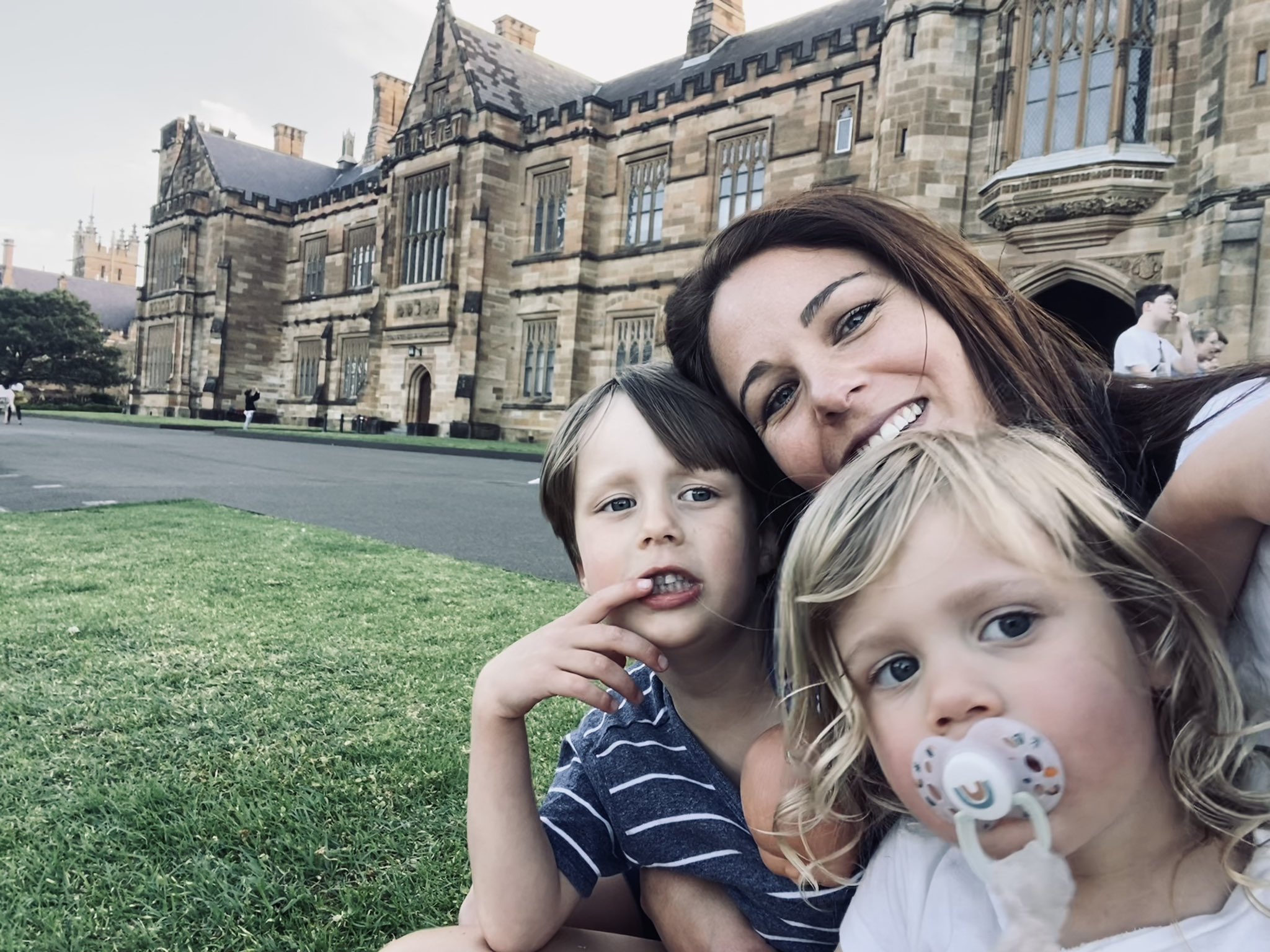
Of course taking this new opportunity means saying goodbye to all our friends and colleagues at the University of Wollongong, and this is truly bitter sweet. The University of Wollongong will always be a special place for me. I’m looking forward to staying in touch with all our friends and continuing our many collaborations.
Second big news is that we were successful in securing a consortia grant through by the Network of European Funding for Neuroscience Research (ERA-NET NEURON), which supports basic and translational research in the diverse fields of disease-related neuroscience. The grant provides us with 1,250,000€ (2.1M AUD, $1.2M AUD to us via NHMRC) to deeply phenotype the insular cortex in a large postmortem brain cohort of major depression and PTSD subjects with early life stress. Our team includes Elisabeth Binder (Max Planck Institute of Psychiatry), Rosa Karlic (University of Zagreb) and Shane Ellis (University of Wollongong), and our collaborators Thomas Hyde and Joel Kleinman (Leiber Institute for Brain Development). It was a mammoth effort to get this in while laid up, and couldn’t have done it without the team. Still a bit traumatised by trying to calculate currency conversions while in pain late at night; very grateful for Shane who came to the rescue. The insular cortex is a fascinating brain area, and we are developing new molecular analyses techniques to study it, so altogether a very exciting program and the whole team is eager to see what we will find.
With our new funding comes the opportunity to expand our team, and I am looking forward to having two postdocs and a lab manager join us in 2024. Keep an eye out on our Twitter accounts and lab website for more job ads in the first quarter of 2024.
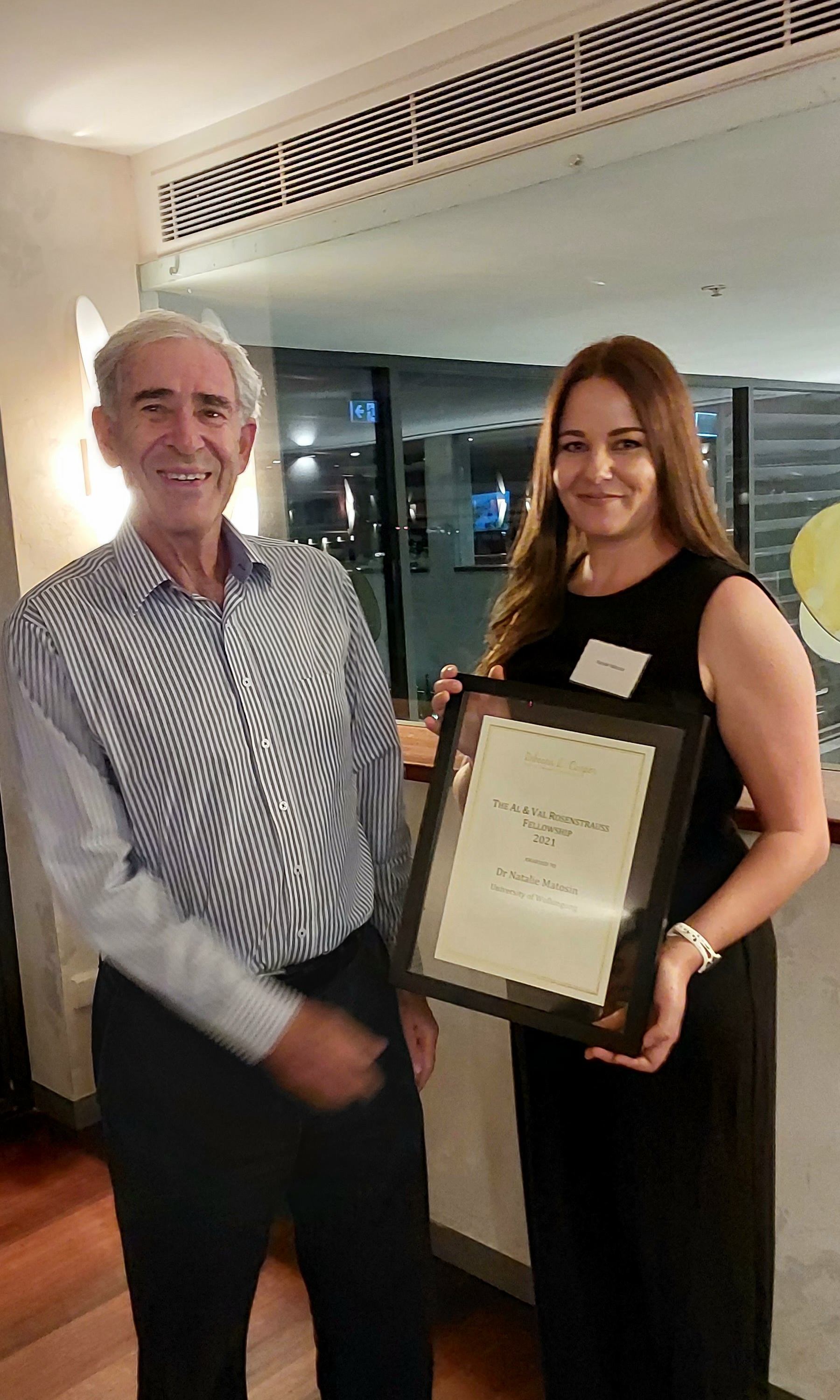
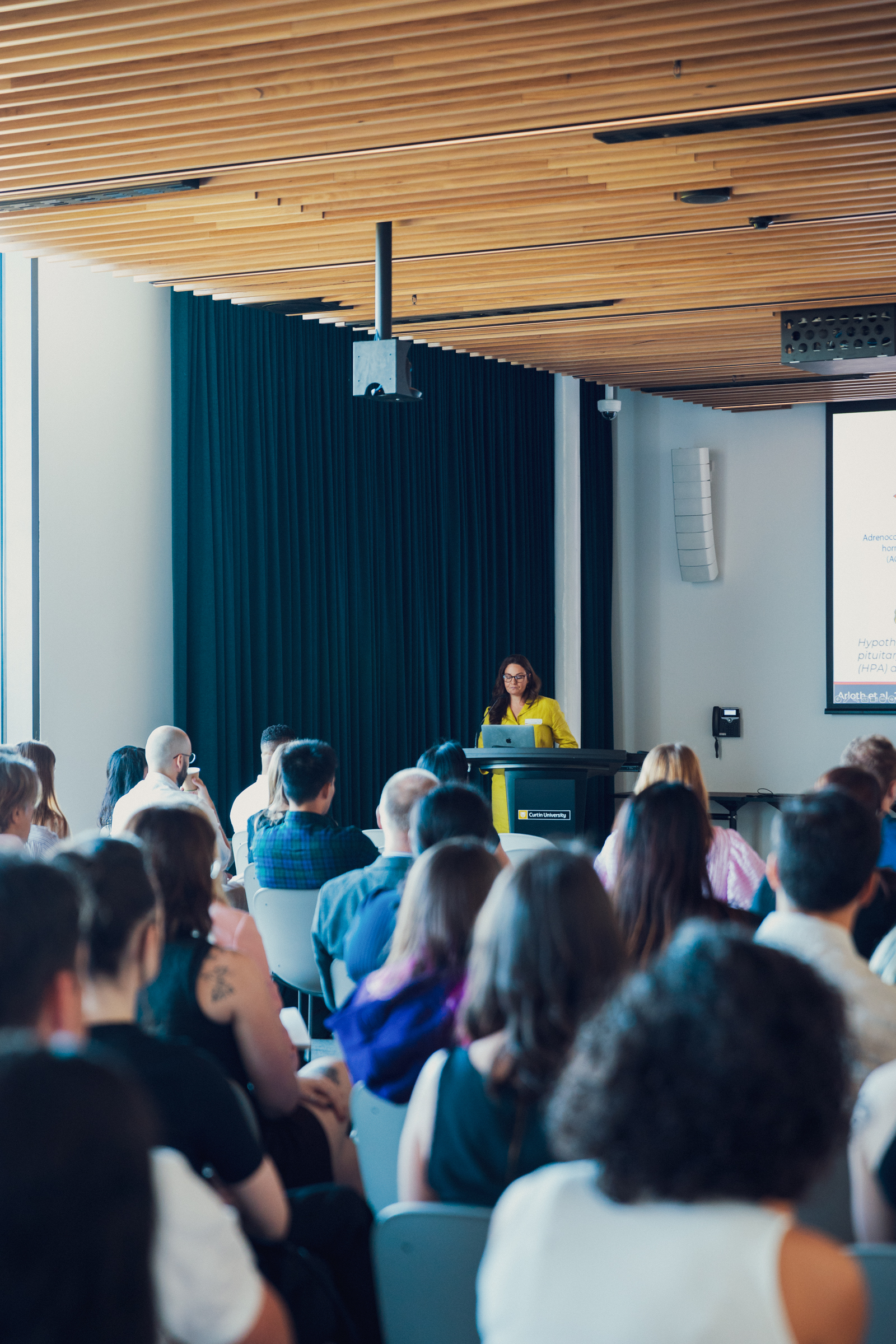
I was also honoured to be invited to deliver the opening plenary at the Society of Western Australian Neuroscience (SWAN) meeting in November in Perth, and present our lab’s work in a substantial way for the first time. Loved Perth and it was wonderful to hear about all the neuroscience happening on the west coast. I was also honoured and surprised to have received the Young Alumni Award from UOW. This was a great honour in light of the foundation that UOW has provided for my career. I’m also very grateful this year to have been a top five finalist for the International USERN Prize for Medical Sciences, and a finalist for both the NSW Premier’s Prize and the L’Oreal FWIS Fellowship. While I may not have been the winner, I am still proud to have our research being viewed amongst the top ranks.
It wouldn’t feel right to close out 2023 without acknowledging the loss of our friend and mentor, Prof Justin Yerbury. Before Justin passed he gave me some brain slice coasters which are hanging on my office pinboard, and I think of him often when I look up from my work. Whether this was his intention or not, they bring to me strength and resilience as I remember how he traversed the stress that comes from depending on fellowships, as well as the disability caused by motor neuron disease. Justin guided me through difficult professional times, despite fighting his own battles, and had an uncanny way of finding the silver lining. These conversations with Justin planted the seed for me to seek my own job security, and Justin’s strength and determination will always inspire me and be a gift from my time at UOW that I take forward to USYD.
Looking back I am humbled by what we have achieved with modest resourcing and some serious setbacks, and I know that with this new chapter will come incredible possibility, and most importantly, important discoveries.
From myself and on behalf of the MINDS Lab, Merry Christmas to those that celebrate, Happy New Year and happy holidays to all. Natalie ✨