Twists, Turns and Growth: MINDS Lab 2025

These end-of-year reflections are now a ritual, and I usually commence by reading the previous year’s wrap up. This time, reading last year’s reflection made me laugh because 2025 ended up having twists and turns I could never have anticipated – an important reminder that progress is rarely linear, but that however unexpected, there is always growth, and that’s what matters.

Lab milestones and student wins 

I am enormously proud of our lab and all that was achieved this year. Dominic’s thesis was selected for publication in the Journal & Proceedings of the Royal Society of NSW, a prestigious accolade awarded based on scientific excellence and a beautiful capstone to his PhD journey with us. We are grateful to still have him affiliated with our lab, helping with several ongoing projects. Jooya and Sonia both achieved a Class I Honours in the MINDS Lab, and are now headed towards a career in medicine. Our hope is that they carry the MINDS Lab spirit and support into their future clinical careers.

Our teaching and training ecosystem kept expanding. Two Dalyell scholars, Alicia and Hafza, completed their research projects with us, both achieving a high distinction, and Honours students Jooya and Sonia joined a growing cohort of MINDS Lab trainees whose projects are embedded in international collaborations across institutes like McGill, the Max Planck Institute of Psychiatry, the Karolinska and the Lieber Institute for Brain Development. PhD completions and thesis completions continued to roll in, with Helena from the Ooi group successfully obtaining her PhD, Amber doing a stellar job of her final PhD oration, and Katrina, Tamim, Sophie, Lydia and Amber each adding awards, invited talks and new publications to their CVs. We are excited that William Haynes (PhD student) and Yasmine Kostoglou (Lab Manager) joined our team in October. They’ve both already settled right into the MINDS Lab and its hard to imagine what life was like before them! We will also welcome Adeline Blomqvist as an honours student in 2026 – we can’t wait to see what you achieve with the guidance of Sophie!

Conferences, talks and visibility 

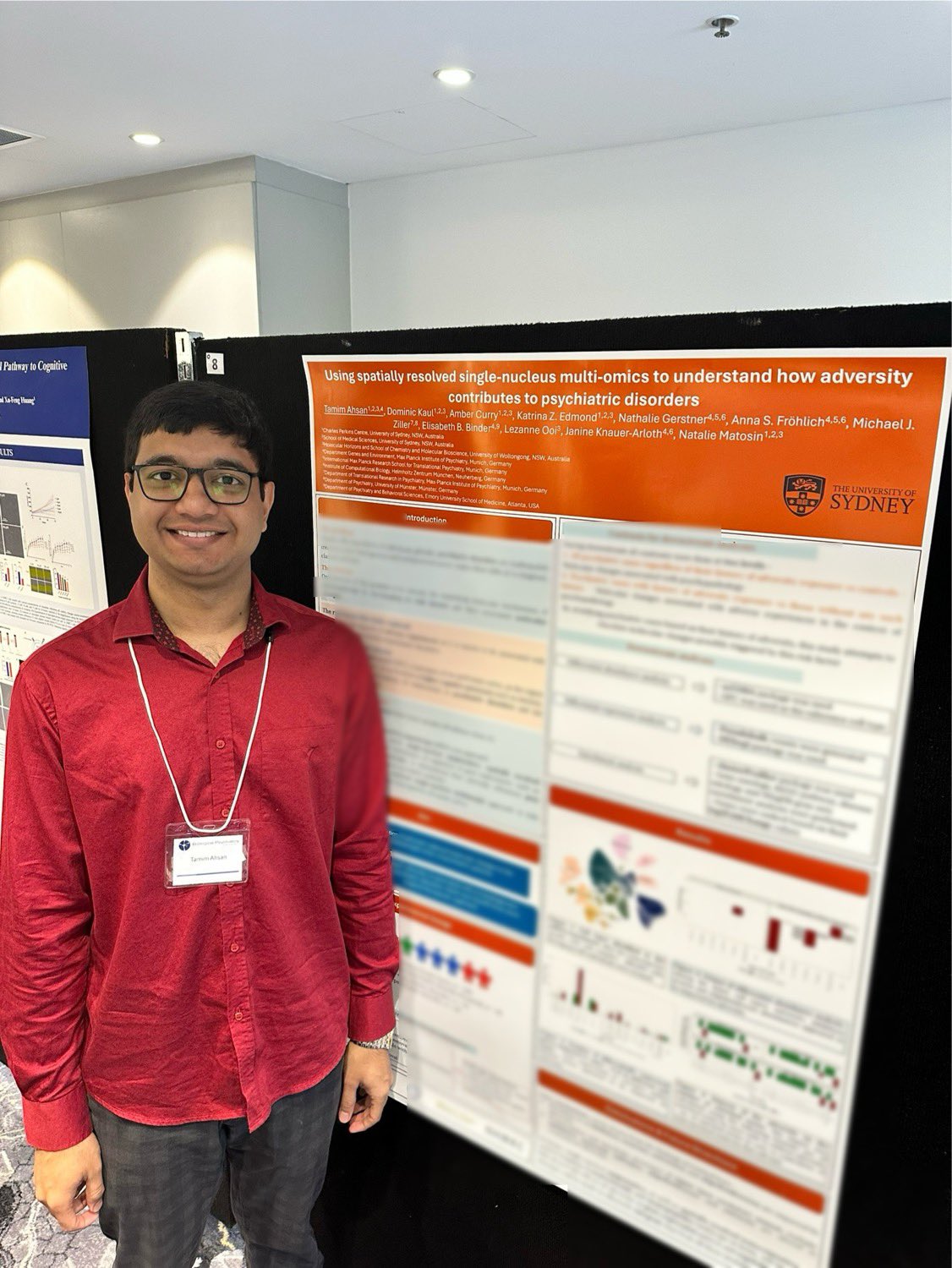
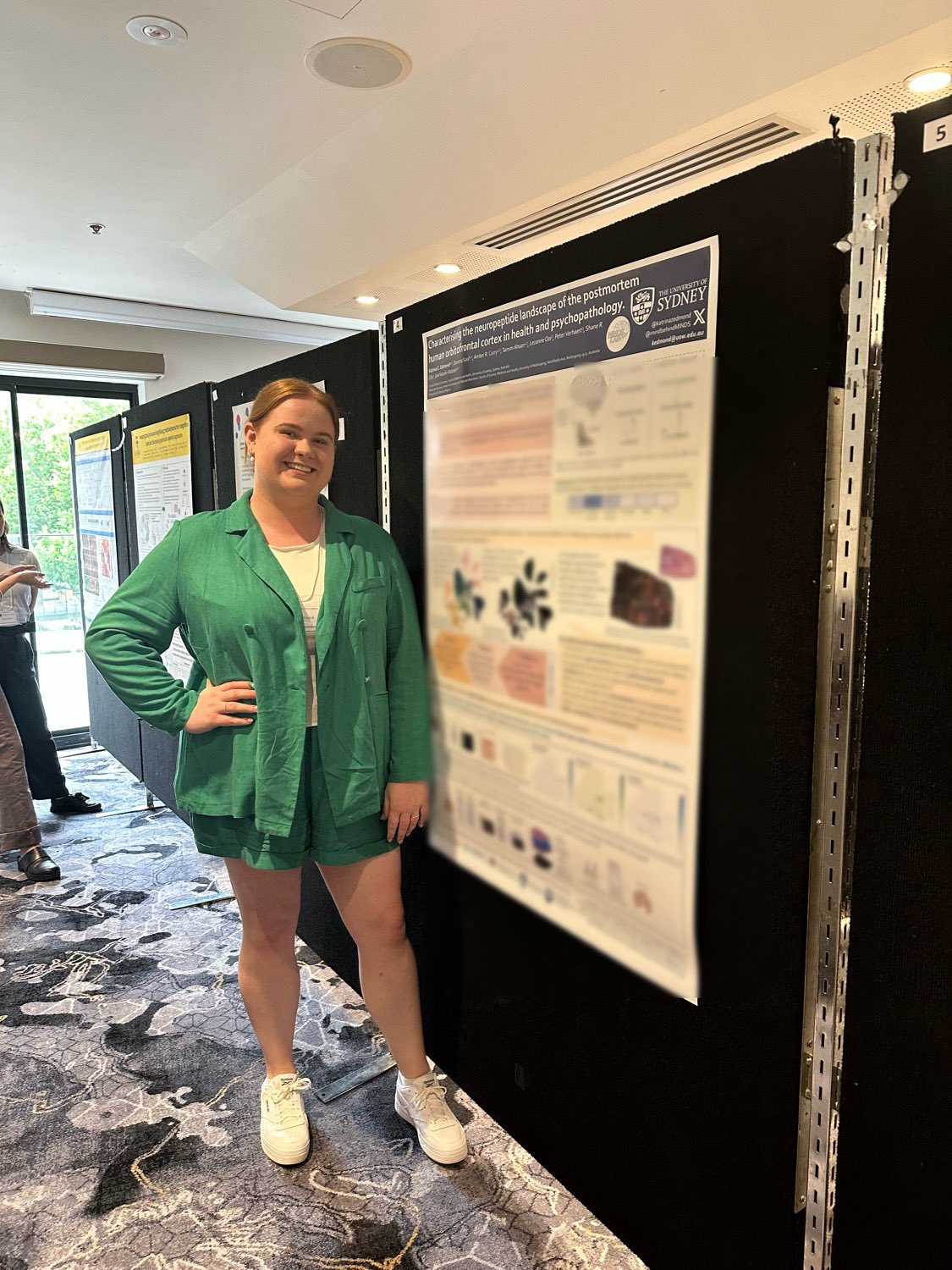
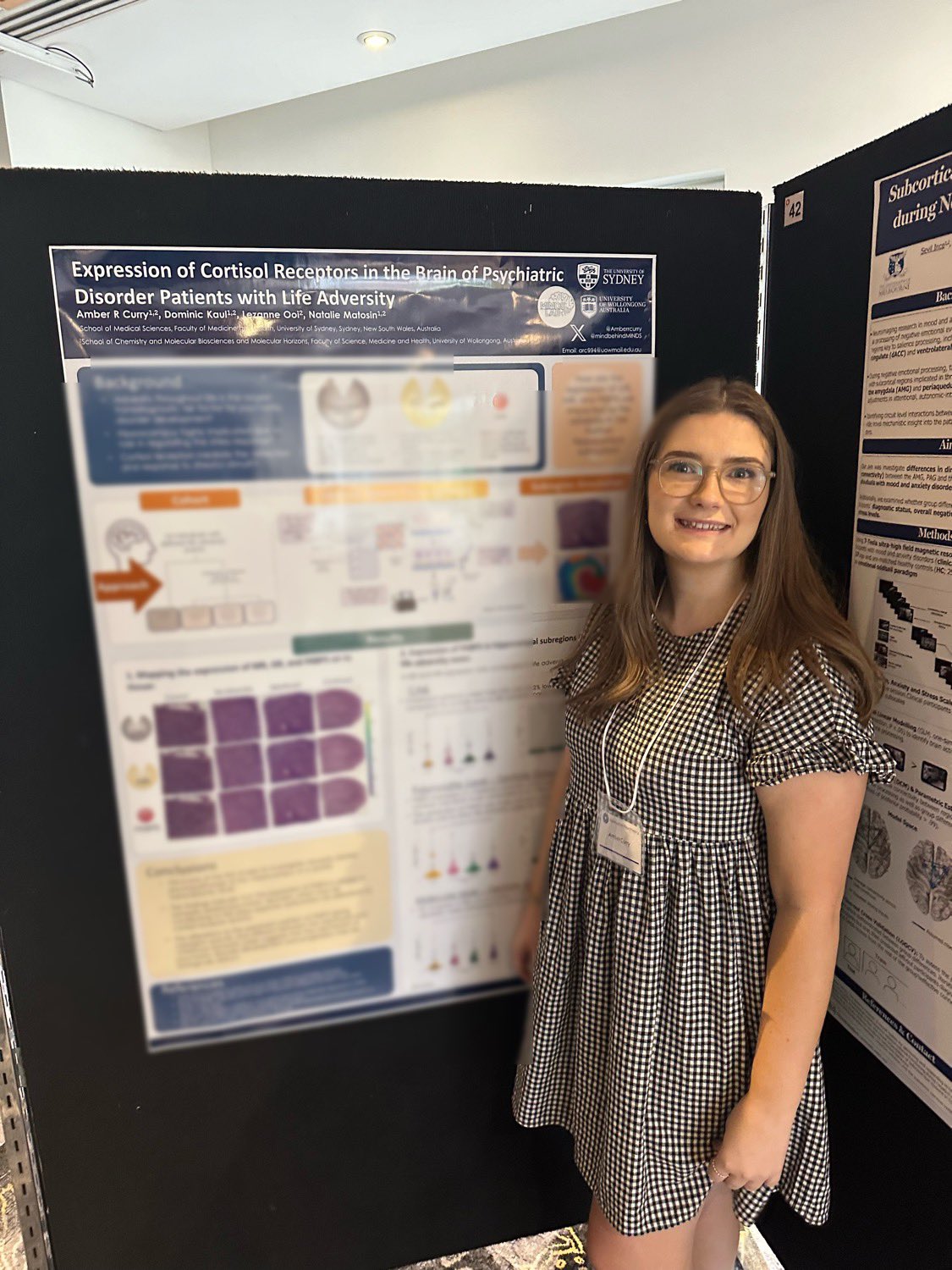
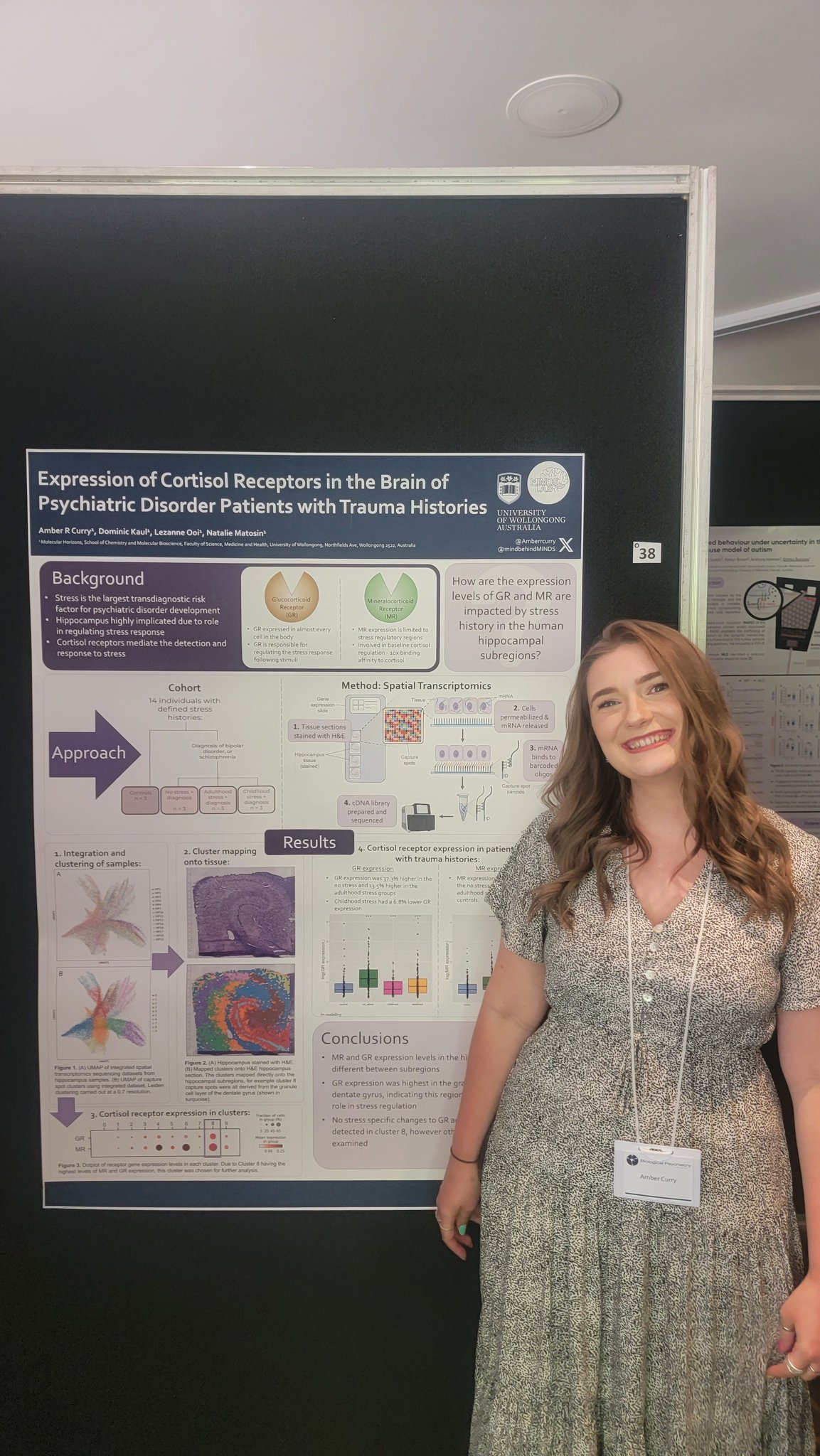
Conference season once again delivered its signature chaos… the good kind. Tamim and Lydia presented their work at the Australasian Neuroscience Society meeting in Hobart, adding more Tasmanian wind, coffee and networking to the MINDS Lab lore. Three of our PhD students, Amber, Katrina and Tamim, were competitively selected for oral presentations at the international CINP conference in June, and Tamim received the President’s Special Commendation Diploma for his outstanding contributions to neuropsychopharmacology.

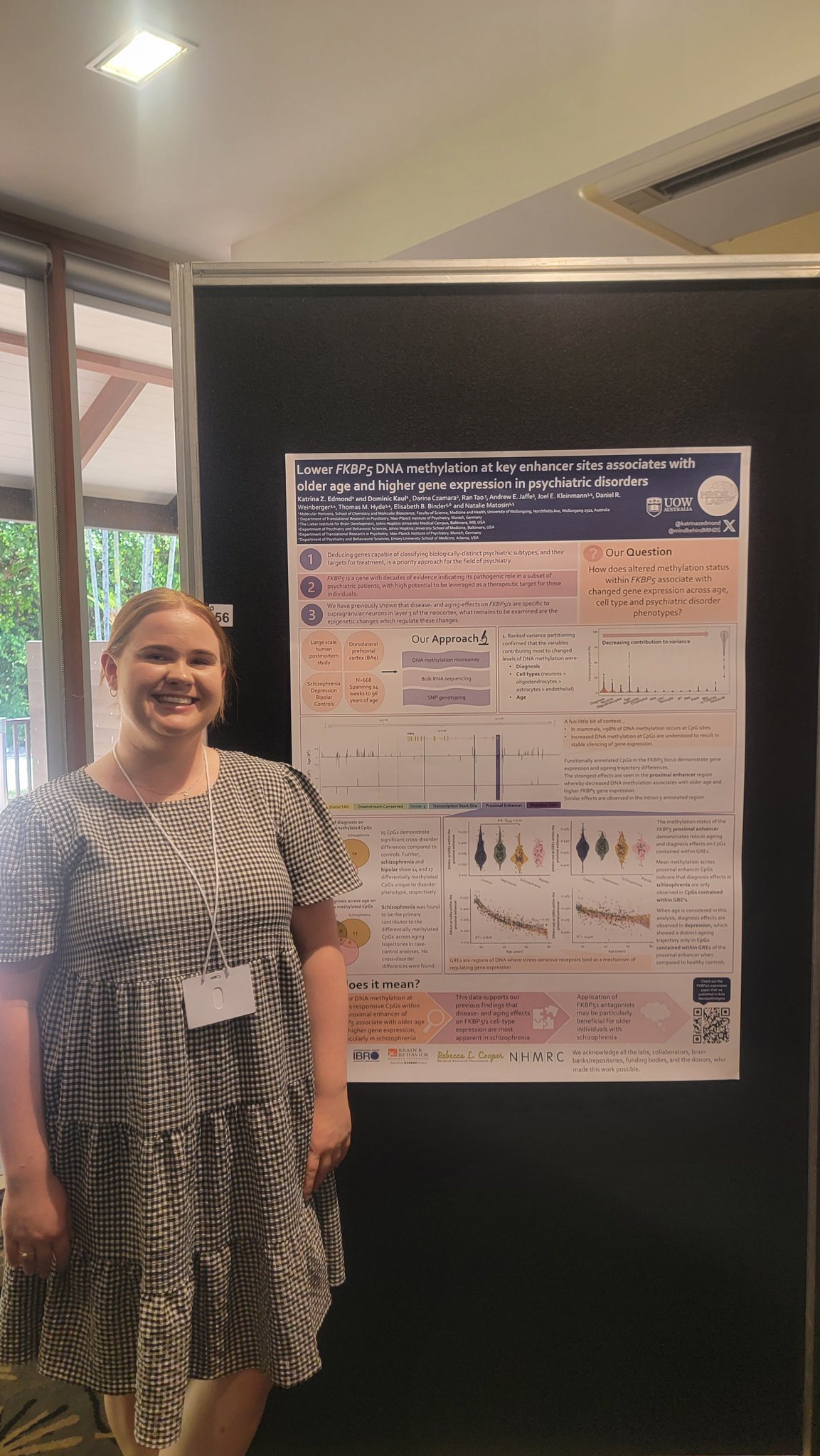
Katrina won Best Data Blitz in the PhD category at the SOMS Neuroscience EMCR event, while Sophie secured EMCR travel funding from the Charles Perkins Centre to visit the Lieber Institute later in the year. Throughout 2025, lab members continued to present at national and international meetings, helping to give us visibility in the global stress and neurobiology community and giving our trainees the stage time they richly deserve.

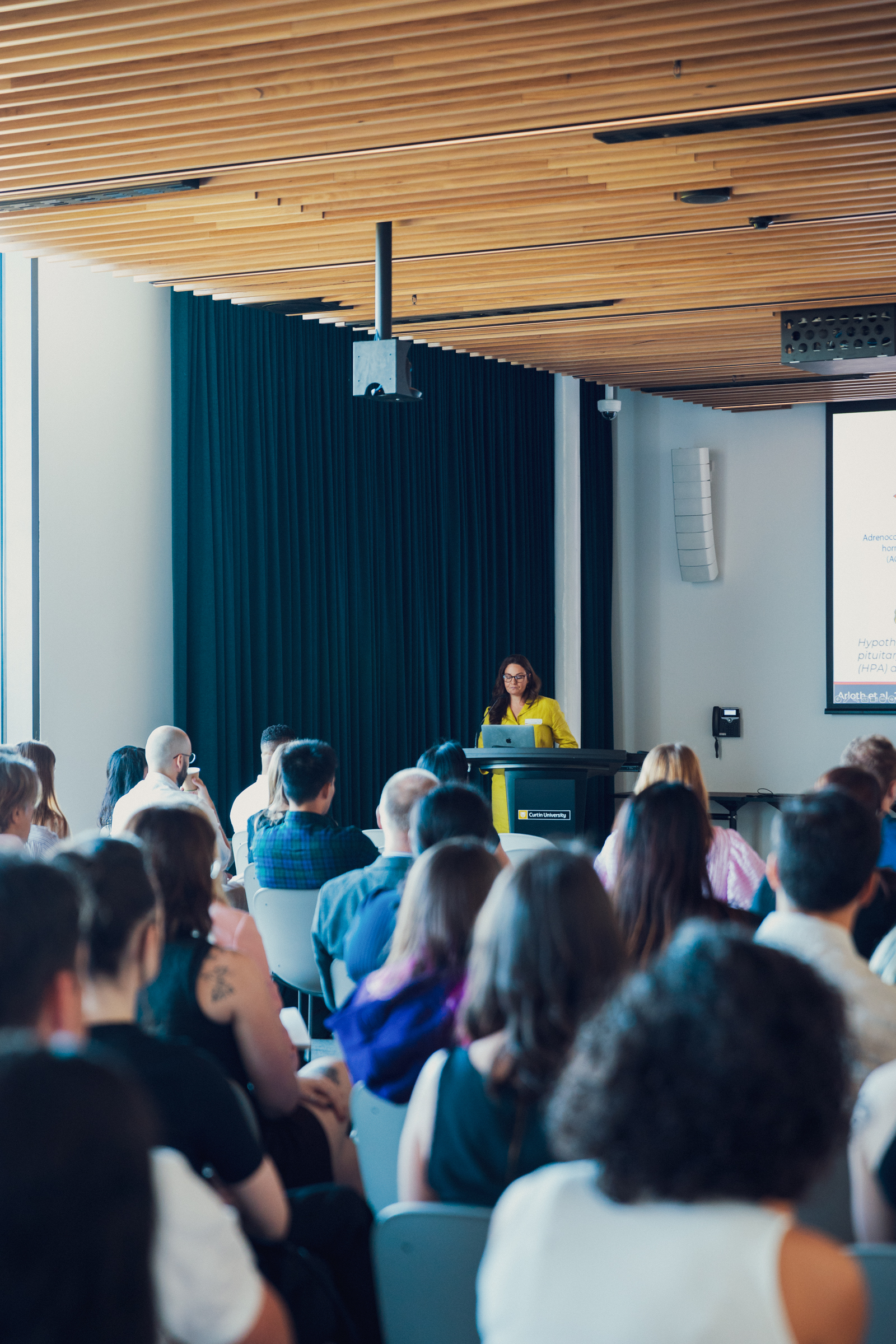
As well as attending my first CINP for a symposium talk in June, I also attended my first ECNP conference in Amsterdam in October, for a Campfire talk with my good friend and colleague Associate Professor Thora Halldorsdottir from the University of Reykjavik. It really was unlike any other talk we’ve given. We had a great time presenting and catching up with friends and mentors, followed by a collaborative visit for NeSTED at the Karolinska Institute with Drs Cristiana Cruceanu and Pablo Lopez. Combined with several invited talks across Australia, and presenting the Aubrey Lewis Plenary at BPA, it is always an honour to promote our lab’s work and the excellence of our lab members.

TRIP, brain donation and global collaborations 

I am delighted that our TRIP refugee project with STARTTS this year moved from concept to tangible progress, with pilot data now in hand and the STARTTS team presenting an abstract at the 4th Australia and New Zealand Refugee Trauma Recovery in Resettlement (STARTTS x FASSTT) Conference next year. Collecting these data has involved deep collaboration with clinicians, community organisations and refugee families, and every dataset we add feels like a step toward more compassionate, biologically informed care.

In August, Katrina and Sophie travelled to the Lieber Institute for Brain Development in Baltimore, where they spent time with Prof Thomas Hyde and Prof Joel Kleinman’s teams, and observed firsthand how the world’s largest repository of human brain tissue for neuropsychiatric research is curated and cared for. The experience brought home the enormity of brain donation as a gift, and it was particularly moving given that the tissue we use in our own experiments is derived from that same repository.

Networks and leadership 

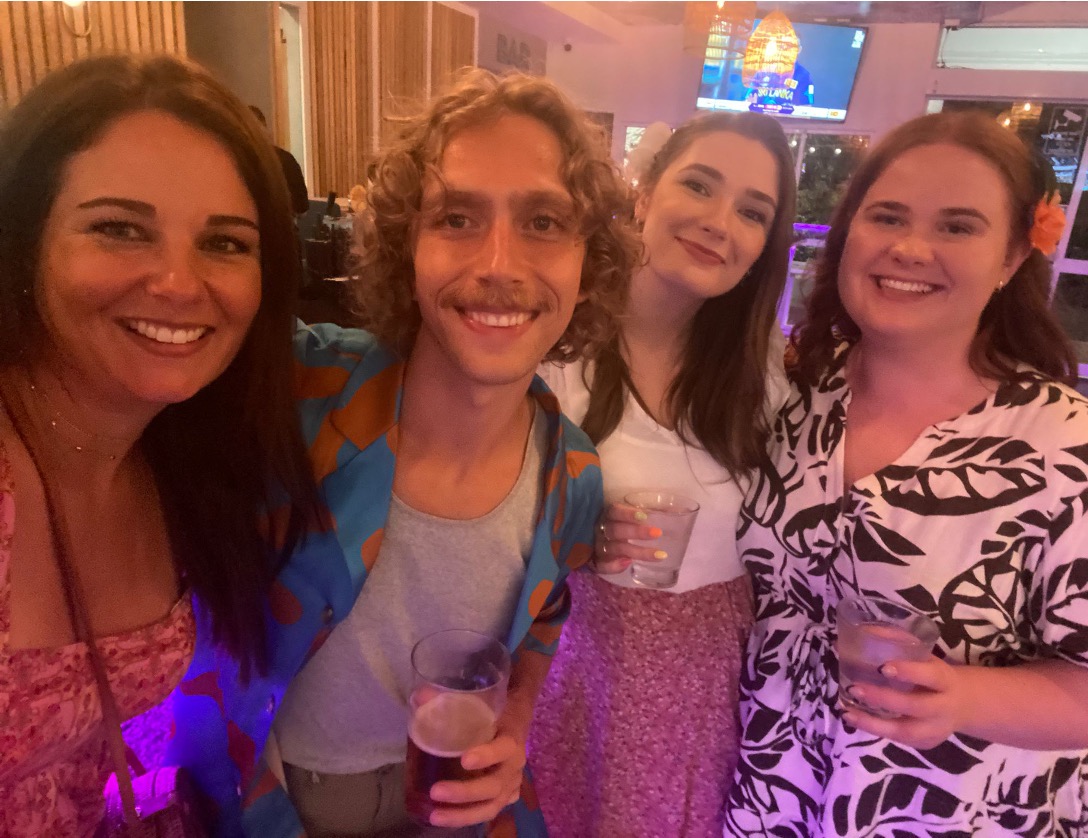
September brought a different kind of spotlight when Sophie attended the University of Sydney’s “For Good” 175-year campaign celebration at the Sydney Town Hall on behalf of the lab. Over the course of the evening she moved from table to table, sharing stories about our work with alumni, philanthropists and community leaders, translating single-cell data and spatial maps into conversations about people, trauma, resilience and hope.

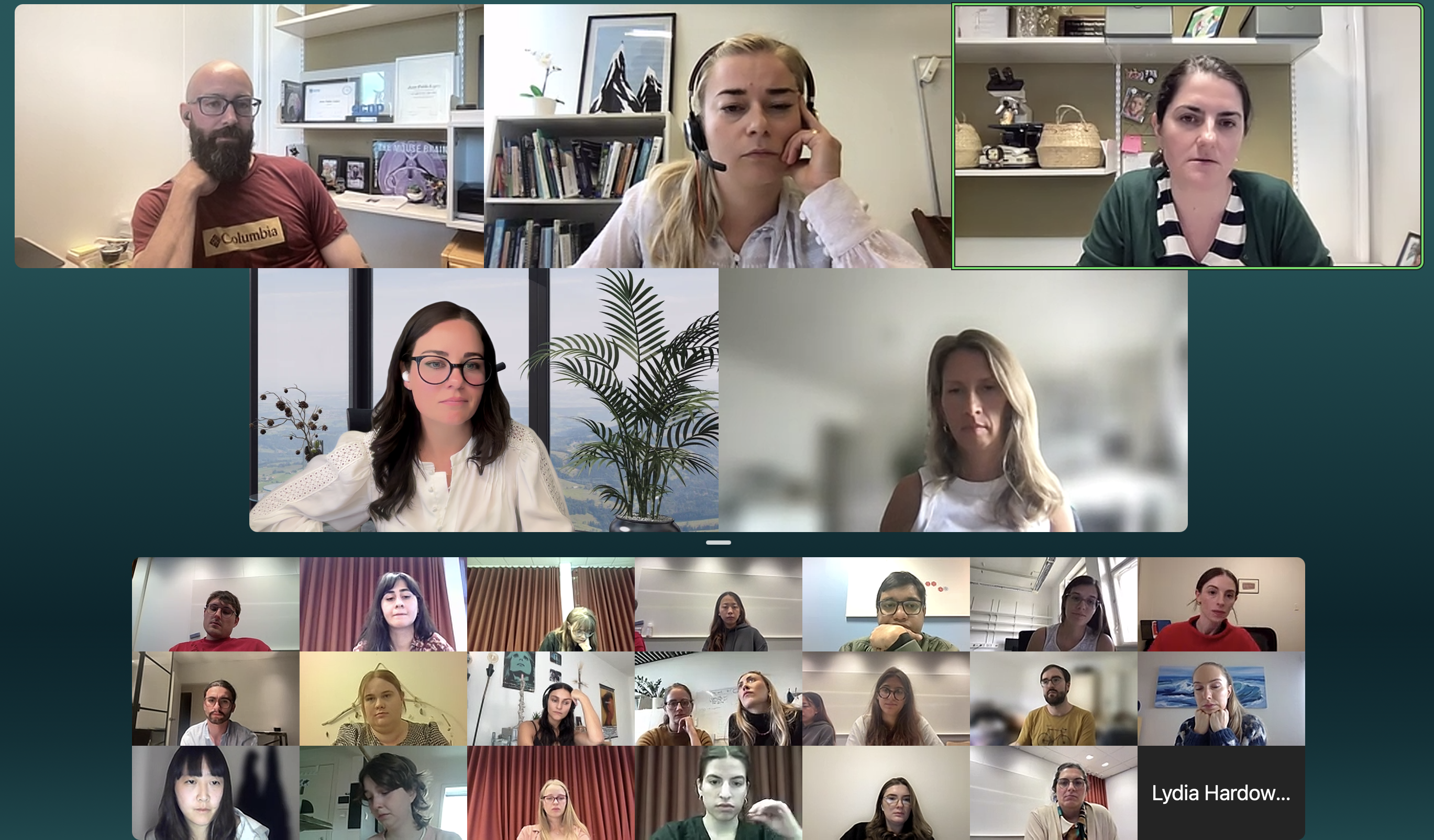
Our NeSTED consortium continued to gather momentum, with our 2025 virtual symposia bringing together trainees across Sydney, the Max Planck Institute, the Karolinska Institute and Reykjavik University for a program of talks and discussions that felt both rigorous and fun. Within USYD, the lab’s contributions to spatial biology continues to grow into capacity-building efforts, positioning our group as a key part of the next wave of spatial multiomics infrastructure and training.

Time to rest

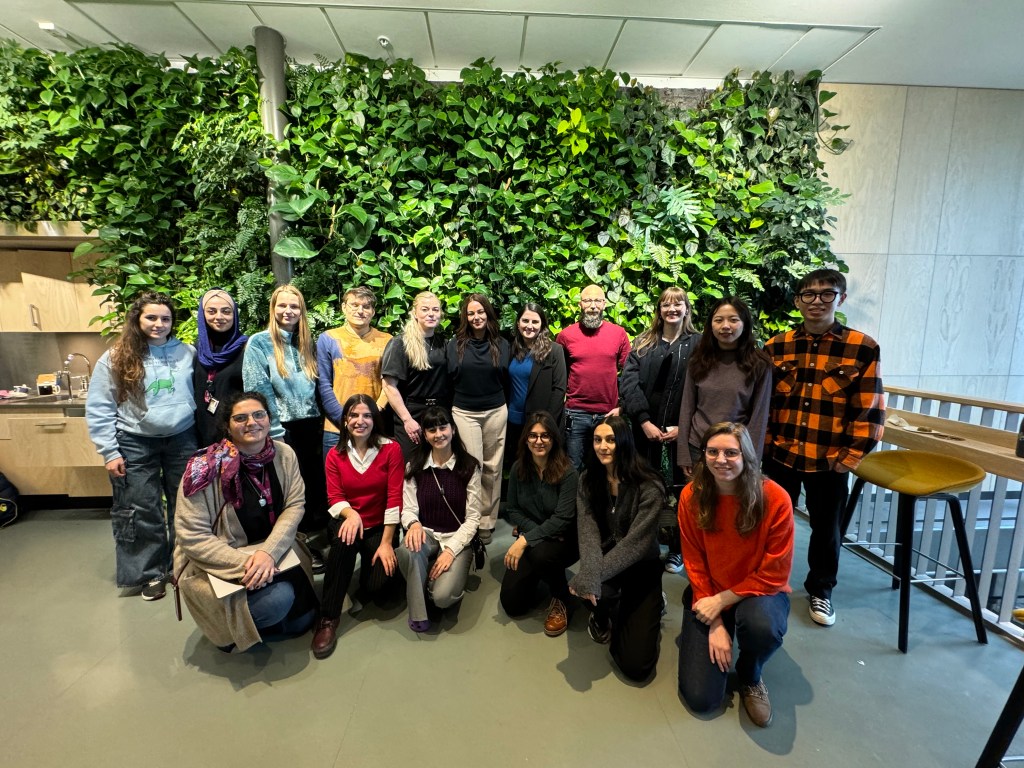
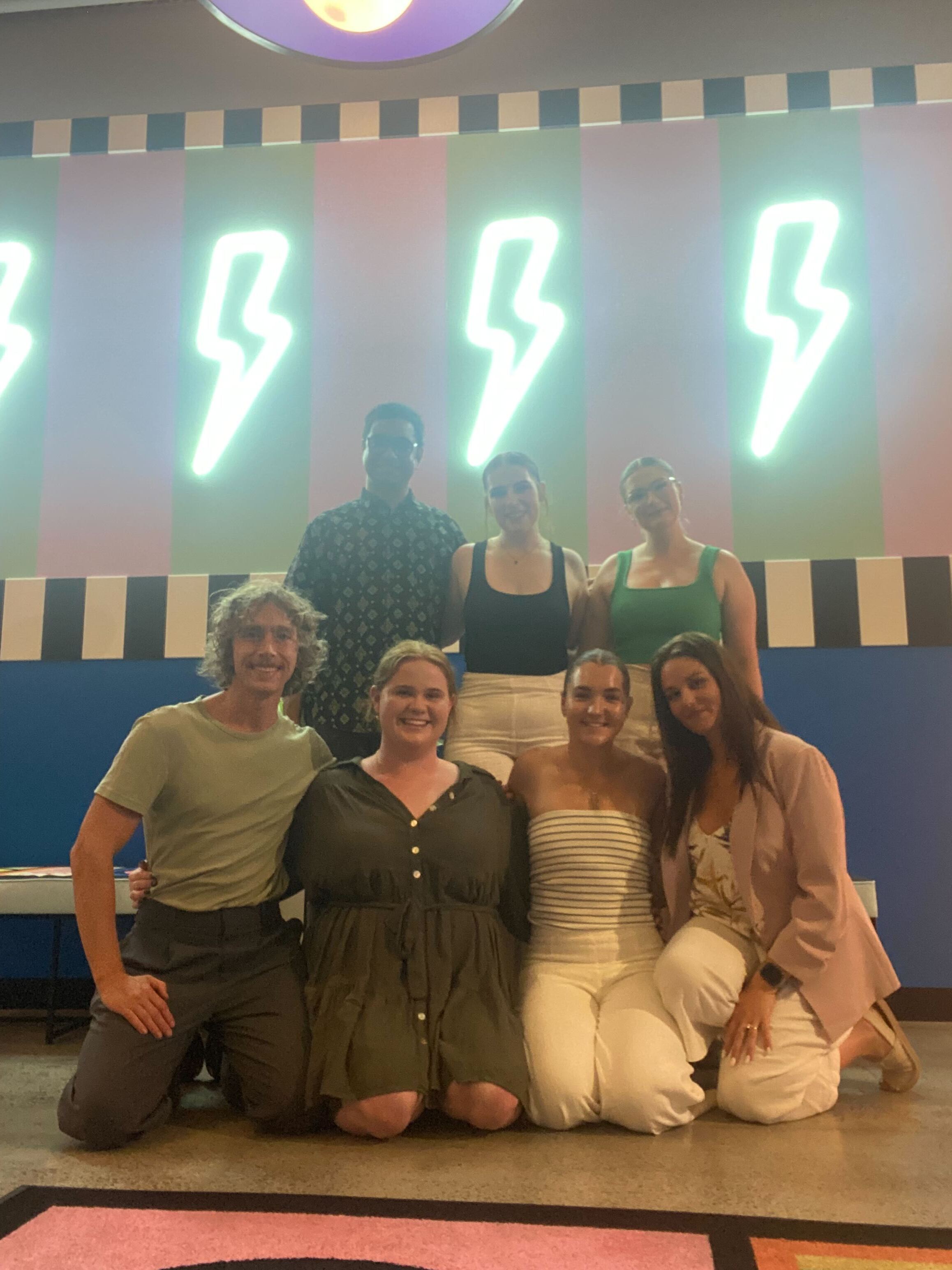
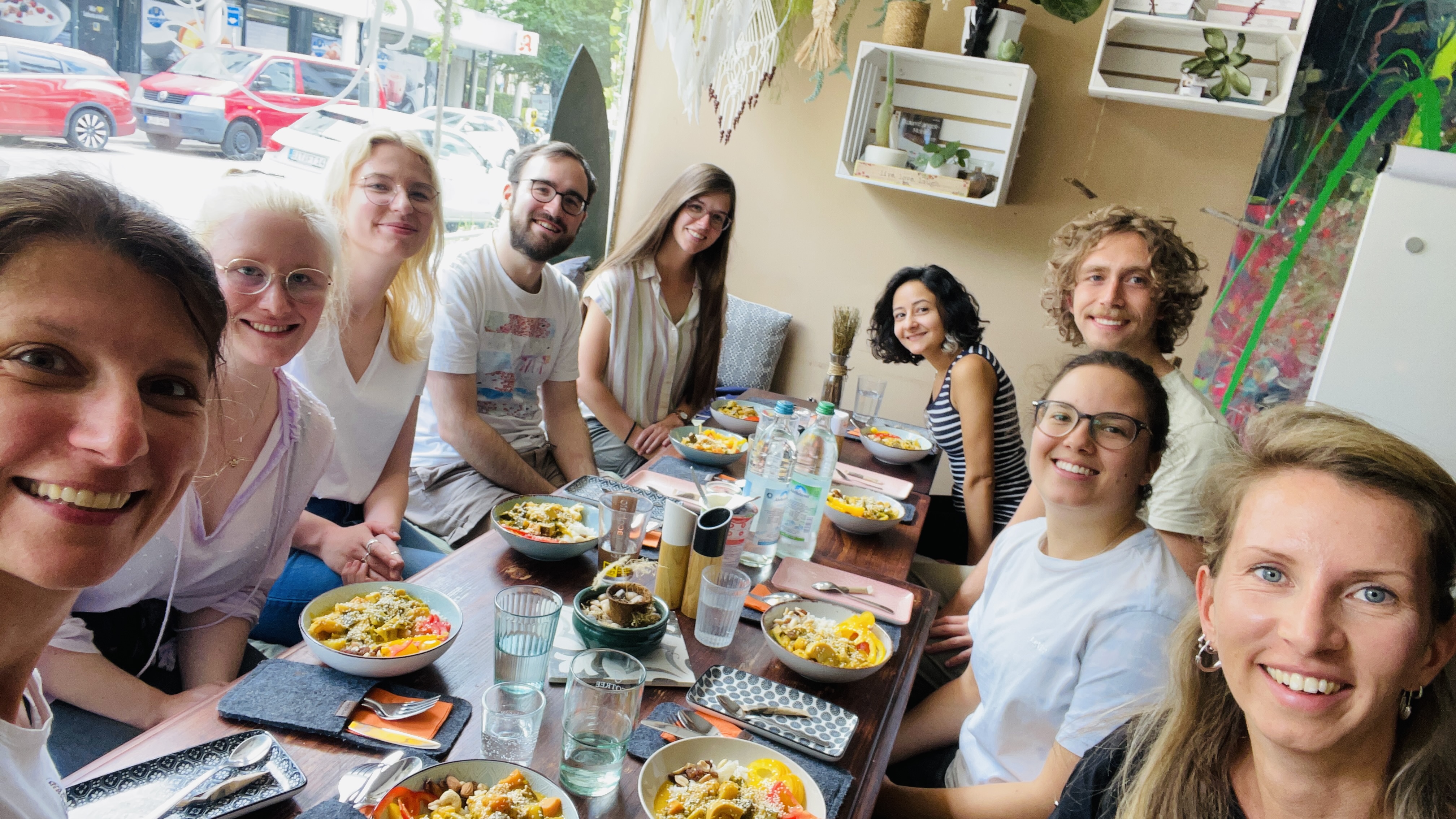
Threaded through all of these achievements is a quieter story of culture: people showing up for each other in the lab, at seminars and conferences, and in zoom and slack channels across time zones. Another year of weekly lab meetings, journal clubs, supervision sessions, the many international collaborator meetings late at night or at the crack of dawn, our hallway discussions and coffees. These might not make headlines, but they are the scaffolding that holds everything else together. This year, those structures allowed students and postdocs to take brave steps, giving their first international talks, travelling to new countries for training and learning, engaging with our international network or telling their science to a room of strangers in black-tie. Our lab family is always firmly in every member’s corner.

So as the bow draws back again at the end of 2025, it feels less like tension and more like gathering potential energy. Whatever direction the arrow flies next year, it will be propelled by the collective effort, courage and kindness of this remarkable group of humans in the MINDS Lab, and that is something worth celebrating.

From our “lab” family to you and yours, Happy Holidays and may the New Year feel happy and light.
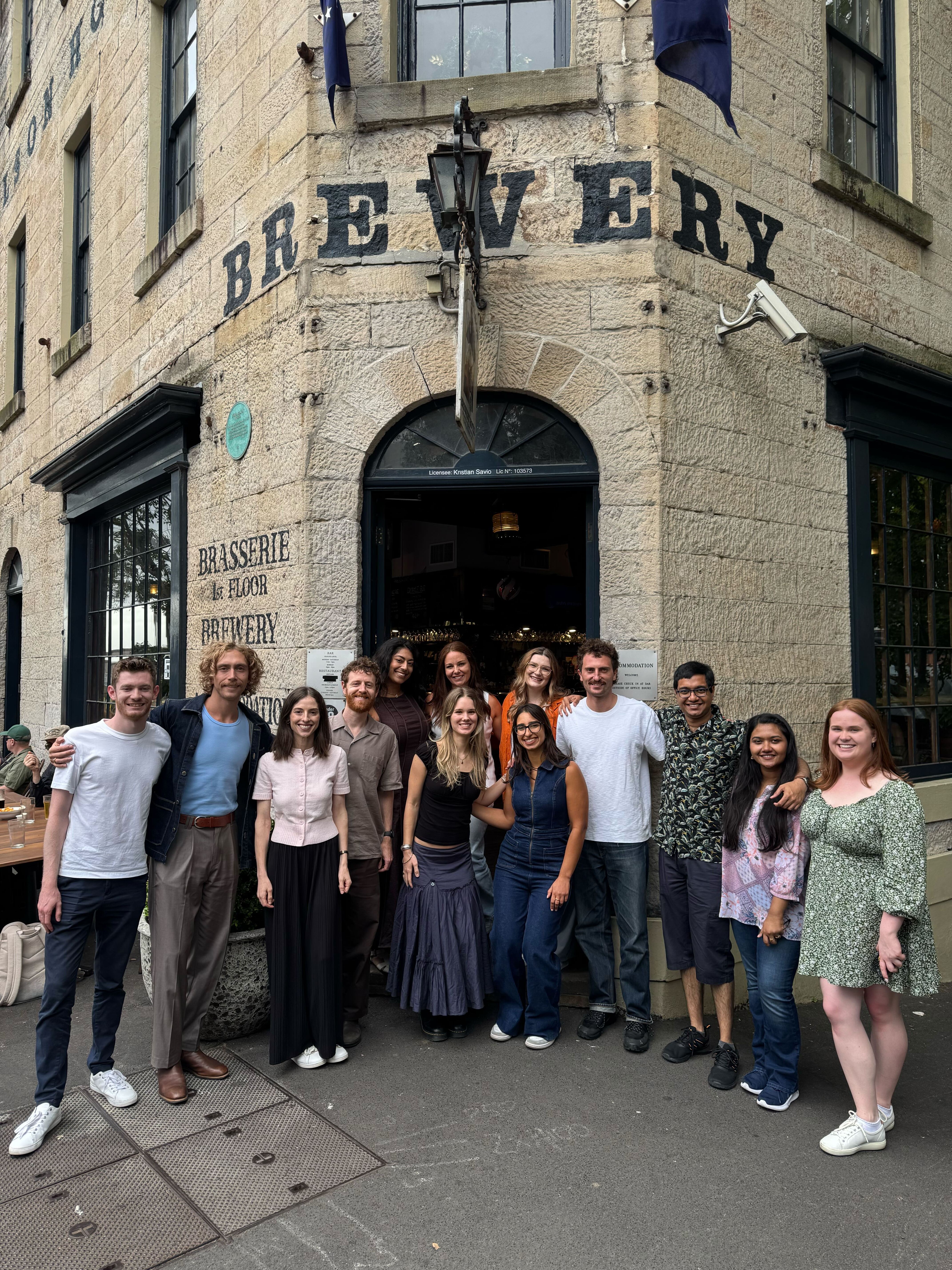
Some MINDS Lab Highlights

  • Dominic’s PhD thesis selected for publication in the Journal & Proceedings of the Royal Society of NSW.
  • Jooya Kalantar and Sonia Hoang were awarded Class I Honours.
  • PhD student Tamim Ahsan received the President’s Special Commendation Diploma from the College of International Neuropsychopharmacology (CINP).
  • PhD students Amber Curry, Katrina Edmond and Tamim Ahsan were competitively selected for oral presentations at the CINP international conference.
  • Tamim also was selected for an oral presentation at the Australasian Neuroscience Society conference in Hobart, where our postdoc Dr. Lydia Hardowar presented a poster.
  • Drs Lydia Hardowar and Sophie Debs were the first in Australia to establish the 10x Genomics Visium HD 3’ platform. Their resulting images were selected to be included in the Millenium Sciences APAC Visium HD 3′ Art Gallery: Canvas of Life’s Spatial Beauty program.
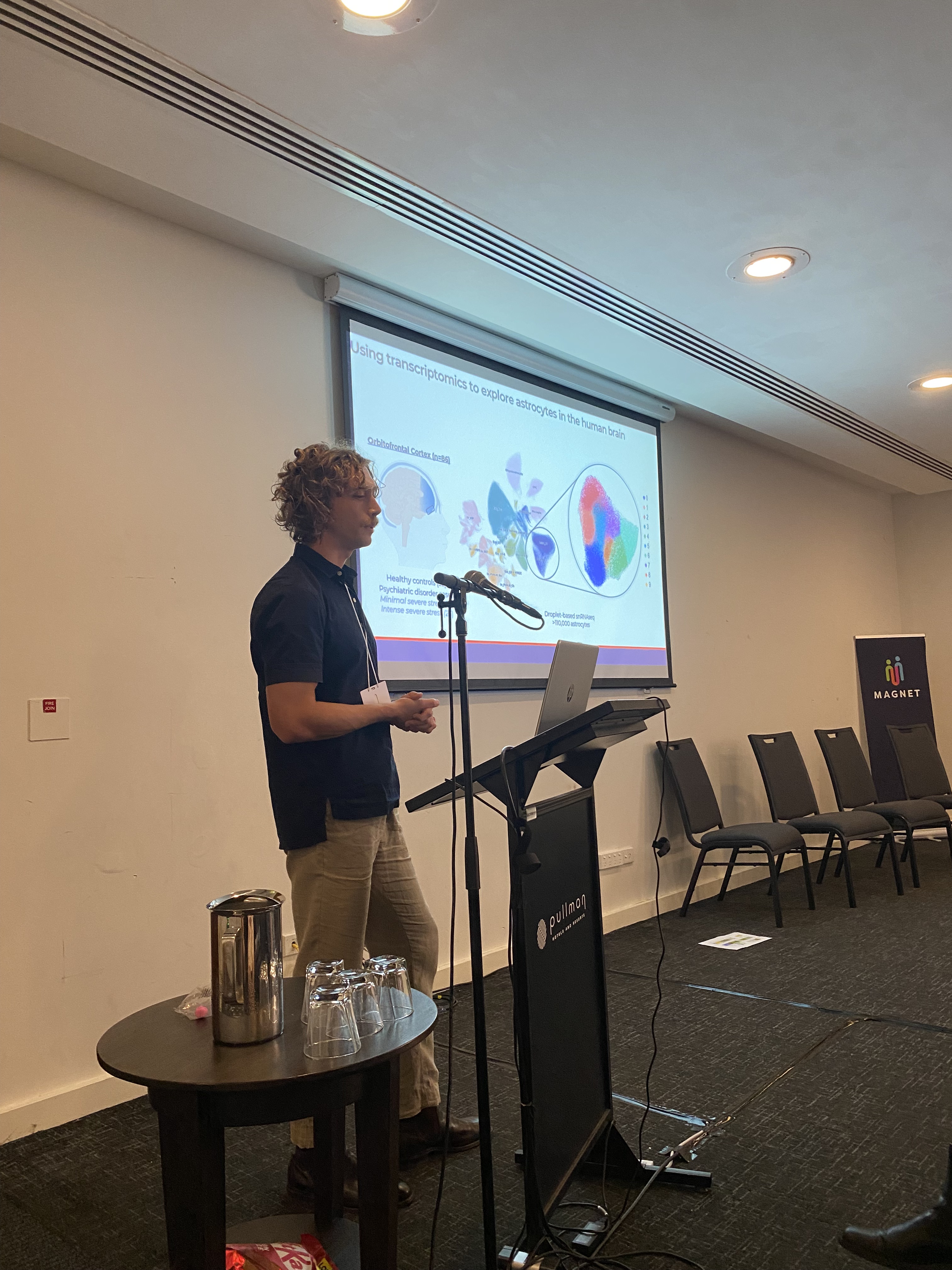
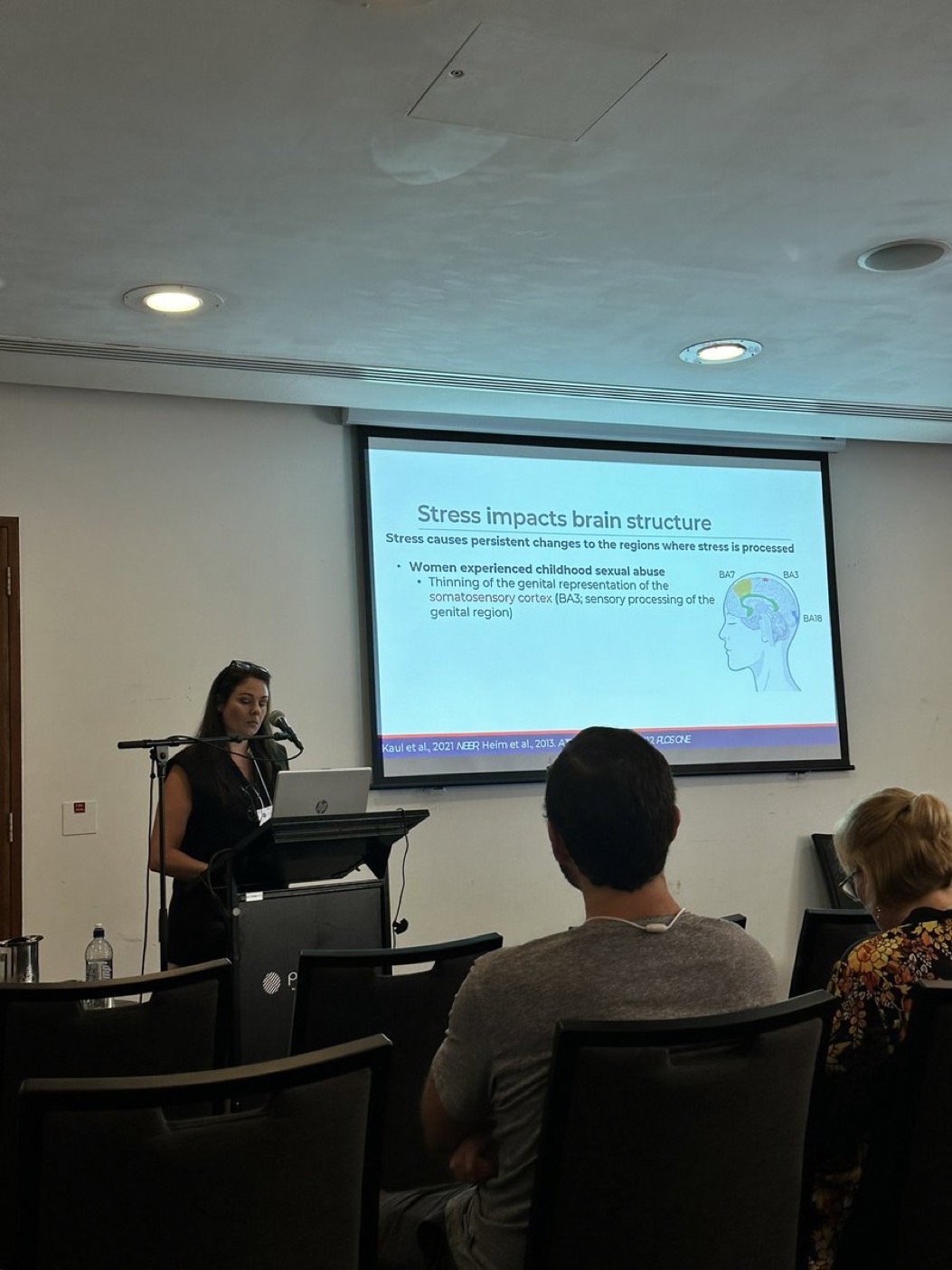
  • PhD student Katrina Edmond won Best Data Blitz (PhD category) at the Sydney School of Medical Sciences Neuroscience EMCR Data Blitz.
  • Postdoc Dr Sophie Debs received EMCR Travel Funding from the Charles Perkins Centre to undertake an internship at the Lieber Institute for Brain Development, with Katrina.
  • Natalie was awarded the Aubrey Lewis Award from Biological Psychiatry Australia, and commenced as Vice President of the Society in October.

2025 Publications:

  • Kaul D, Curry AR, Gerstner N, Fröhlich AS, Krontira AC, Kyrousi C, Smith CC, Sutherland GT, Dottori M, Ziller MJ, Chatzinakos C, Daskalakis NP, Cappello S, Czamara D, Binder EB, Cruceanu C, Knauer-Arloth J, Mechawar N, Schwab SG, Ooi L, Matosin N. Astrocytic glutamate regulation is shaped by adversity and glucocorticoid signalling. BioRxiv, 2025.
  • Edmond KZ†, Kaul D†, Yusupov N† (†joint first-author), Rao R, Jaffe AE, Kleinman JE, Weinberger DR, Hyde TM, Czamara D, Binder EB*,Matosin N*(joint senior-author). Age-Dependent DNA Methylation changes at FKBP5 enhancer sites drive increased gene expression in schizophrenia. BioRxiv, 2025.
  • Debs S and Matosin N. Unlocking the Molecular Secrets of the Human Habenula. American Journal of Psychiatry 182(11), 960-962, 2025 [IF=15]
  • Edmond KZ, Matosin N. Expanding our understanding of (mal)adapted stress physiology in psychiatric disorders: achieving single-cell characterisation of steroids and neuropeptides. Neurobiology of Stress 100739, 2025 [IF 4.3].
  • Worf K† & Matosin N† (†joint first-author), Gerstner N, Fröhlich AS, Koller A, Degenhardt F, Thiele H, Rietschel M, Udawela M, Scarr E, Dean B, Theis FJ, Knauer-Arloth J†, Mueller NS†. Exon-Variant Interplay and Multi-Modal Evidence Identify Endocrine Dysregulation in Severe Psychiatric Disorders Impacting Excitatory Neurons. †equal contributions. Translational Psychiatry 15 (1), 153 [IF=5.8]
  • Gerstner N, Froelich AS, Matosin N, Gigliardi M, Cruceanu C, Koedel M, Rex-Haffner M, Tu X, Mostafavi S, Ziller M, Binder EB, Knauer-Arloth J. Contrasting genetic predisposition and diagnosis in psychiatric disorders: a multi-omic single-nucleus analysis of the human OFC. Science Advances 11,eadq2290, 2025. [IF=11.1]
  • Hill RA, Bastawy EM, Berk M, Brown RM, Burne TH, Chesworth R, Clark SR, Clemens KJ, Cui X, Dunn AL, Eratne D, Foldi CJ, Gatt JM, Gubert C, Gurvich C, Hannan AJ, Harms L, Hill-Yardin EL, Jaehne EJ, Jawahar MC, Jones NC, Kang M, Karl T, Kesby JP, Kim JH, Lawrence AJ, Macpherson H, Manning EE, Matosin N, Namipashaki A, Nithianantharajah J, Pantelis C, Perry CJ, Petty AE, Purves-Tyson TD, Renoir T, Sarnyai Z, Shaam al abed A, Spark D, Toben C, Todd J, Tye SJ, Weston-Green K, Walder K, Sundram S. Of mice, molecules and mental health: Establishment of the Consortium for Preclinical Psychiatric Research to find solutions to the translational gap in psychiatric research. Accepted 3/10/2025, Molecular Psychiatry. [IF=10.1]
The 2024 Wrap-Up

I have this bow and arrow analogy that I think about often when going through stages of resistance and inertia. The concept is that while it feels frustrating, being pulled back is the crucial precursor needed to subsequently fly forward.

2024 was a year exemplified by the bow and arrow. In January I started employment at The University of Sydney and set off on the significant task of moving our biomedical research lab 80km north. My full-time occupation was overrun by admin: coordinating legal, finance, HR, ethics and grant agencies to transfer funding, clinical samples, contents of the lab, ethics approvals and to recruit new staff and students. I made a strategic decision to focus on re-establishing our existing programs in the new location and hopped off the grant hamster wheel for a season; which was a weird and scary experience but mentors reassured us that we should trust the process. In hindsight, I think we made the right decision. With significant help from our grad student and then research assistant Dominic, we dug in and were back up and running efficiently virtually within 6 months. The pullback period was largely over.

Our new home, the Charles Perkins Centre aka the cruise ship

Despite the disruption, we’ve had a blast this year weaving ourselves into the fabric of The University of Sydney. Within a highly supportive school and institute, we’ve very much enjoyed merging with the university network and joining a group of brilliant scientists and great humans. I’m also privileged to be part of the Sydney Horizon Fellows group and getting to know the Fellows better over the year. The program has been well run and is providing invaluable training, networking and collaboration opportunities, both personally but also trickling down to our team members with more of the organised events being opened to the Fellows’ entire research groups.

Sydney Horizon Fellows retreat, October in the Hawkesbury River

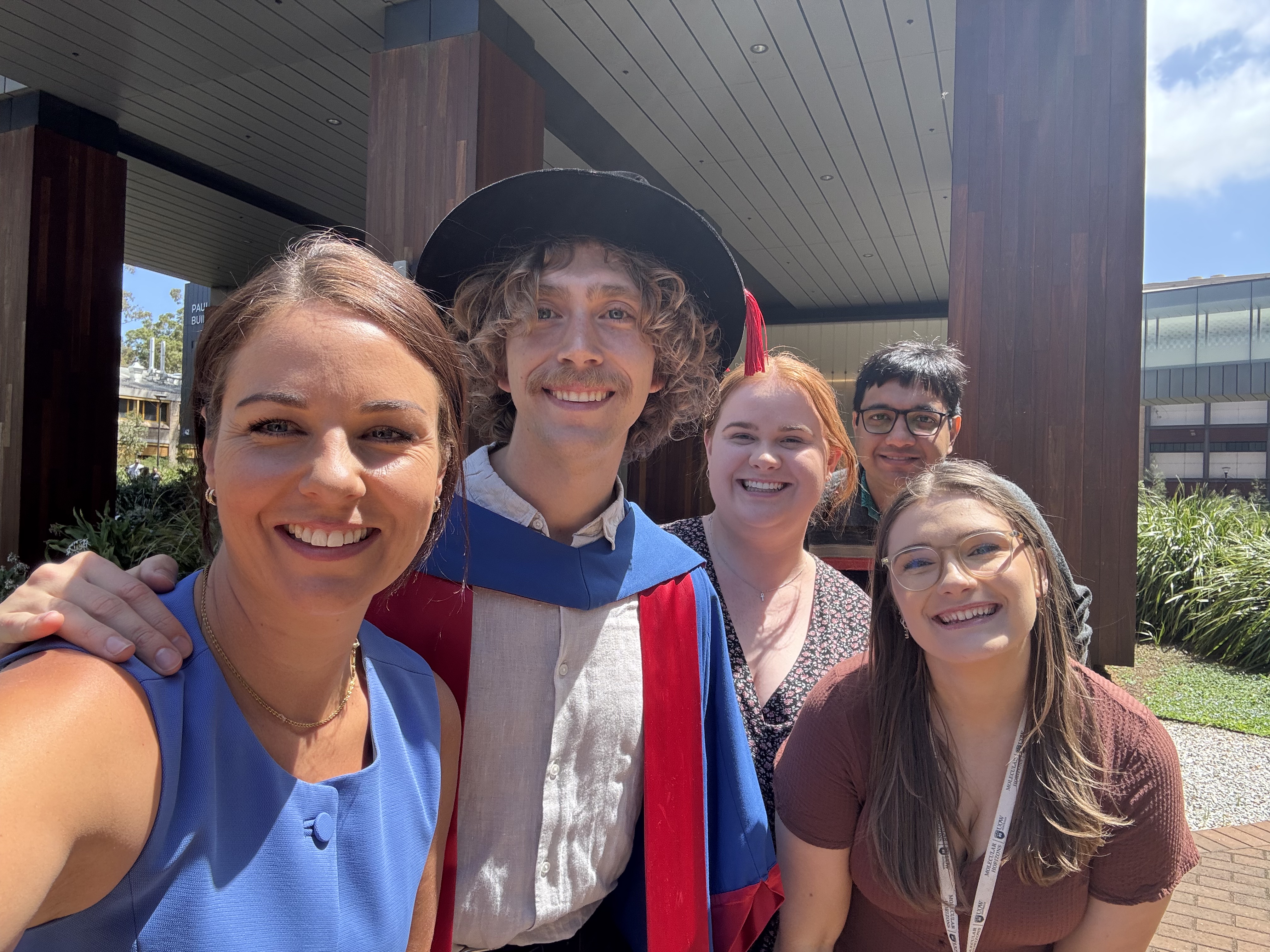
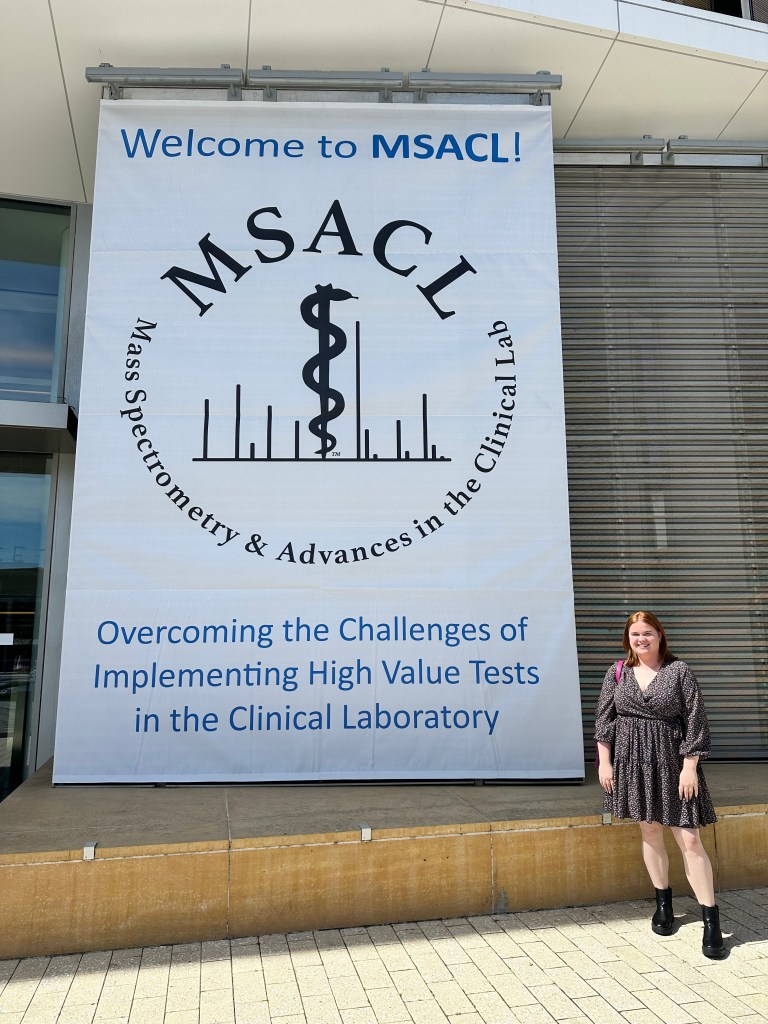
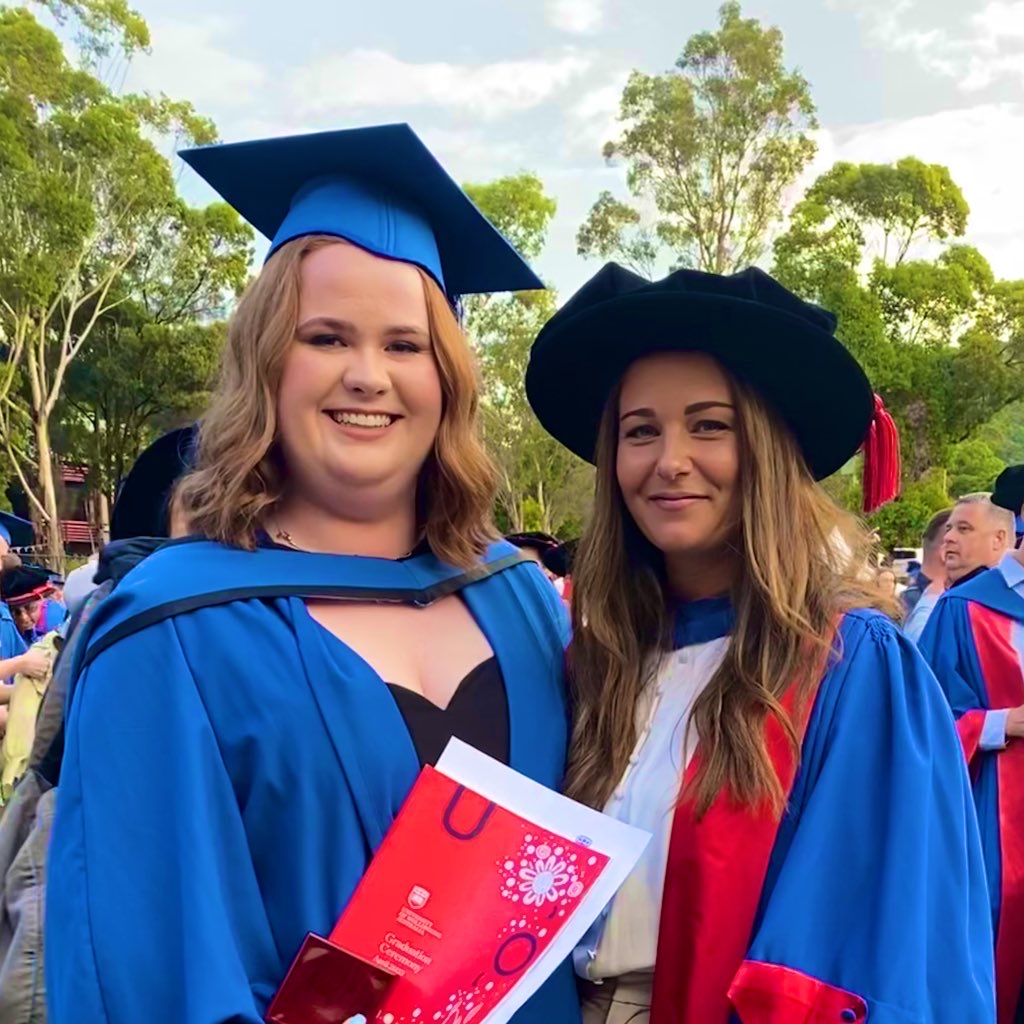
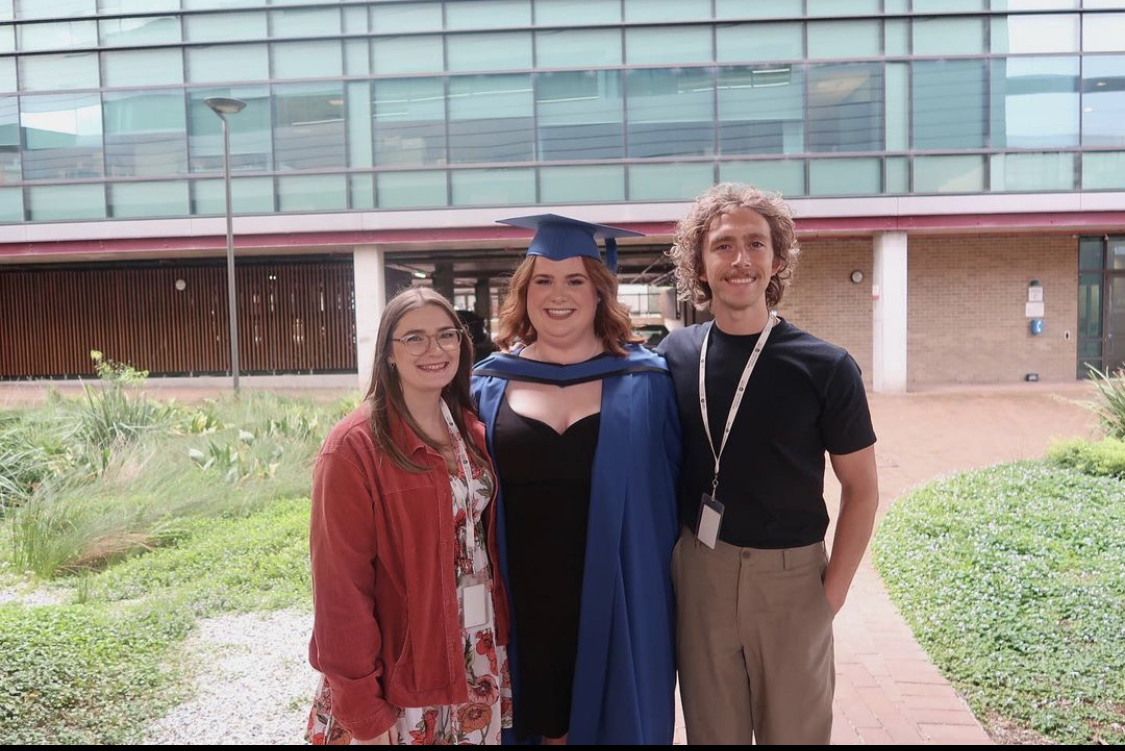
The existing MINDS Lab members (Dominic, Amber, Tamim and Katrina) were absolute champions in traversing the transition and faced the year with grace and a hunger for new opportunity. Amber kicked off the year with a new publication in the journal Stress. Katrina was awarded an international Spatial Mass Spectrometry Trainee Educational Grant from Mass Spectrometry and Advances in the Clinical Lab and presented at the organisation’s conference in California. Dr. Dominic Kaul graduated from his PhD with an Examiner’s Commendation. His body of work can be found here and we look forward to seeing it published next year. We are very proud of all Dominic achieved during his time with us and are grateful for all he contributed to our group. While he is missed, we love watching his new career evolve as a biostatistician with NSW State Health.

Dom’s graduation with the UOW-based team, left to right: Natalie, Dominic, Katrina, Tamim and Amber

I had the honour of sharing Dominic’s work over Nov-Dec at the University of Melbourne’s Neuropsychiatry Centre and the Monash Institute of Pharmaceutical Sciences, the Australasian Neuroscience Society meeting in Perth and the American College of Neuropsychopharmacology conference in Arizona. We’ve had great excitement and feedback on the work. What I’m finding most exciting about our lab’s current research direction is the ability to begin to define, with high precision, new [molecularly and anatomically defined] populations of human brain cell types that we previously didn’t know existed. With our recent grants and our new programs underway examining large cohorts of human brain samples, I strongly believe in the potential of our spatial multi-omics experimental approaches for fundamental discovery. I’m pumped to see how far we can push these new technologies to better define the cellular and molecular landscape of the human brain, its relevance to other species, and subsequently how it changes in disease. This work is being led by Tamim, Katrina and Amber but we are really taking a whole lab approach with everyone involved.
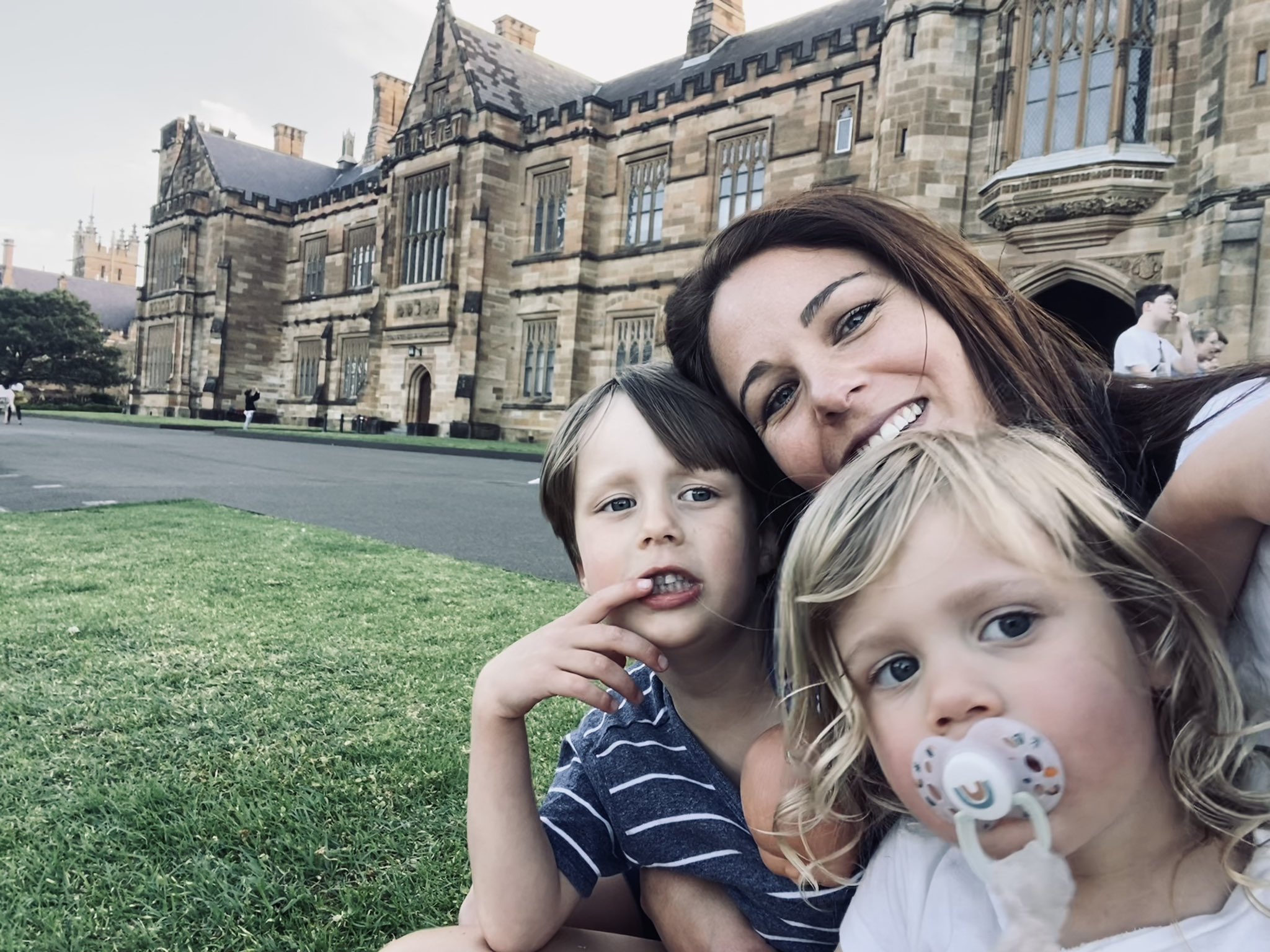
A.W. Campbell Medal Lecture at the Australasian Neuroscience Society Conference, Perth

We’ve also been delighted to expand our team, with the addition of postdocs Dr. Lydia Hardowar and Dr. Sophie Debs and our Honours students Jooya Kalantar (since mid 2024) and Sonia Hoang (commencing in 2025). Lydia and Sophie have really taken the bull by the horns with both their projects as well as their leadership within our lab. I’ve been impressed with how they’re fostering a positive lab culture and finishing off the lab set-up since Dominic passed the baton. What a great feeling (and relief) to see things competently ticking along with speed. It has also been fantastic to see our clinical refugee trauma project kick off again with the NSW Refugee Support Service STARTTS who have been working hard to recruit participants to our clinical program. TRIP (The Trauma and Refugee Intervention Project) aims to understand biological intergenerational transmission of stress and trauma. I co-lead this program with Prof Sibylle Schwab at the University of Wollongong, and we have a growing number of clinical samples to send for epigenetic screening in 2025.

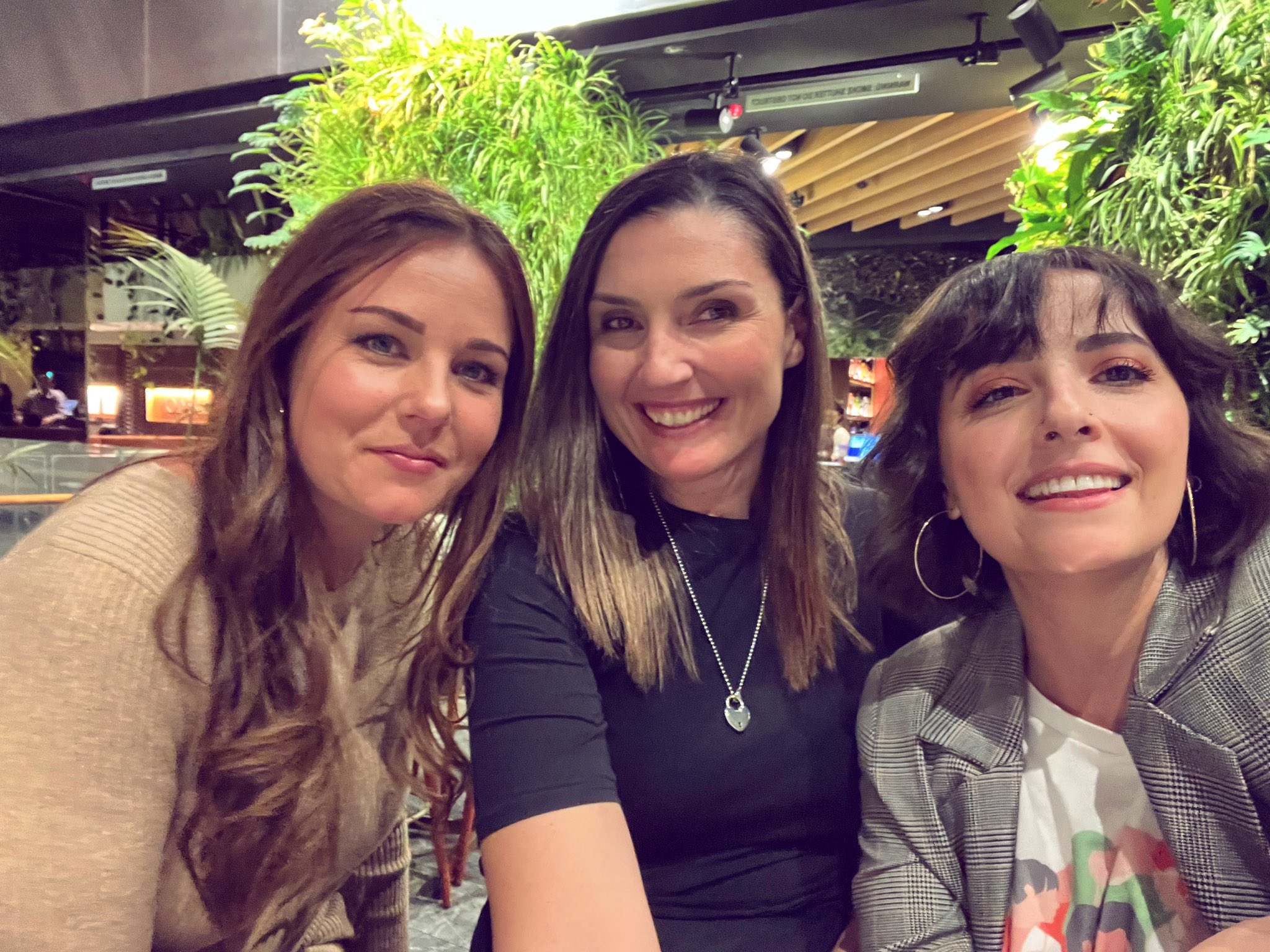
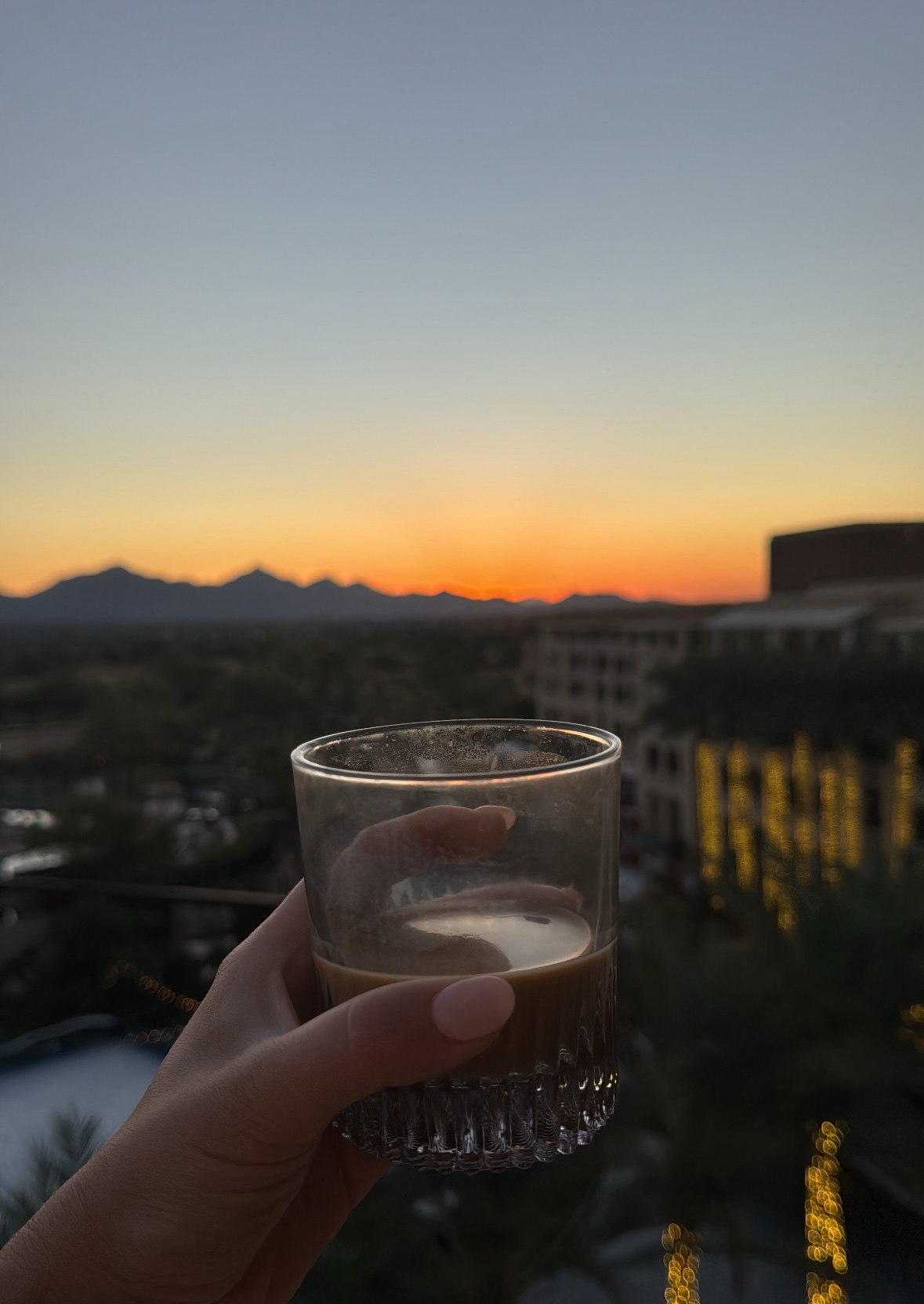
The end of the year was nothing short of chaotic with conference season. We kicked off with Biological Psychiatry Australia in Sydney which I co-chaired with Dr. Christina Perry and supported by a highly capable Local Organising Committee. This was a ~200-delegate conference with no formal support by conference organisers, so we had our work cut out for us. It was a great experience and very grateful to lean on Christina and President, Dr. Tertia Pyrves-Tyson, who are experienced conference organisers. Also a big thanks to our lab for stepping in and helping with the organisation. The lab did a great job presenting their work both in Sydney and at the Australasian Neuroscience Society Conference shortly after in Perth, where I also received the A.W. Campbell Medal. After a few days rest at home, I was back off to Pheonix, Arizona for the conference of the American College of Neuropsychopharmacology (banner photo at the start of the post) where I was inducted into the college as an Associate Member. These international recognitions represent the collective hard work of our lab members past and present, and guidance by many mentors, which has altogether been much greater than the sum of its parts and I am deeply thankful to each of them.

The last significant thing I’d like to mention from this year was the development of NeSTED. NeSTED is an international research network with the aim of understanding the effects of stress and trauma during critical developmental periods. The network is composed of research groups from Stockholm, Reykjavik, Munich and us in Sydney, with different complementary disciplines, ranging from preclinical to clinical and epidemiological research. This group was borne out of our time at the Max Planck Institute of Psychiatry in Munich, where the group leaders were once postdocs together. Our vision for the network is to foster international collaboration between our groups and also to create an international training environment for our lab members, including exchanges between our groups – we already have a training grant for this from the International Brain Research Organisation. This year we met in person in February in Berlin and Stockholm, developed our website, and since we have expanded the group to include Dr. Janine Knauer-Arloth and also hosted our inaugural virtual symposium which will run quarterly. We already have several group projects together and I’m excited to see where this takes us in 2025.

I’d like to end with a huge thanks to all our lab members, collaborators, mentors and research partners who have supported us throughout the year and have been patient while we moved. I’m looking forward to a long rest over the summer before flying forward into 2025 🏹. Merry Christmas and Happy New Year to those that celebrate, and Happy Holidays to all ✨ 

MINDS Lab 2024, back: Jooya, Natalie, Lydia, Dominic, Katrina, Tamim; front: Amber and Sophie

Mid-2024 update, and join our team!

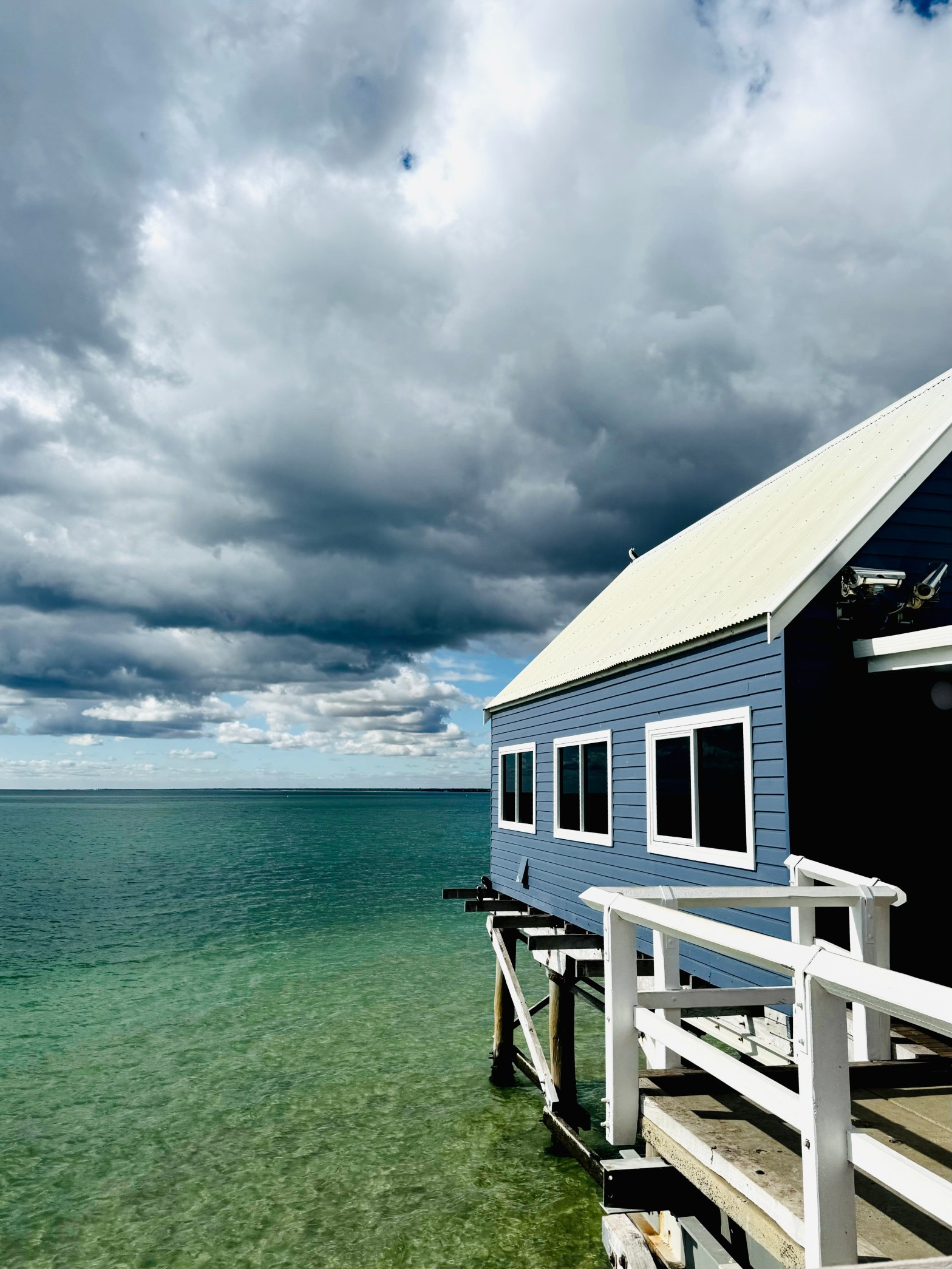
We are almost half way through 2024, and while we have been quiet on the interwebs, we certainly have not been quiet behind the scenes. I’ve been steadily making progress on the admin side of moving our lab to the University of Sydney (with a quick family escape to the Margaret River of Western Australia for an offline rest: picture above from the Busselton Jetty). While I’m feeling more like a corporate project manager than a scientist lately, this inertia period due to the move is gradually coming to a close, and the rest of the group have been busy keeping the research cogs turning.

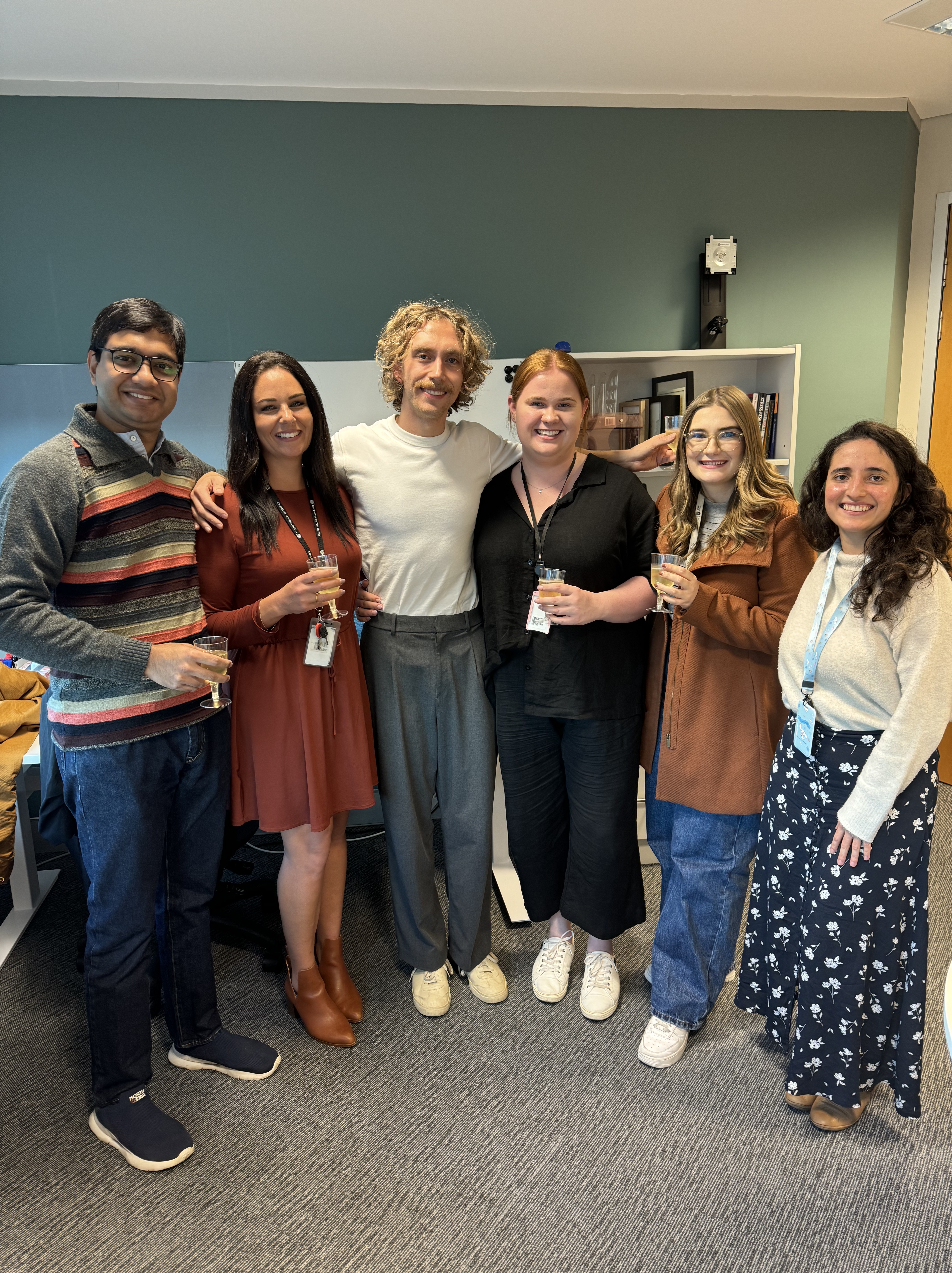
Excitingly, our “oldest” lab member Dominic has submitted his PhD thesis and given his final seminar. We are eagerly awaiting to hear back from his thesis examiners and to submit his final work for publication (stress, astrocytes and psychopathology preprint appearing within the next 1-2 weeks!). In the meantime, Dom has been working with us in a research assistant role helping transfer all our processes to USYD (essentially being my lab manager/PA/earth angel). We have been celebrating every milestone with champagne and we are excited for Dom as he launches into the next stage of his career in a few months.

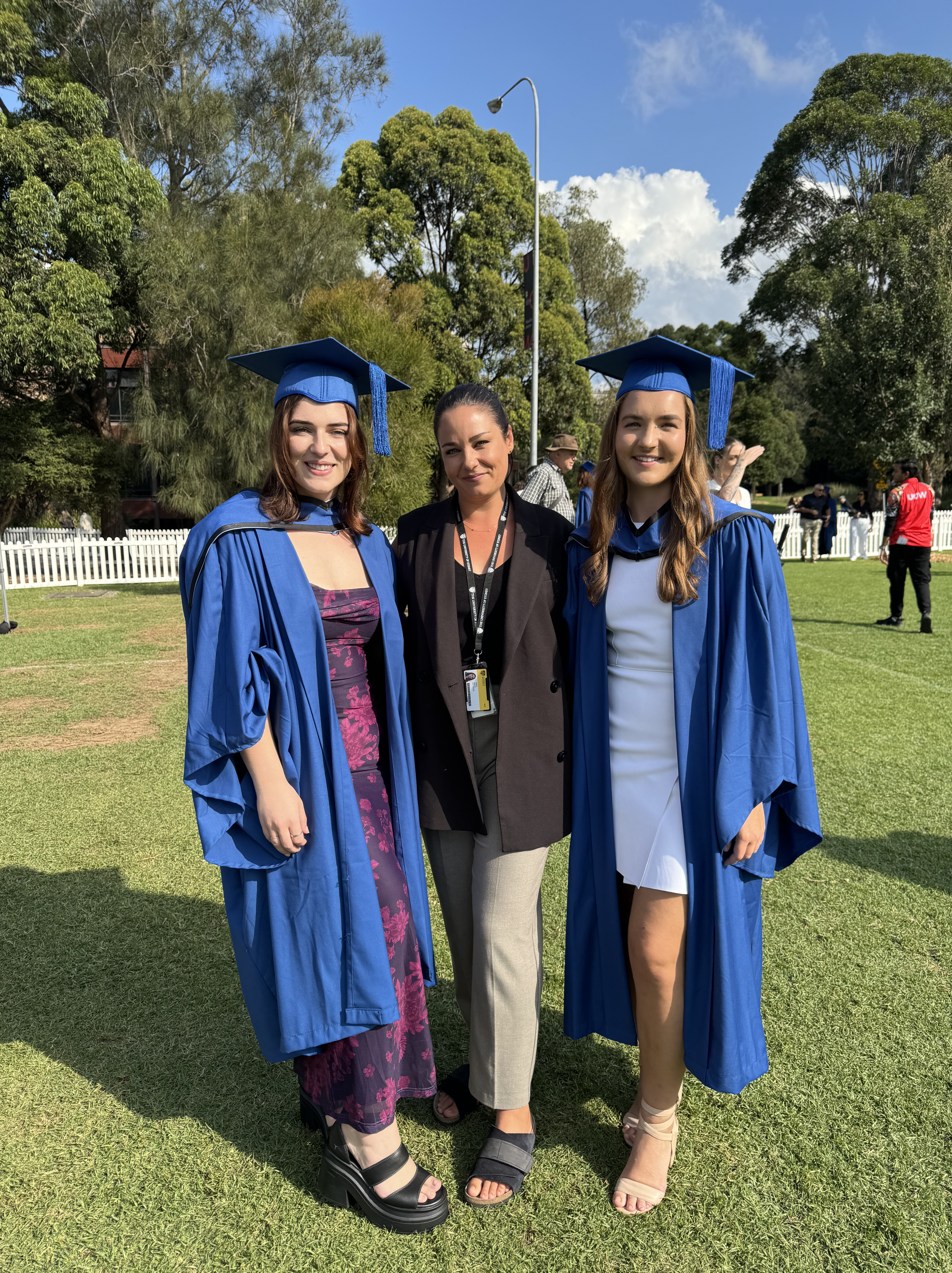
In April we celebrated the graduations of Amelia and Adrianna, our 2023 Honours students who were both awarded a well deserved Honours Class 1. It was great to catch up with Amelia who is now attending Med School at the University of Wollongong, and Adrianna who is working in a hospital pathology lab, while making moves to undertake a career in genetic counselling. Both are doing extremely well and we are very proud to have been a step in their journey.

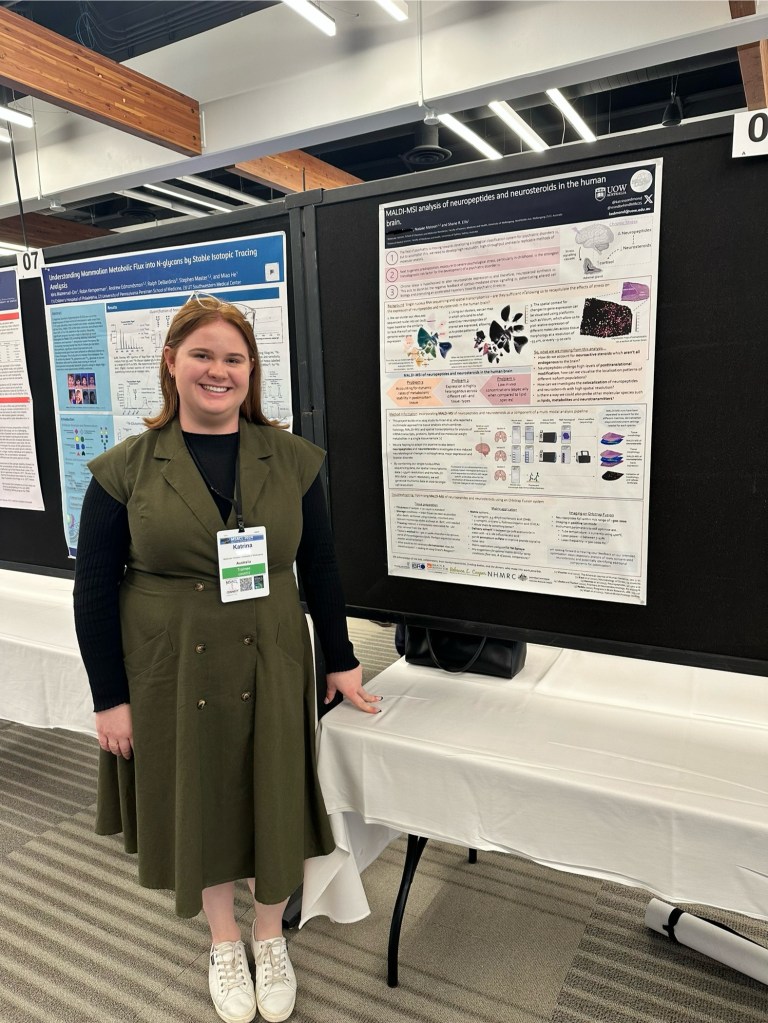
We have also had some work-related travel happening in our group, with our PhD student Katrina representing our lab in March at the Mass Spectrometry & Advances in the Clinical Lab conference in California. Katrina attended the conference and workshops learning about all things MALDI for the imaging of neurosteroids and peptides in brain tissue, as well as analysis. She did a great job representing our lab with leaders in this field. Just prior to this in February, I travelled to the National Institute of Health in Berlin for for an ERA-NET NEURON workshop regarding our recent NHMRC-NEURON Consortia grant. The workshop was great, we were briefed in the intricacies of managing the consortia including data management and thinking critically about best use of the funding for optimal scientific outcomes. Immediately after, it was an absolute pleasure to visit the Cruceanu and Lopez Labs at the Karolinska Institute in Stockholm as part of our NeSTED consortium’s inaugural meeting. We are now busy planning our next online symposia happening in September and very much looking forward to the scientific outputs of this.

On the research front, we are excited to welcome our first USYD student to our lab next semester; Jooya Kalantar will completing his Honours thesis on understanding how stress impacts the blood brain barrier. It’s also been wonderful to have some long-term projects out as publications. First of all, our PhD student Amber has celebrated the milestone of publishing her first first-author publication, and most importantly, received our lab tradition of her publication mug! We have also had several publications accepted by our co-supervised PhD student Helena in Lezanne Ooi’s lab at the University of Wollongong, Sophie in Naguib Mechawar’s Lab at McGill University, and our colleagues Anna and Natan in Elisabeth Binder’s Lab at the Max Planck Institute of Psychiatry in Munich:

In BIG news, we are very excited to be expanding our team, with recruitment for two postdoctoral scientists underway. Applications are opened for four weeks, closing June 27. These are fully funded three year positions providing training in cutting-edge single-cell and spatial omics technologies and their analysis, and entry into our global network in the fields of stress and psychiatric illness. If interested in joining our shenanigans, see our “Work with us” page for more information and how to apply.

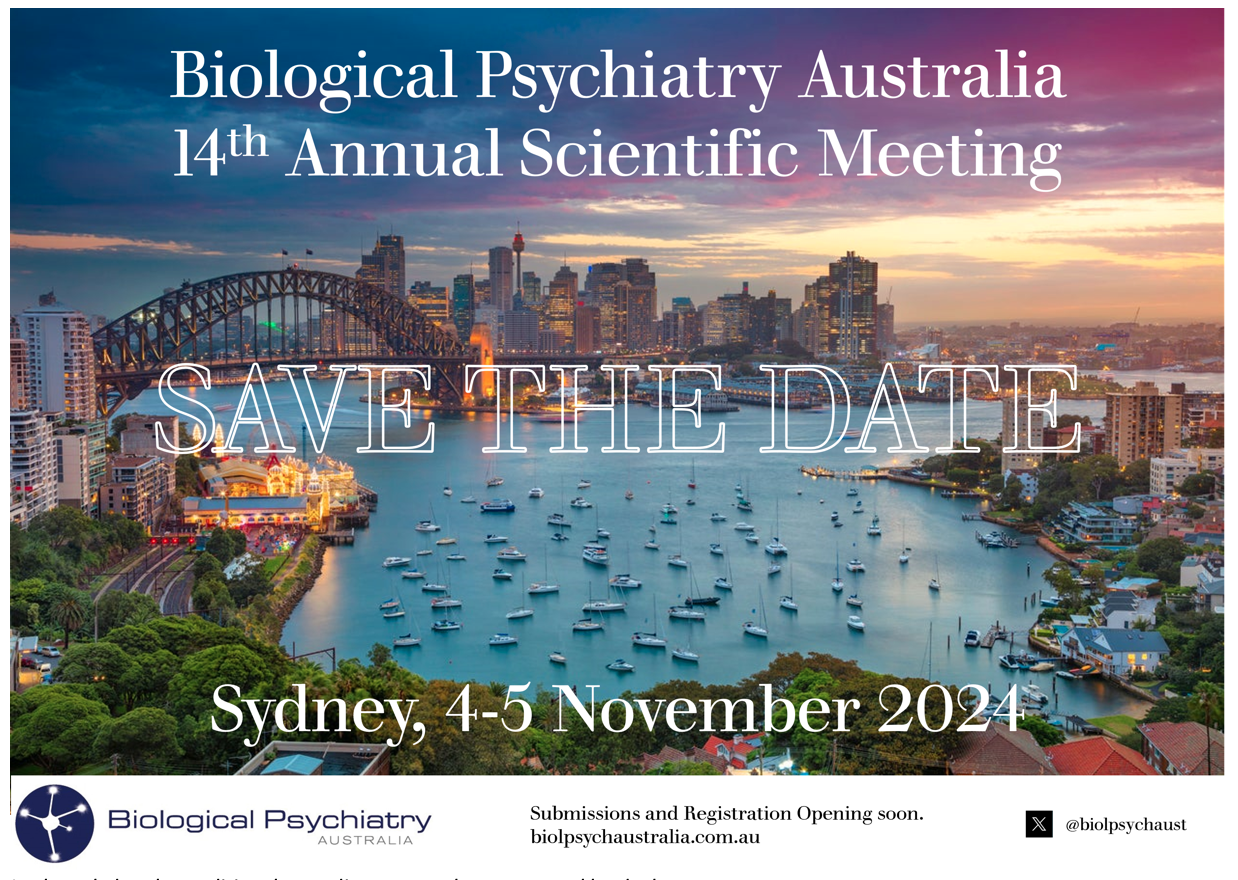
Last of all, this year I have been co-chair with Dr Christina Perry of the local organising committee for the Biological Psychiatry Australia conference happening in Sydney on the 3-5 November 2024. We are carefully curating an engaging program for BPA this year with a broad scope of talks, social events, and plenty of time and space for posters and networking. The conference is occurring back-to-back with the Society for Mental Health Research (SMHR) conference, presenting a great opportunity to couple the conferences and get your neuroscience and mental health research fix all at once. If you have any questions about the conference feel free to reach out. General abstract submissions will be opening soon, and we hope to see everyone there!

Exciting hellos mean sad goodbyes. Thanks, 2023.

If I had to describe 2023 in a single word, I would have to say rollercoaster. 2023 has truly been a year of the highest highs and the lowest lows for the members of the MINDS Lab. Among them I suffered a major back injury which has put me largely out of action since June. Despite some challenging times for all of us personally and professionally, I am so proud of our group and how they band together always, but especially when it counts. They are so much more than the sum of their parts; they are the engine room and the heart. Our lab members are what makes the MINDS Lab a special place and the work worthwhile, and oh, do they bring the fun. I am sure this collective atmosphere is what carries us through tough times to when we can reap the rewards of hard work. I am so grateful for each of them.

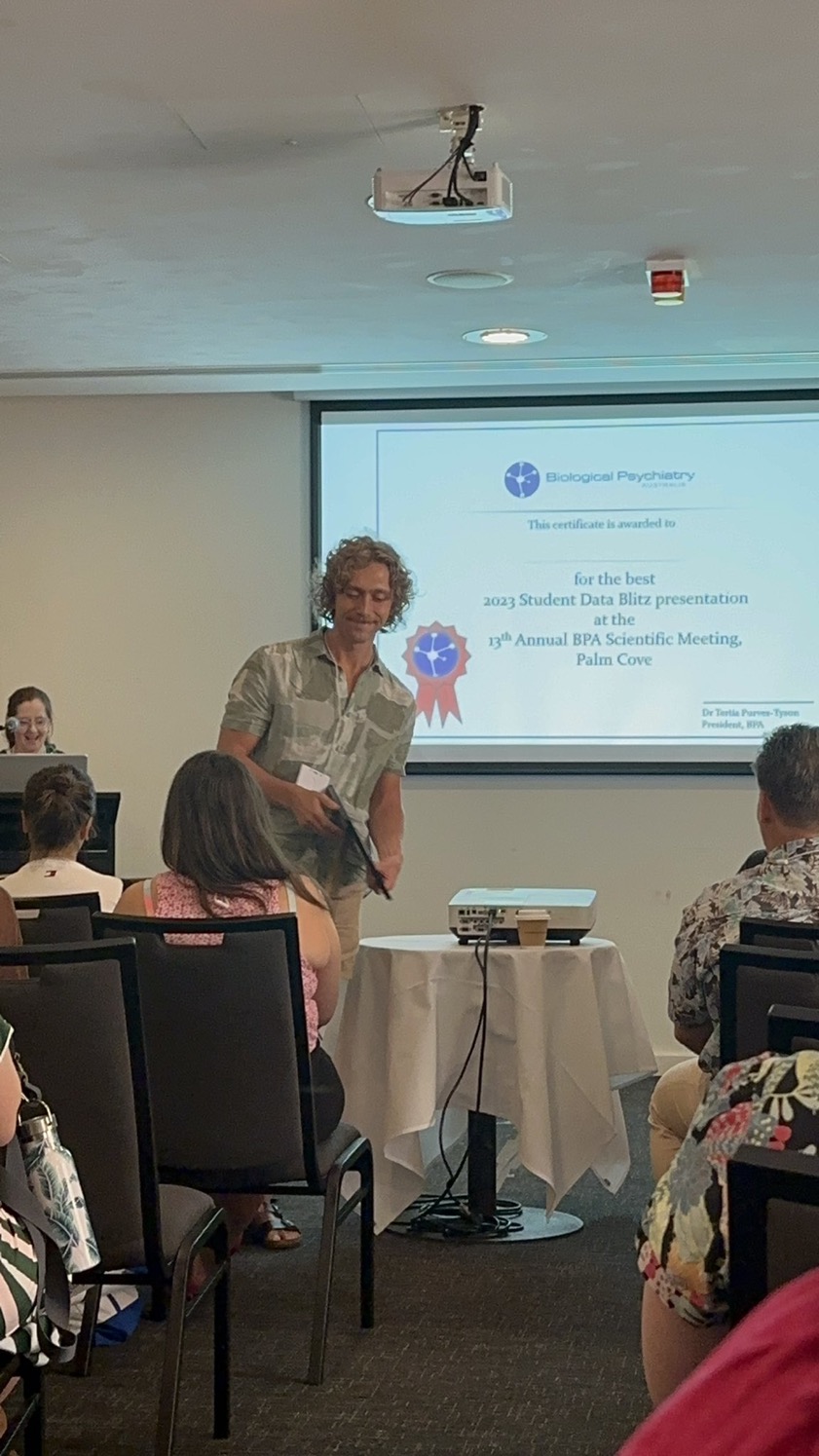
The MINDS Lab students have had some exceptional wins this year, a testament to their resilience and resourcefulness. It was such a pleasure to see Katrina being awarded the University Medal and delivering the Vote of Thanks at her graduation ceremony. Dominic took home the best student talk prize at the Biological Psychiatry Australia meeting, and Amber delivered a brilliant poster presentation that drew a huge crowd of interested attendees. Dominic also represented the lab at the Australian Neuroscience Society meeting by being selected to give a presentation from his abstract. Our Honours students Adrianna (cosupervised by Amber) and Amelia (cosupervised by Dom) did an outstanding job with their theses, both being awarded a first class honours. I have to give a special thanks to Amber and Dominic who really stepped up with supporting the Honours students while I was injured; just another example of how our team always keeps the cogs turning. We are also so proud of Amelia for achieving her dream of getting into med school, and look forward to watching Adrianna’s career as a genetic counsellor unfold. And lastly, we welcomed Tamim to our group as a new PhD student. Tamim is already hitting the ground running and become a staple of the MINDS Lab, working collaboratively on many projects.

Despite the knock on effects of our challenges for the lab and our productivity, we have had some significant successes that deserve celebrating, and maybe its even a little bit sweeter because of the extra barriers we had to overcome.

The biggest news is that I have been awarded a Sydney Horizon Fellowship to move our lab to the University of Sydney from January 8. These were 40 highly competitive continuing positions for researchers focused on addressing global issues with multidisciplinary research focused on climate change, sustainability and health. The scheme is also comprised of mentoring and training to develop the Fellows, so this is a very exciting opportunity not only because of the substantial resourcing that comes with the fellowships, but also the career development opportunities. It’s been five years since the humble beginnings of the MINDS Lab and I’m very excited to see what we can do with this new opportunity, especially job security (meaning we can take some calculated risks), and the substantial network at USYD and resourcing. I am most excited by being part of a framework that encourages multi/interdisciplinary research to solve some major global challenges.

Of course taking this new opportunity means saying goodbye to all our friends and colleagues at the University of Wollongong, and this is truly bitter sweet. The University of Wollongong will always be a special place for me. I’m looking forward to staying in touch with all our friends and continuing our many collaborations.

Second big news is that we were successful in securing a consortia grant through by the Network of European Funding for Neuroscience Research (ERA-NET NEURON), which supports basic and translational research in the diverse fields of disease-related neuroscience. The grant provides us with 1,250,000€ (2.1M AUD, $1.2M AUD to us via NHMRC) to deeply phenotype the insular cortex in a large postmortem brain cohort of major depression and PTSD subjects with early life stress. Our team includes Elisabeth Binder (Max Planck Institute of Psychiatry), Rosa Karlic (University of Zagreb) and Shane Ellis (University of Wollongong), and our collaborators Thomas Hyde and Joel Kleinman (Leiber Institute for Brain Development). It was a mammoth effort to get this in while laid up, and couldn’t have done it without the team. Still a bit traumatised by trying to calculate currency conversions while in pain late at night; very grateful for Shane who came to the rescue. The insular cortex is a fascinating brain area, and we are developing new molecular analyses techniques to study it, so altogether a very exciting program and the whole team is eager to see what we will find.

With our new funding comes the opportunity to expand our team, and I am looking forward to having two postdocs and a lab manager join us in 2024. Keep an eye out on our Twitter accounts and lab website for more job ads in the first quarter of 2024.

I was also honoured to be invited to deliver the opening plenary at the Society of Western Australian Neuroscience (SWAN) meeting in November in Perth, and present our lab’s work in a substantial way for the first time. Loved Perth and it was wonderful to hear about all the neuroscience happening on the west coast. I was also honoured and surprised to have received the Young Alumni Award from UOW. This was a great honour in light of the foundation that UOW has provided for my career. I’m also very grateful this year to have been a top five finalist for the International USERN Prize for Medical Sciences, and a finalist for both the NSW Premier’s Prize and the L’Oreal FWIS Fellowship. While I may not have been the winner, I am still proud to have our research being viewed amongst the top ranks.

It wouldn’t feel right to close out 2023 without acknowledging the loss of our friend and mentor, Prof Justin Yerbury. Before Justin passed he gave me some brain slice coasters which are hanging on my office pinboard, and I think of him often when I look up from my work. Whether this was his intention or not, they bring to me strength and resilience as I remember how he traversed the stress that comes from depending on fellowships, as well as the disability caused by motor neuron disease. Justin guided me through difficult professional times, despite fighting his own battles, and had an uncanny way of finding the silver lining. These conversations with Justin planted the seed for me to seek my own job security, and Justin’s strength and determination will always inspire me and be a gift from my time at UOW that I take forward to USYD.

Looking back I am humbled by what we have achieved with modest resourcing and some serious setbacks, and I know that with this new chapter will come incredible possibility, and most importantly, important discoveries.

From myself and on behalf of the MINDS Lab, Merry Christmas to those that celebrate, Happy New Year and happy holidays to all. Natalie ✨

MINDS Lab update, August 2023

Somehow we are edging towards the end of 2023 already, with the days getting longer and the sun shining over us in beautiful Wollongong. The MINDS Lab has been a busy hive of research activities.

This month we have welcomed a new team member and PhD student, Tamim Ahsan. Tamim is from Dhaka, Bangladesh, and has a background in Genetic Engineering, Biotechnology and Marine Sciences. He has an outstanding track record already with 18+ peer reviewed publications. More recently Tamim has been working as a Scientific Officer at the National Institute of Biotechnology, Bangladesh. In the MINDS Lab, Tamim will be working on a computational biology project developing new ways to analyse single cell and spatial omics data with our collaborator Dr Janine Knauer-Arloth at the Max Planck Institute of Psychiatry, Munich. We are so excited to have Tamim join us and can’t wait to see what he achieves next – powered by the world’s best coffee, of course 😉

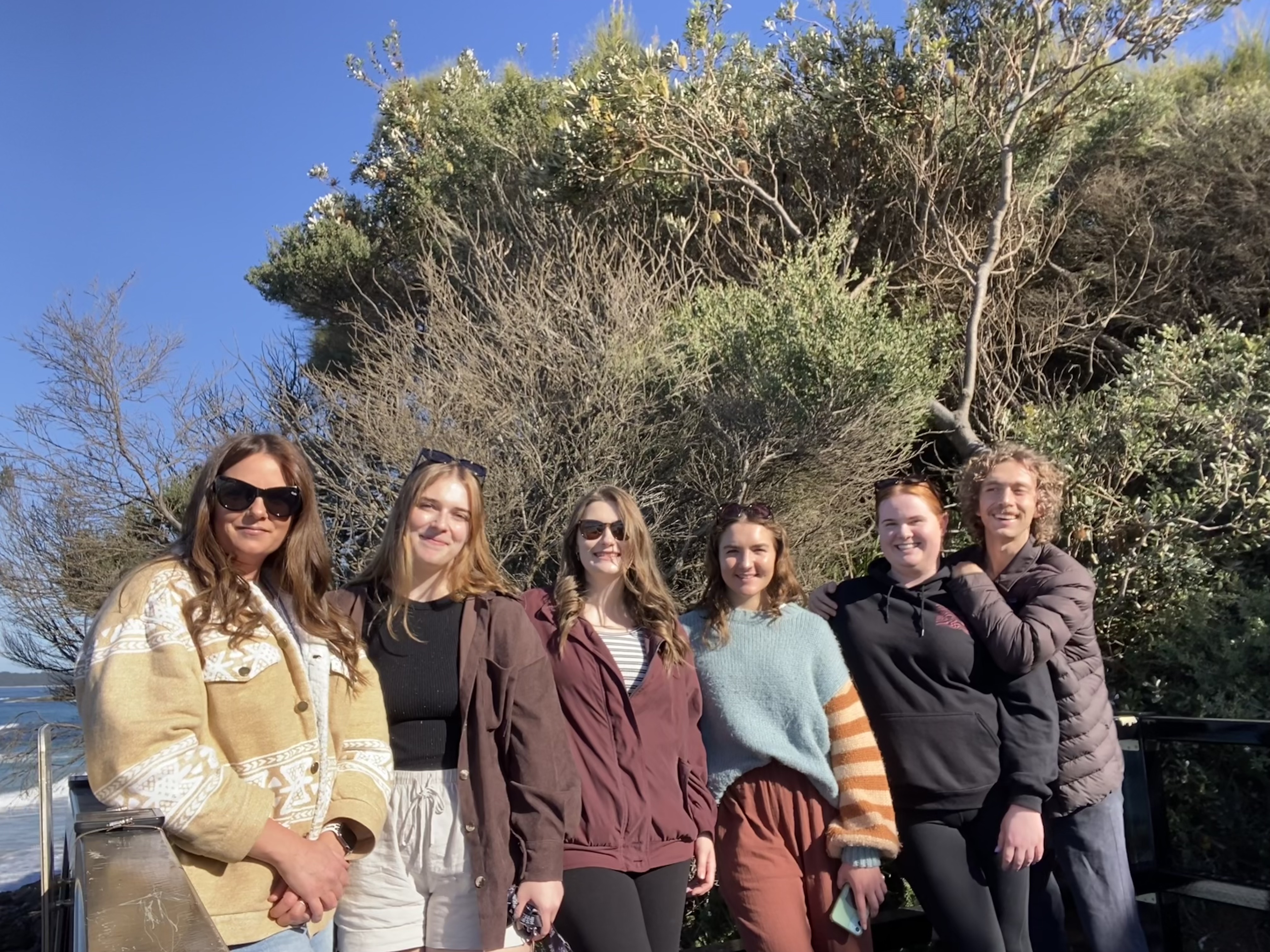
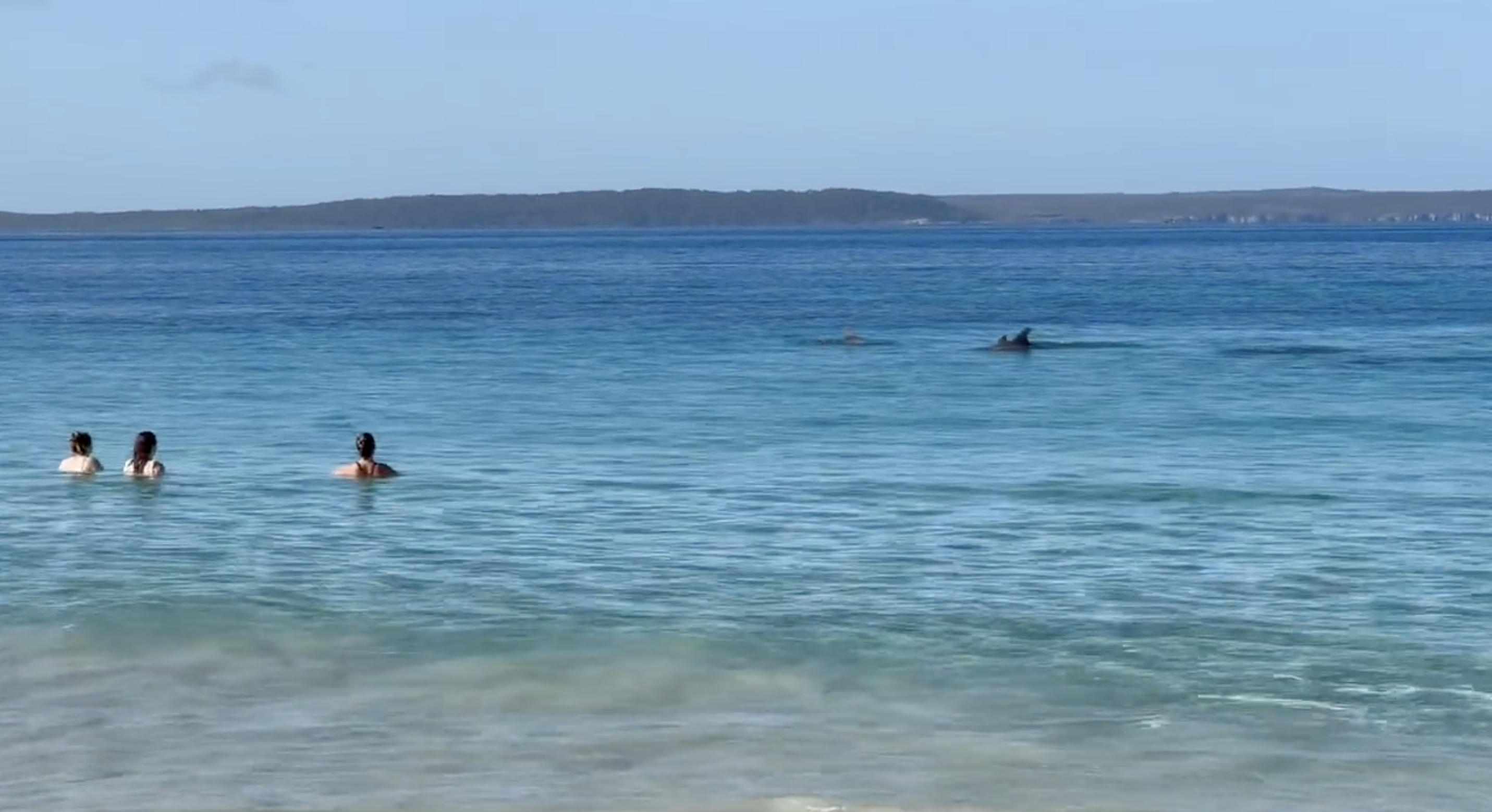
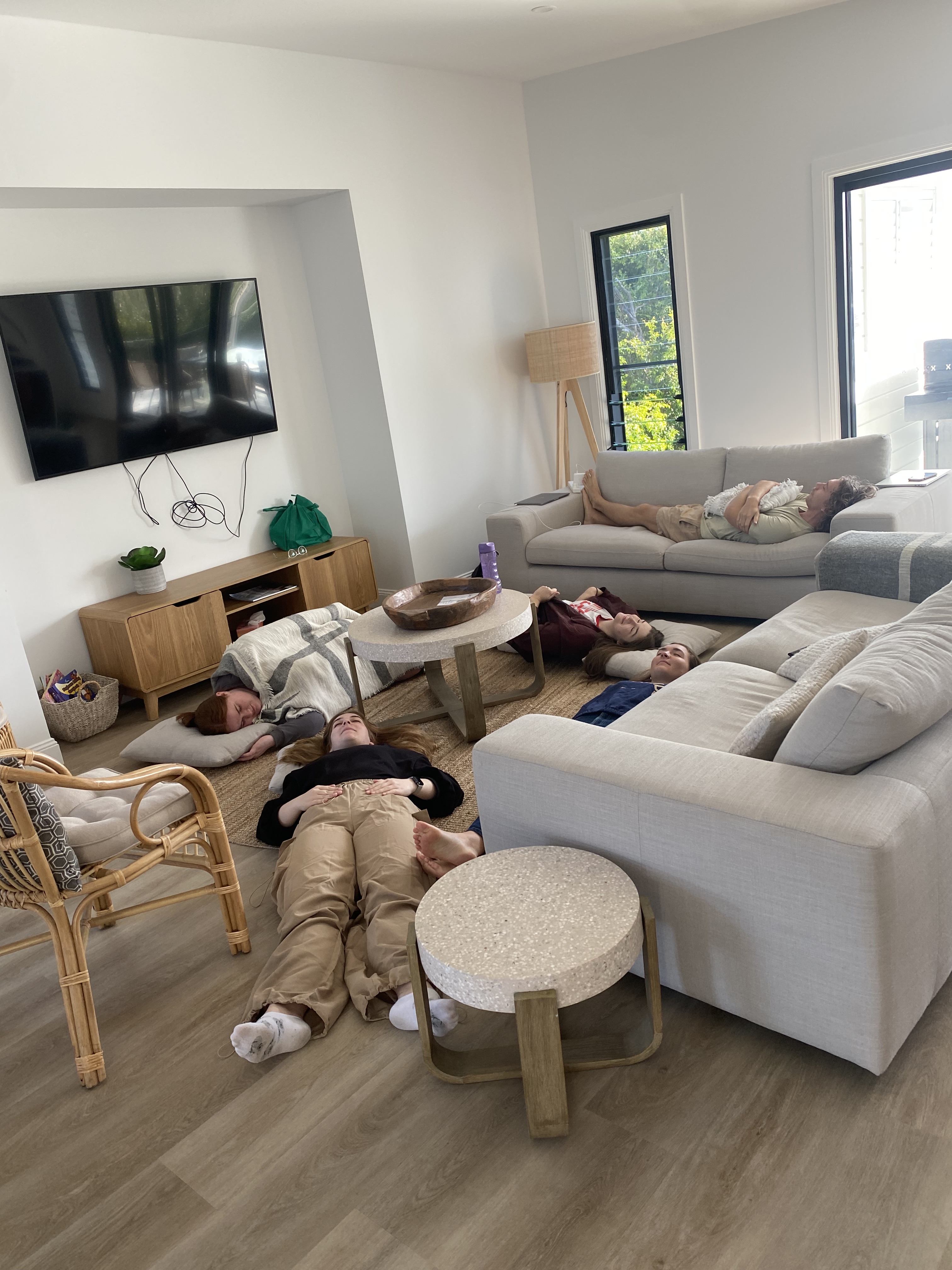
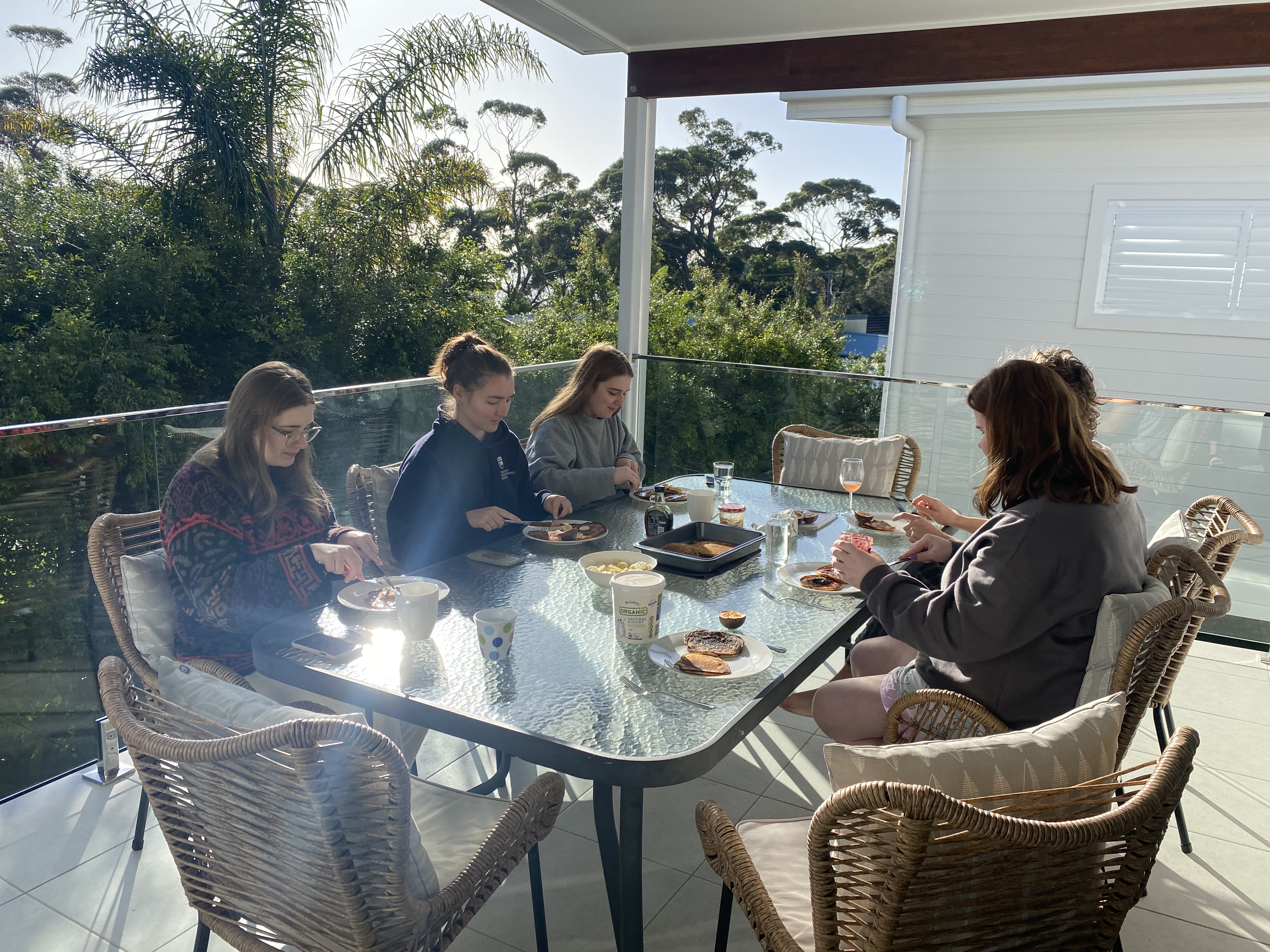
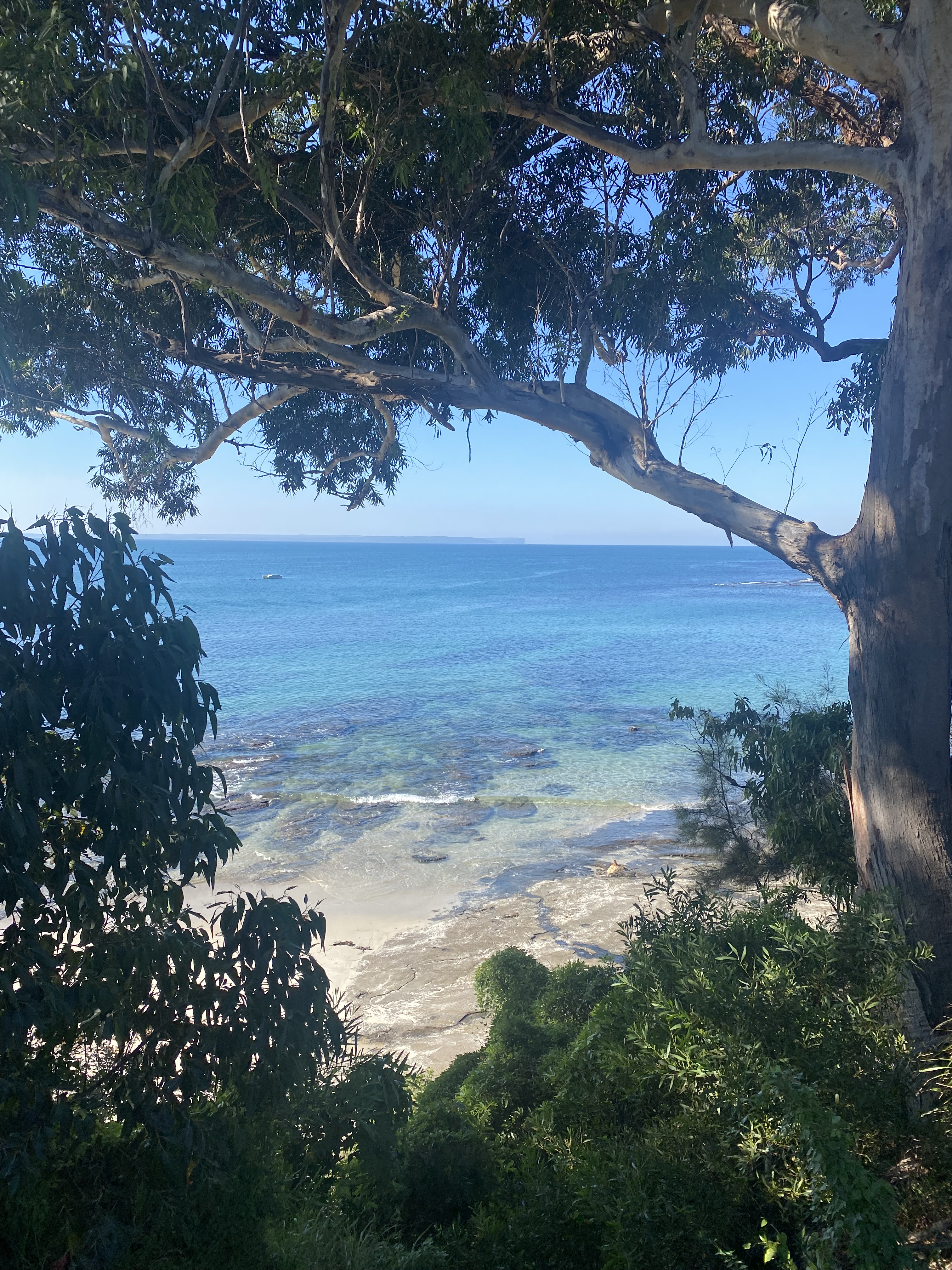
Back in May, we also held our inaugural lab retreat in Jervis Bay, on the NSW South Coast. Surrounded by some of the most beautiful beaches in the world, we took a deep dive into our lab activities to figure out what we are doing well, how we can improve, and where we are going as a group. It was a wonderful experience for team bonding (meditation, beach walks, science jewellery making, shared meals), getting on the same page with our projects, organisation of our group, and carving out our future directions as a team. For me the highlight was being joined by a pod of dolphins on our late-autumn swim! Overall the retreat was a huge success and something I hope to hold annually. Particularly helpful was this anonymous survey so that we could constructively find ways to improve. I also recommend this article for ideas on planning the retreat.

As someone who has received international training, I am passionate about facilitating overseas training experiences for my students whenever possible. Dr Cristiana Cruceanu (Karolinska Institute) and myself were fortunate to be recently awarded an IBRO Collaborative Research Grant to facilitate a trainee exchange. This enabled our PhD student Dominic Kaul to travel abroad in June/July to visit Dr Cruceanu and Dr Juan Pablo Lopez’s labs at the Karolinska, as well as being hosted for a few weeks by Dr Janine Knauer-Arloth at the Max Planck of Psychiatry. Immersion in these labs, bioinformatics training and collaborative research opportunities was an invaluable experience for Dominic. Thank you IBRO for enabling this exchange to facilitate Dominic’s training as well as the links our lab has with our overseas collaborators.

The other members of our lab have been doing an exceptional job on their projects, with our Honours students Amelia and Adrianna now finished all their Honours assessments and are edging ever so quickly towards their thesis completion.

Our PhD student Amber has been uncovering some exciting results regarding how stress impacts on the human hippocampus, and Katrina is developing a new technique combining spatial transcriptomics and proteomics. Both attended the 10x Genomics Sydney User Group event at the Garvan, and Dominic also represented our lab at our Faculty Research Symposium, presenting his data on how stress impacts astrocytes in psychopathology.

On another happy note, I was surprised and honoured to find out I’ve been nominated for the UOW Young Alumni Award as well as the international USERN Prize in Biological Sciences (shortlisted as one of 10 in the category from 90,000 scientists overall). Thanks to my mentors who nominated me for the former, and to everyone that voted for me for the USERN Prize. Outcomes for both will be announced later this year.

Finally, on World Suicide Prevention Day (Sept 10), the MINDS Lab are walking 9km in Out of the Shadows to support Lifeline’s suicide prevention services and help Australians in crisis. Please donate now and support our walk (and research) to save lives.

Our lab is proud to continue supporting Lifeline, a national 24 hour crisis support and suicide service for which our PhD student Katrina volunteers every Friday. We have recently also fundraised for Lifeline via the Push-up Challenge, partly with an international effort from the Dolomites! Well done, Dominic and the MINDS Lab!

See you for our end of year summary in a few months! Busy busy busy times ahead.

– Natalie

Launching in 2023, & welcome to our new student cohort

We are already closing out almost the second month of 2023, and the first week of the new session with our new cohort of students. It shocked me to calculate that in April, we are ticking over 5 years since starting the MINDS lab. I am proud of all we have achieved in the face of challenges and career disruptions, particularly our ongoing resourcefulness and productivity, possible only because of the excellent calibre of our students. I am convinced only good things are coming in 2023.

We are delighted to have our new PhD student, Katrina Edmond join us after a successful Honours year, as well as our new Honours students Adrianna Brittain and Amelia Davis. I had the pleasure to teach Adrianna and Amelia as undergrads last year. Katrina will be doing her PhD on the topic of amygdala, stress and neurogenesis, Adrianna will be focusing on microglia, and Amelia is honing in on blood brain barrier abnormalities, all in the context of stress and mental illness. We are looking forward to our new bioinformatics PhD student, Tamim Ahsan, joining us mid-year all the way from Dhaka, to work on our single cell and spatial omics projects.

Over the course of 2022, most of our lab worked in some way towards completion of a major project which we finally saw published a few weeks ago in Acta Neuropathologica. Our paper explores the cell-type specific expression patterns of a stress-regulated gene, FKBP5, in the postmortem neocortex and how it is altered across major psychiatric disorders. Our results suggest that maybe FKBP51 targeting drugs could be developed to improve cognition in schizophrenia, and perhaps specifically in older patients. A huge thank you to Katrina and Dominic especially, whose Honours theses comprised a substantial chunk of the journal revisions, and also our many collaborators who made the work possible. We are all really glad to see it published.

We have big plans for 2023, including the launch of our adult hippocampal neurogenesis project recently funded by an ARC DP Grant, with our research partners at the Lieber Institute for Brain Development, Johns Hopkins University (USA), McGill University (Canada) and the Max Planck Institute of Psychiatry (Germany). We will be advertising shortly for a new postdoc position, keep your eyes peeled. This is a really exciting project contributing to one of the most important questions in modern neuroscience: can the human brain birth new brain cells in adulthood?

We have also recommenced our trauma and refugee clinical project, in collaboration with Dr Shakeh Momartin at STARTTS and co-led with my UOW colleague Prof Sibylle Schwab. This project was put on ice during the pandemic lockdowns, so we are particularly excited to have the opportunity to kick it off again. You can read our publication on the refugee mental health here.

No doubt we will have some exciting updates throughout the year, which I always share in this space; we enjoy sharing what we are up to in the lab with others who would not normally have the opportunity to see it 😊

See ya 2022, and thank you

I’m signing off from 2022 on annual leave today. I’ve been proud and privileged to lead the MINDS Lab over the last year and to support our very talented trainees. We have had a fantastic year, and I want to share with you some of the highlights:

  • We got off to an interesting start as our lab grew by 50% and I returned from a year of maternity leave (where I was truly research-inactive with a newborn and 2 year old in lockdown). We found our rhythm in no time, although I won’t forget the out of body experience (particularly driving to work on my first day back and momentarily freaking out that there was no baby in the carseat)!
  • We received a $15,000 donation from Vax The Illawarra, a community event which has funded a key component of our mental health research.
  • Our PhD students, Dominic and Amber, accompanied me to the Biological Psychiatry Australia meeting, our first conference together. We road tripped and stayed together. We had a great time and I enjoyed introducing them to the many researchers in our field, something they hadn’t experienced yet due to the pandemic.
  • Dominic also published an article in the Journal of Neuroscience which contributes towards his PhD work, dissecting the effects of stress on astrocytes in mental illnesses.
  • We welcomed Sara, an undergraduate intern from the Netherlands into our lab for a semester. She was supervised by our PhD student Amber and got to experience the inner workings of our lab and postmortem brain research
  • Dominic and I attended the Australian Neuroscience Society meeting. Dominic gave a fantastic poster presentation that garnered a lot of interest. I was selected to give a talk about my work on FKBP5, which started with Elisabeth Binder at the Max Planck and was the subject of Katrina’s excellent (and huge) Honours thesis.
  • We participated in the 10x Genomics Spatial Pioneers Fellowship program and set up Visium in our lab. Huge shoutout to James Fraser from 10x for the in-person support, along with the whole team who have gone above and beyond, and Dominic and Amber for independently spearheading this work.

We have finished off the year with a bang, with Katrina and Jyi successfully completing Honours and both were awarded a Class 1. This is an outstanding effort from a highly dedicated year of work. I was also promoted to Senior Fellow. With this increasing seniority comes credibility to chase bigger hairy audacious goals for our program, and making a bigger scientific impact. This filters down to our trainees and the quality of their research experience, and for this I am truly thankful.

Going into 2023, I am absolutely thrilled that our lab has received a $635,000 Discovery Project grant from the Australian Research Council (ARC) to study human adult neurogenesis, the biggest grant awarded to our university. This is a true passion project, and having this work funded opens the doors for our lab to do bigger, better, and more impactful science.

We are also getting closer to the publication of two big papers, the first the FKBP5 postmortem brain work, and a very interesting paper I am co-leading with my colleagues at the Max Planck of Psychiatry and Helmholtz on risk-variant-exon-interplay. Excited to have these projects out into the wild.

In 2023, we will be joined by two new Honours students who I’ve had the pleasure to get to know through an undergraduate research project, and a new international PhD student joining us in the Spring. Stay tuned for the details in early 2023. We are also looking forward to recruiting a postdoc on our DP grant, so look out for the advertisement and share with your networks – especially those that have some NGS experience.

All these achievements would not be possible without the support of our lab members, mentors, colleagues, collaborators, brain banks, donors/their families, and funding bodies. Thank you for all you do to help us succeed and bring us closer to preventing the suffering caused by brain illnesses.

Our humble lab is growing into something incredibly exciting, and I can’t wait to take you along on the journey with us. Bring on 2023, we are so ready for it.

Happy and safe holidays to all

– Natalie

Class of 2022
MINDS Lab – Class of 2022. From left to right: Sara Banovska, Natalie Matosin, Katrina Edmond, Dominic Kaul, Amber Curry and Jyi Den Boogert.

New lab member – Sara

A big welcome to Sara Banovska who is joining our lab this session to undertake an internship during her visit to Australia from the Netherlands. We are very excited to have you Sara, and already feeling the injection of enthusiasm for all things neuroscience!

A bit about Sara:

Hey there! My name is Sara Banovska and I am currently an exchange student here, at the UoW. My home university is in Delft, Netherlands, where I study program called Nanobiology that aims to implement principles of physics into the context of small-scale biology. I am a huge science enthusiast and am therefore delighted that I got an opportunity to be an intern at the MINDS lab, where I will shadowing the current PhD students. During my time at the lab, I hope to observe how neuron staining works, how to optimize such a process or how to stress neurons and observe their response to this. I am also trying to make most of my time in Australia by traveling, taking in the magnificence of the beaches nearby or appreciating local food and coffee. I also like to unwind by running, cooking vegan meals, and hanging out with my friends. I am extremely grateful for the opportunity to be here and hope to broaden my horizons as much as possible!

A boost for our research from #VaxTheIllawarra proceeds

Last week, the MINDS lab was honoured to receive the $15,000 proceeds from the #VaxTheIllawarra campaign to further our research into mental illness. You can read the Illawarra Mercury write up here.

If you haven’t heard of the campaign, it was founded in August last year by a group of community and corporate leaders while we were in lockdown. #VaxTheIllawarra was backed by business leaders and famous public personalities to encourage people to get the jab, get our community up to an 80% vaccination rate, as well as help ease the burden on the health system.

The campaign was an overwhelming success, boosting the region’s vaccination rate from around 30 per cent to more than 90 per cent in just a few months, raising funds through corporate sponsorship in the process.

Now that the campaign has wrapped up, the proceeds were donated to our research group via IHMRI to help us continue our work into understanding how stress impacts the brain to trigger mental illness.

Medical research funding is a major bottle neck in Australia right now, and community based funding is playing such an important role in ensuring that we can continue to make medical discoveries that enable us to improve the way we treat illness and disease, and ultimately improve individual’s quality or life and collectively, our communities.

The MINDS Lab thank the organisers and contributors to the campaign so much for their generosity.

You can read more about the event and campaign here:

https://www.ihmri.org.au/vaxtheillawarra-supports-mental-health-research/