I have this bow and arrow analogy that I think about often when going through stages of resistance and inertia. The concept is that while it feels frustrating, being pulled back is the crucial precursor needed to subsequently fly forward.
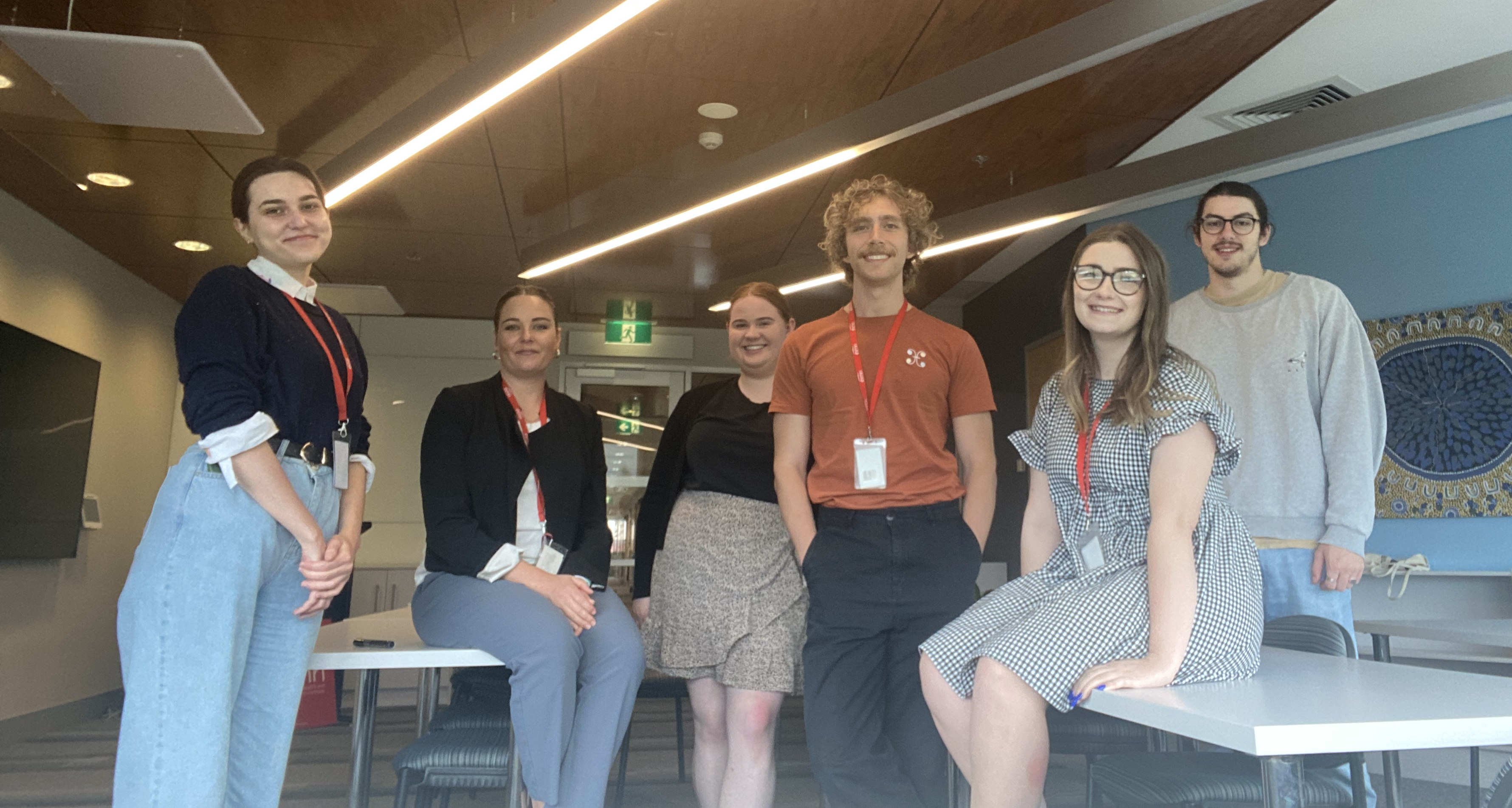
2024 was a year exemplified by the bow and arrow. In January I started employment at The University of Sydney and set off on the significant task of moving our biomedical research lab 80km north. My full-time occupation was overrun by admin: coordinating legal, finance, HR, ethics and grant agencies to transfer funding, clinical samples, contents of the lab, ethics approvals and to recruit new staff and students. I made a strategic decision to focus on re-establishing our existing programs in the new location and hopped off the grant hamster wheel for a season; which was a weird and scary experience but mentors reassured us that we should trust the process. In hindsight, I think we made the right decision. With significant help from our grad student and then research assistant Dominic, we dug in and were back up and running efficiently virtually within 6 months. The pullback period was largely over.
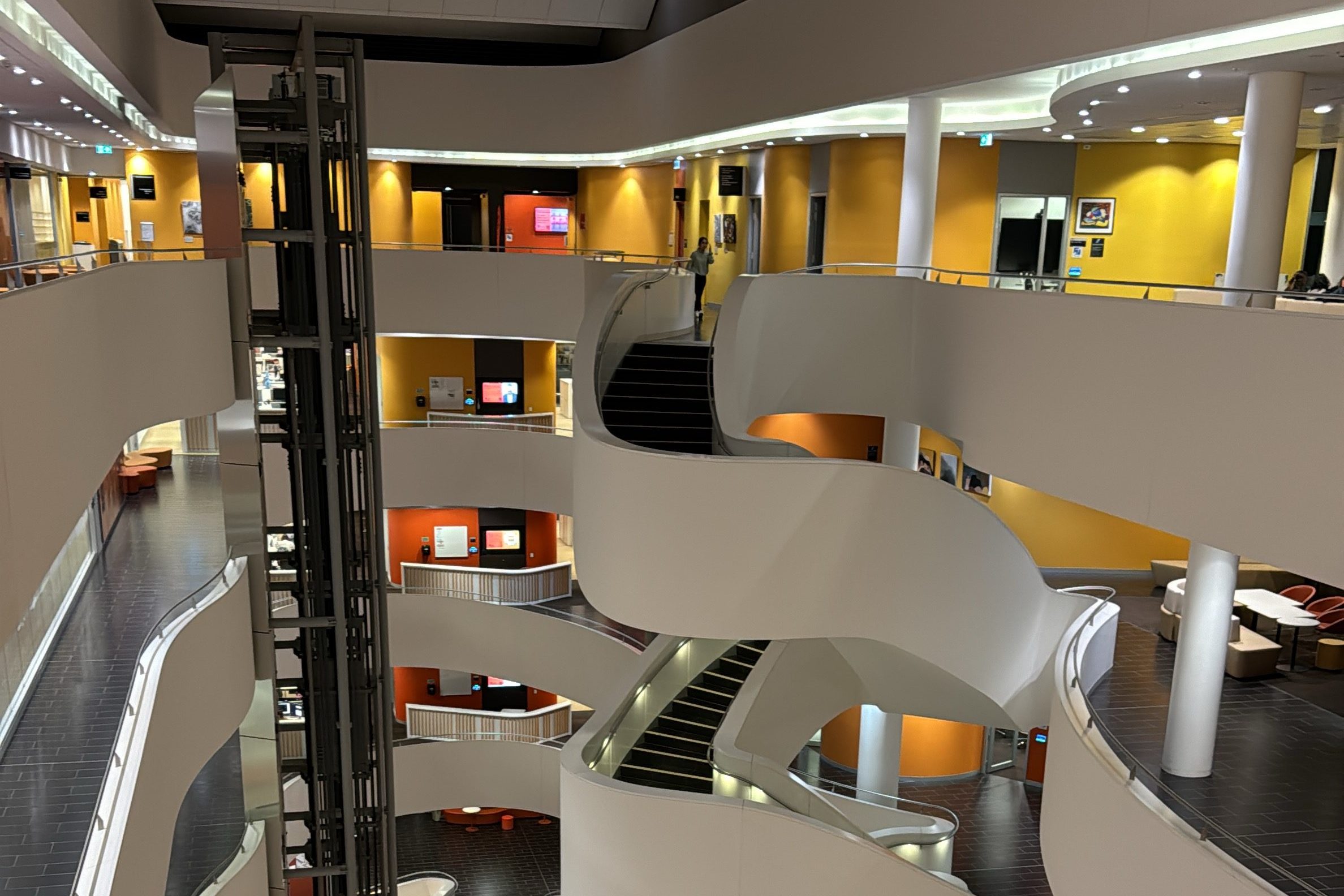
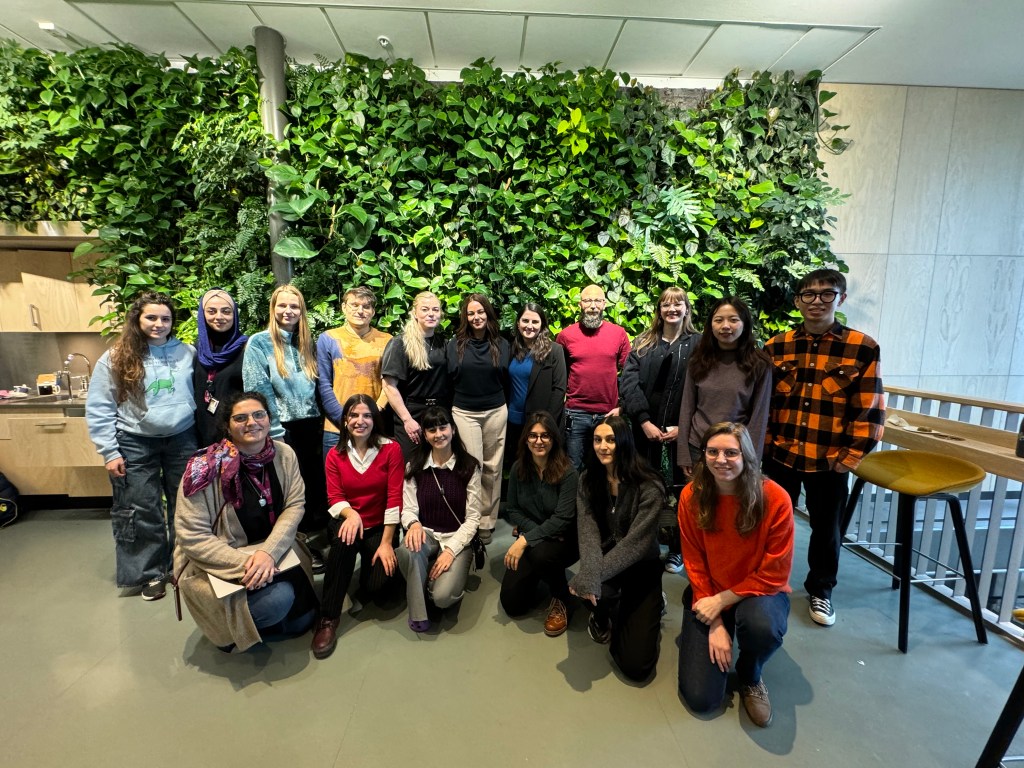
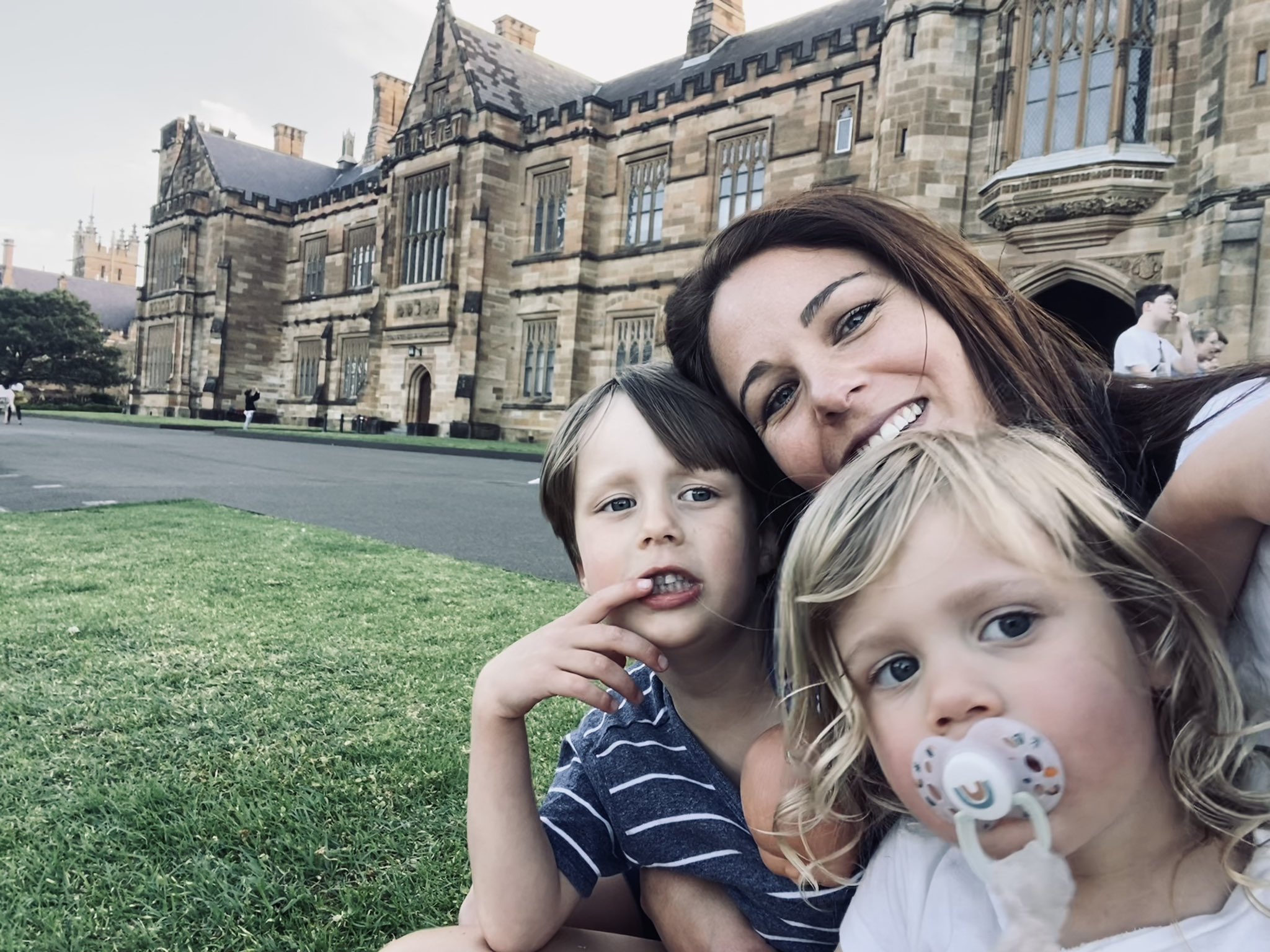
Despite the disruption, we’ve had a blast this year weaving ourselves into the fabric of The University of Sydney. Within a highly supportive school and institute, we’ve very much enjoyed merging with the university network and joining a group of brilliant scientists and great humans. I’m also privileged to be part of the Sydney Horizon Fellows group and getting to know the Fellows better over the year. The program has been well run and is providing invaluable training, networking and collaboration opportunities, both personally but also trickling down to our team members with more of the organised events being opened to the Fellows’ entire research groups.
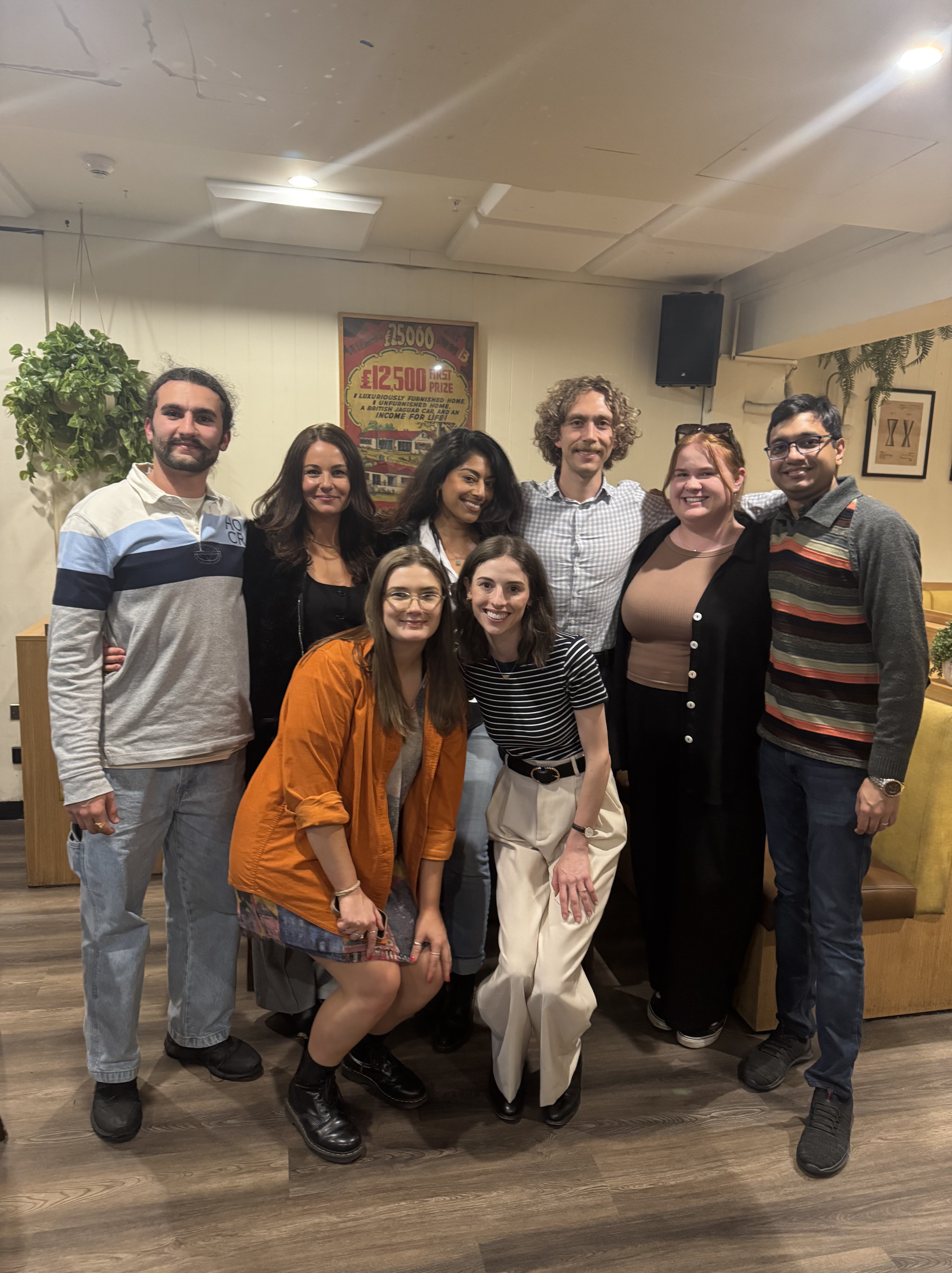
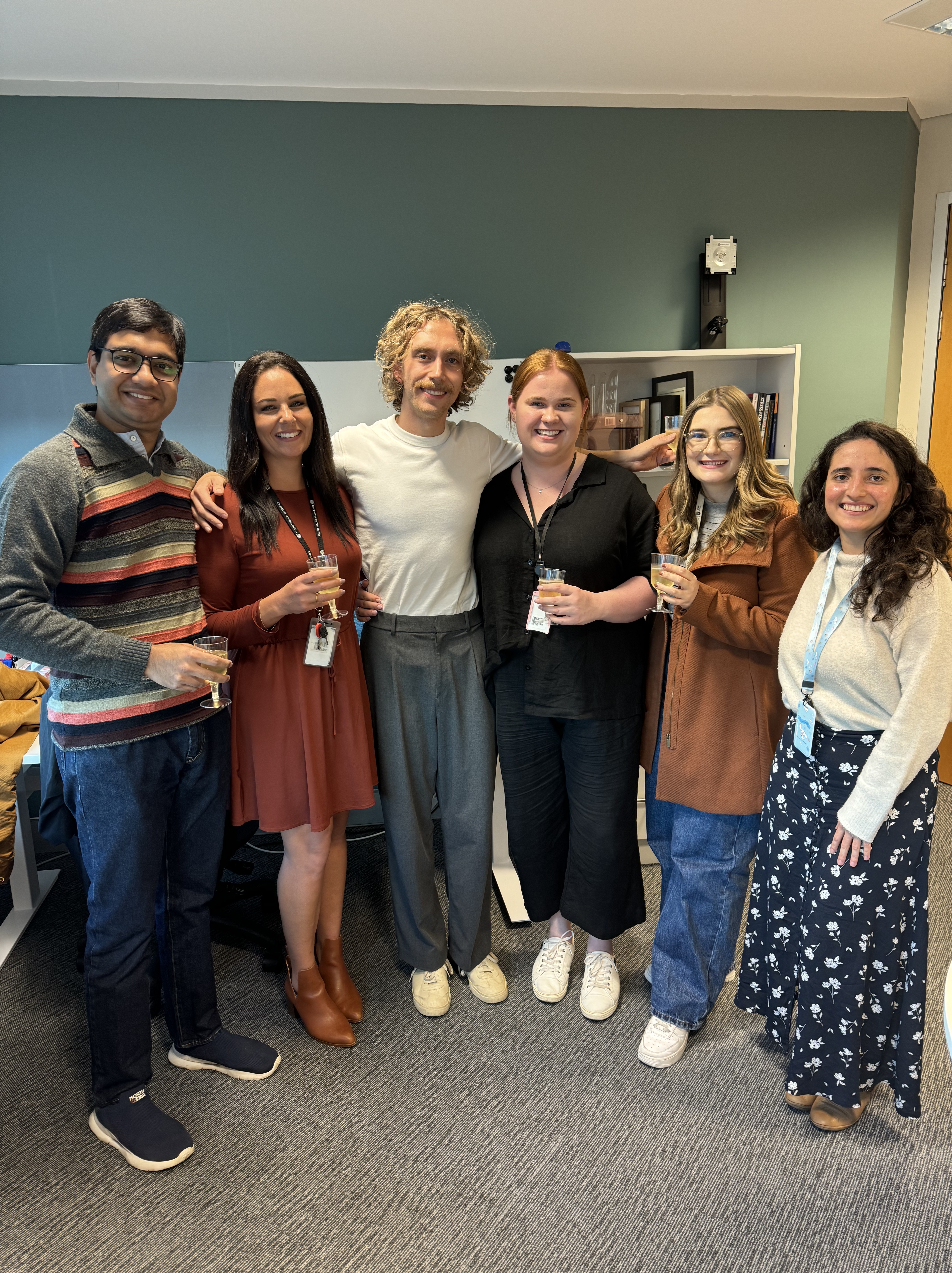
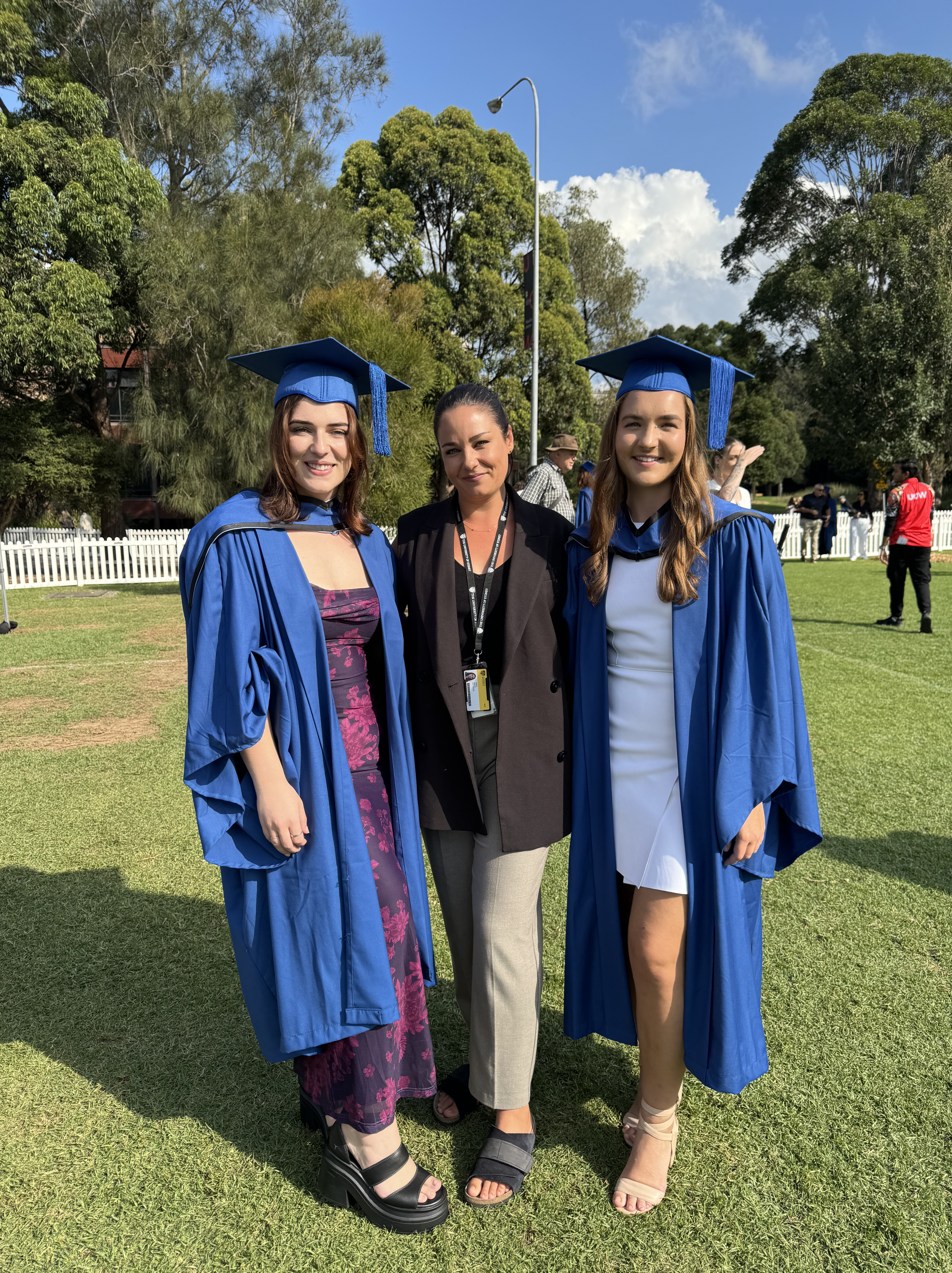
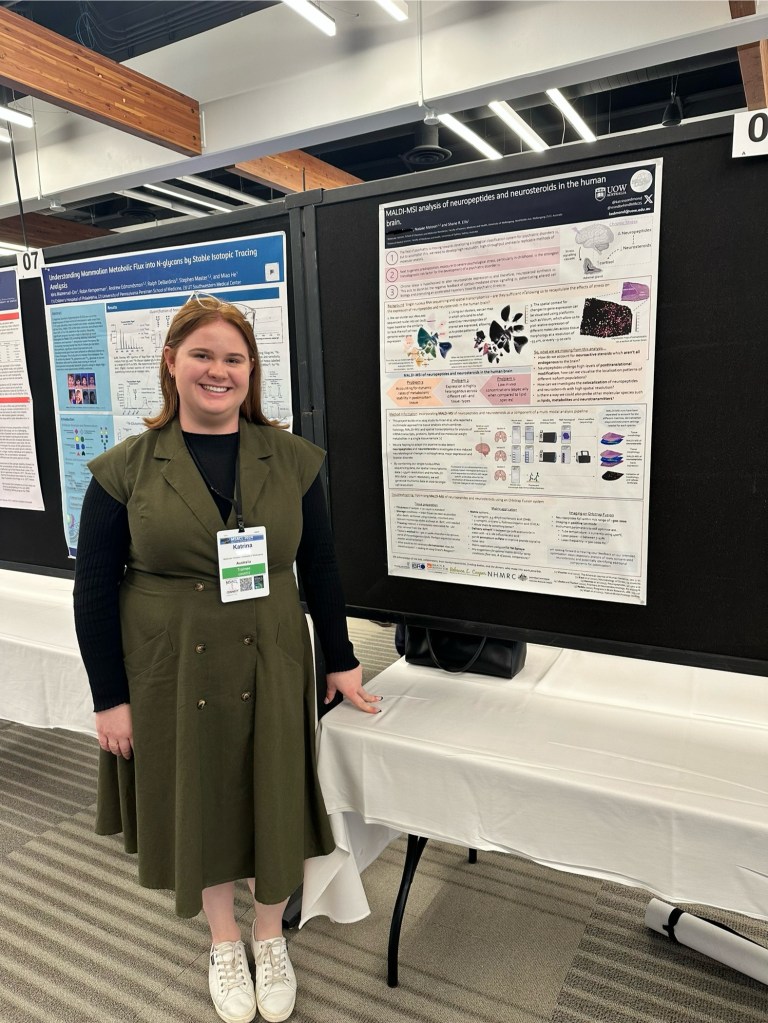
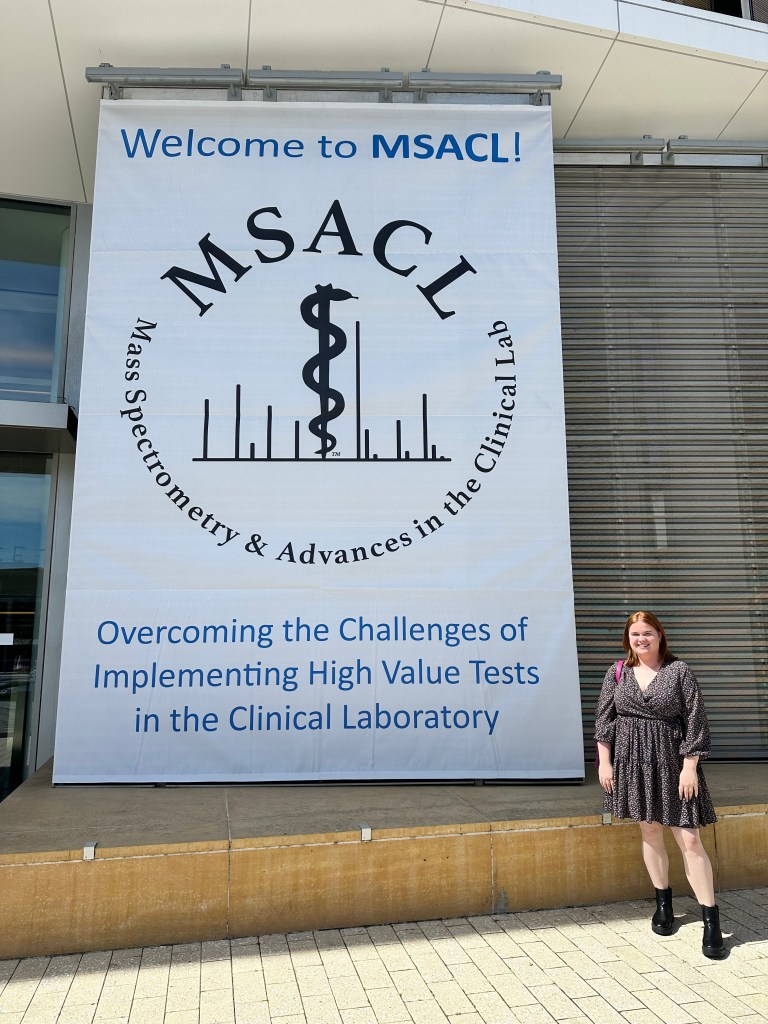
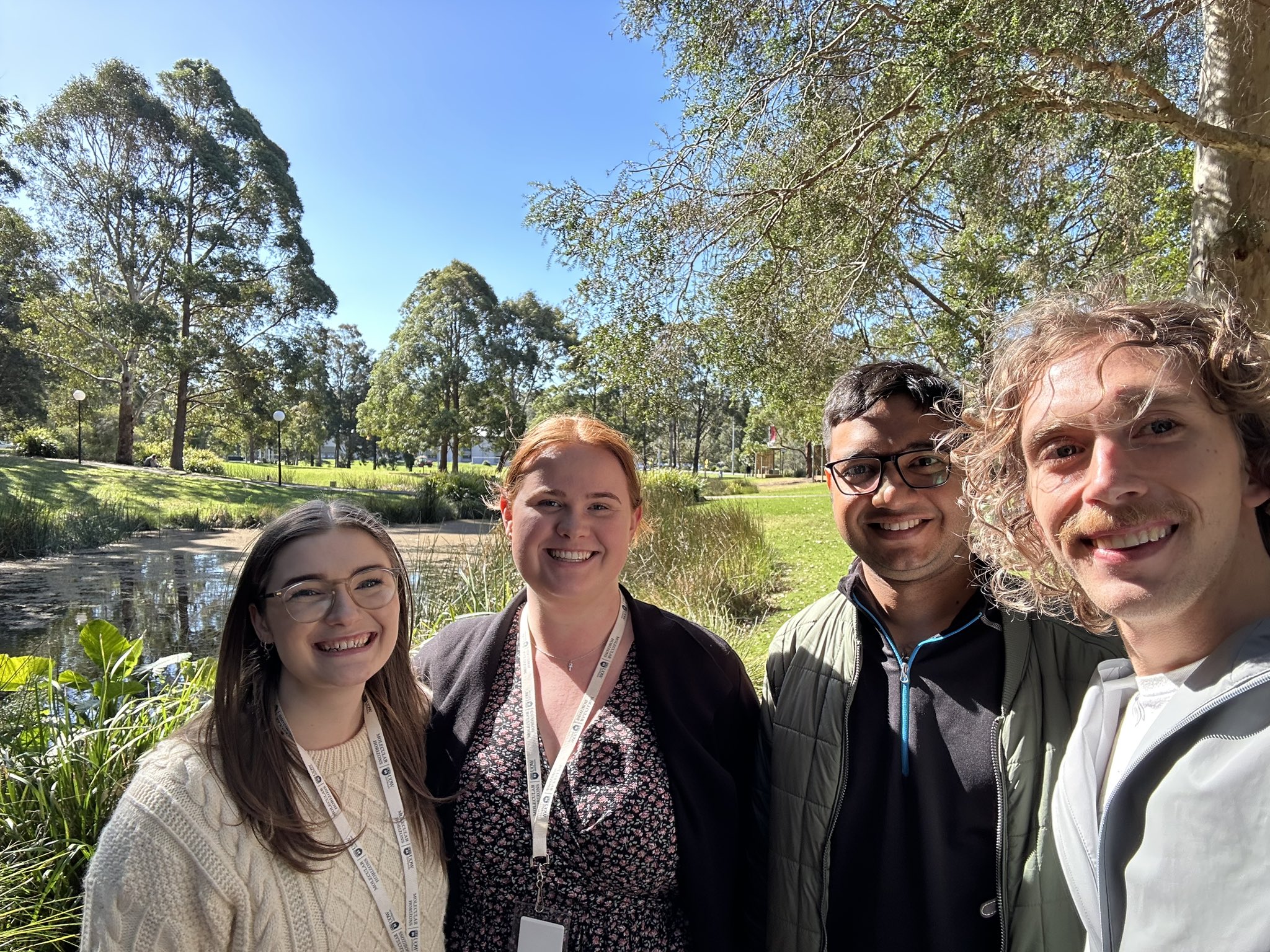
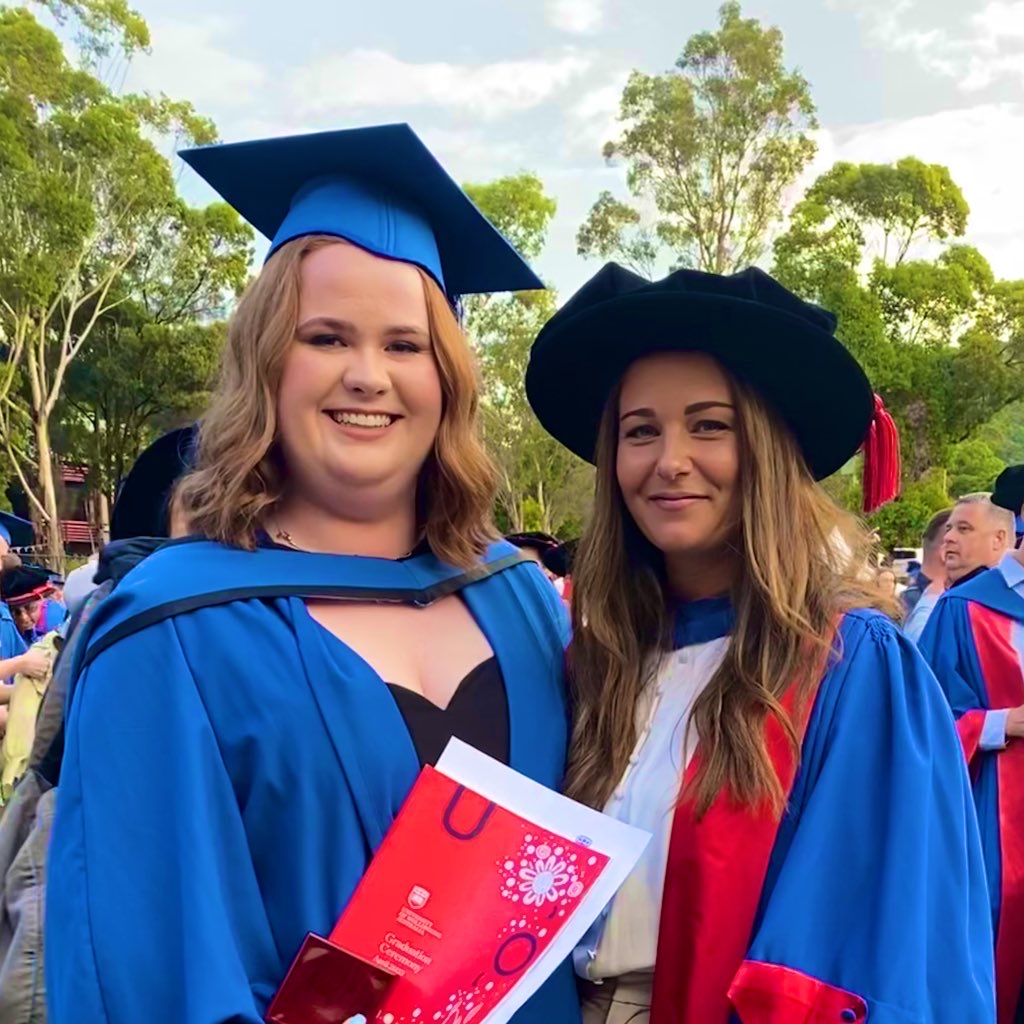
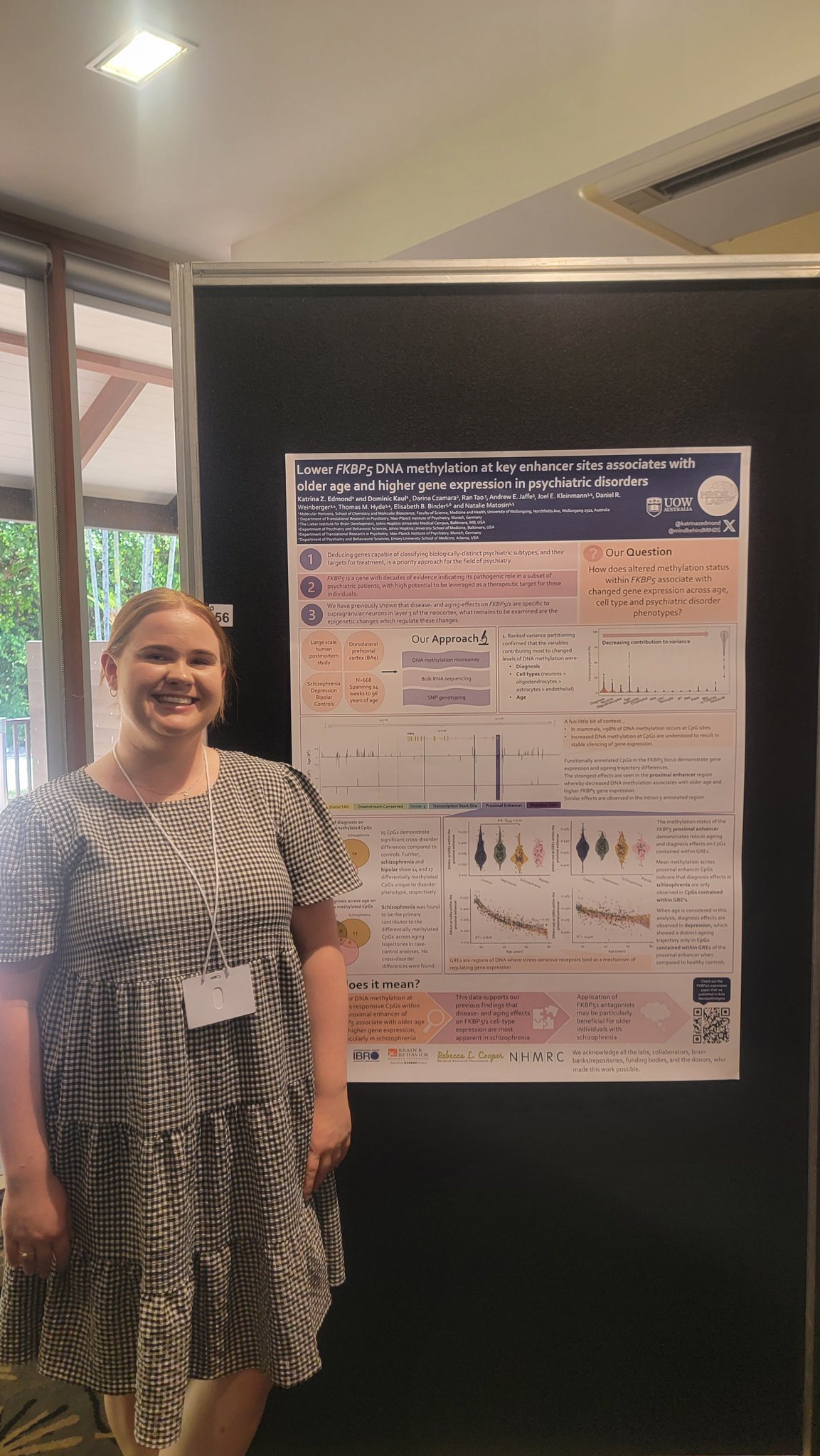
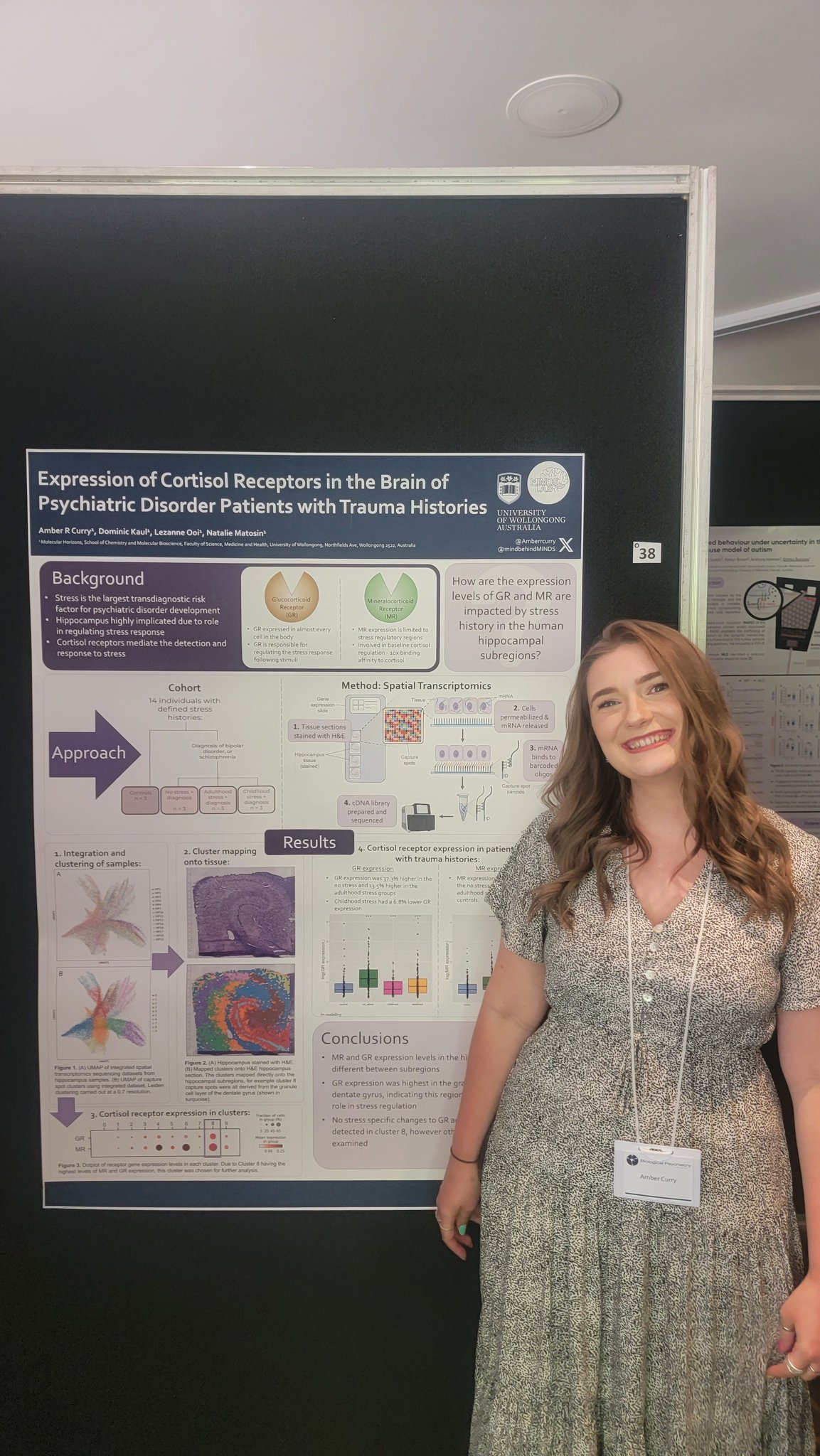
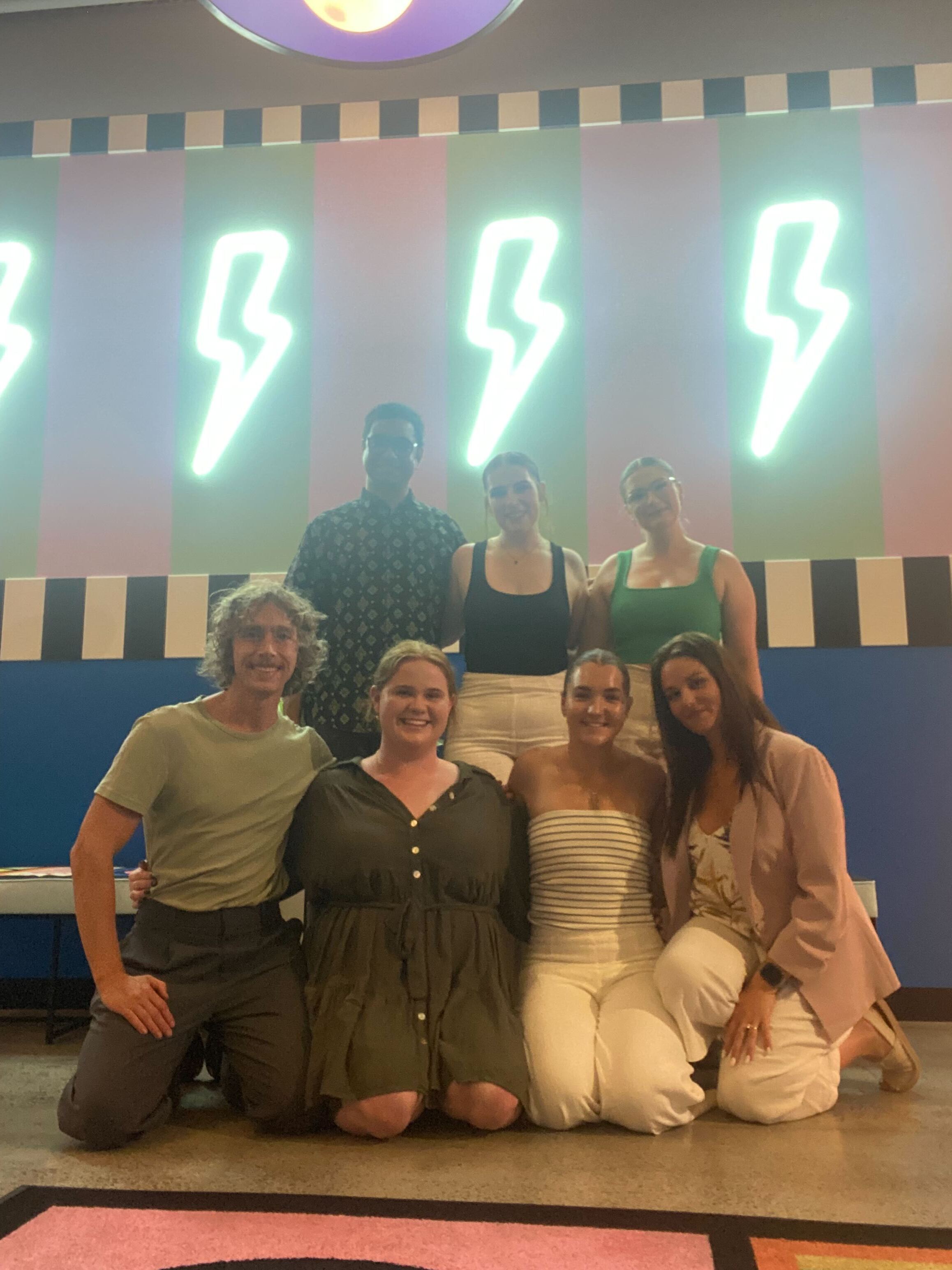
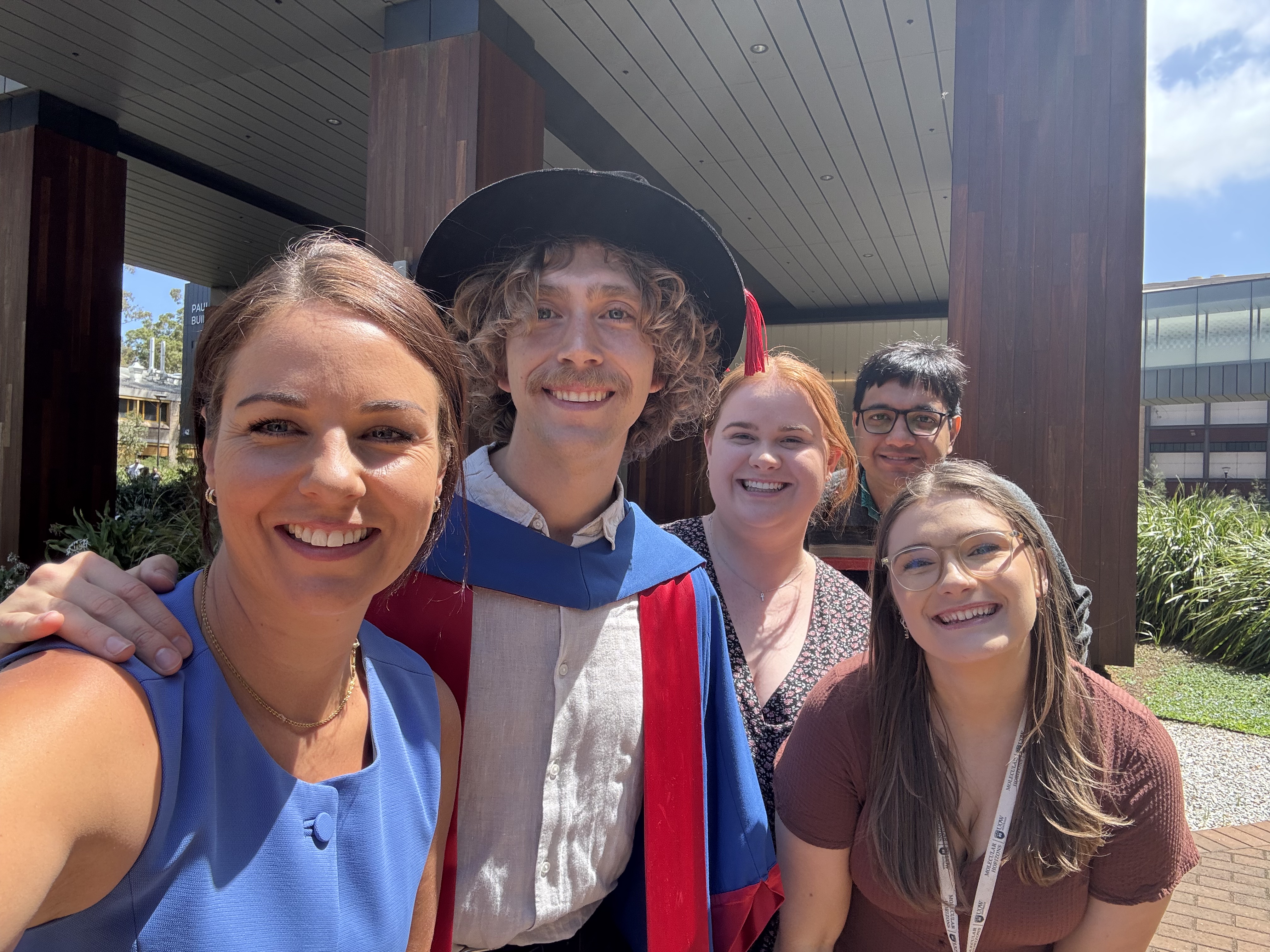
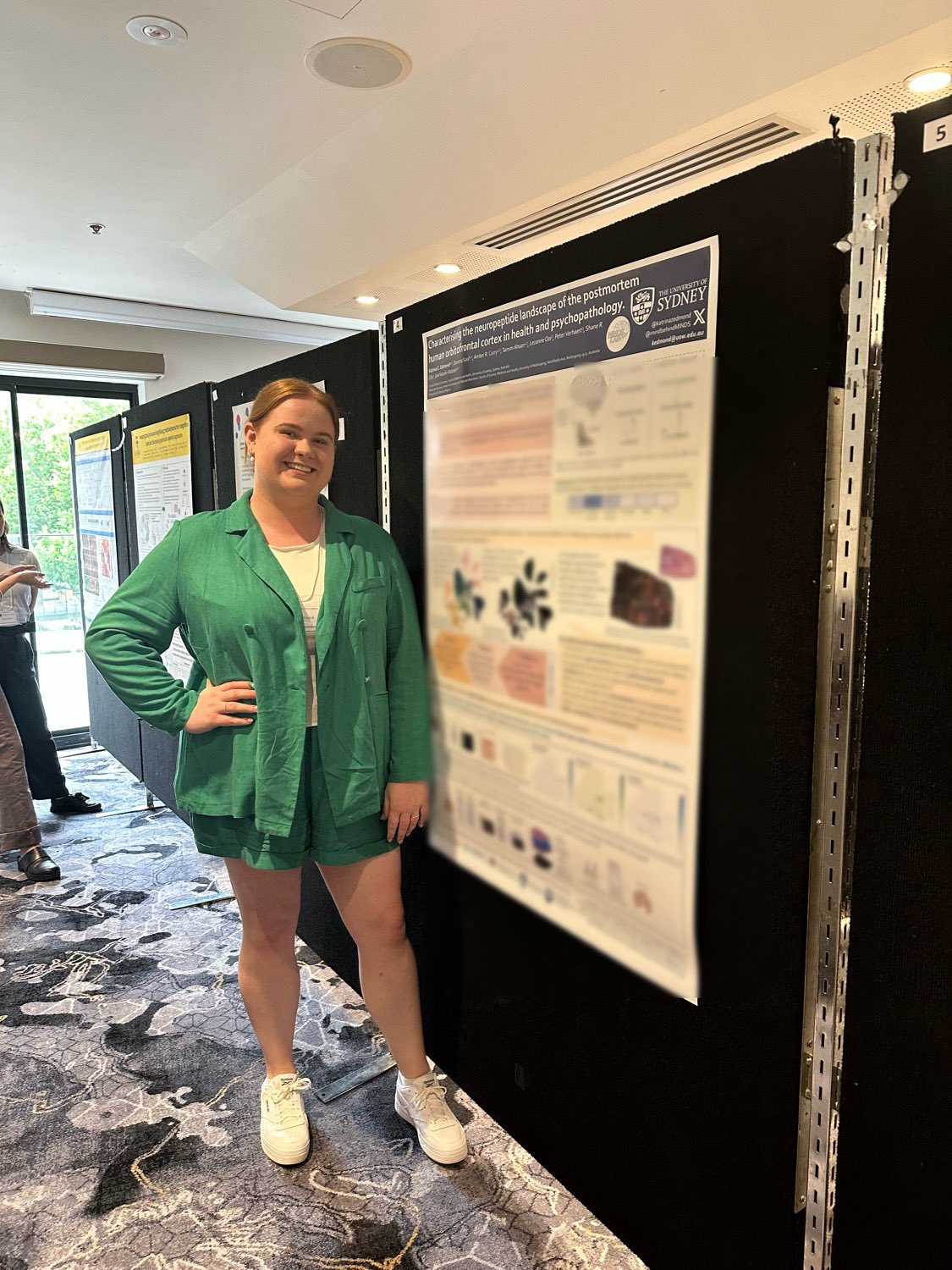
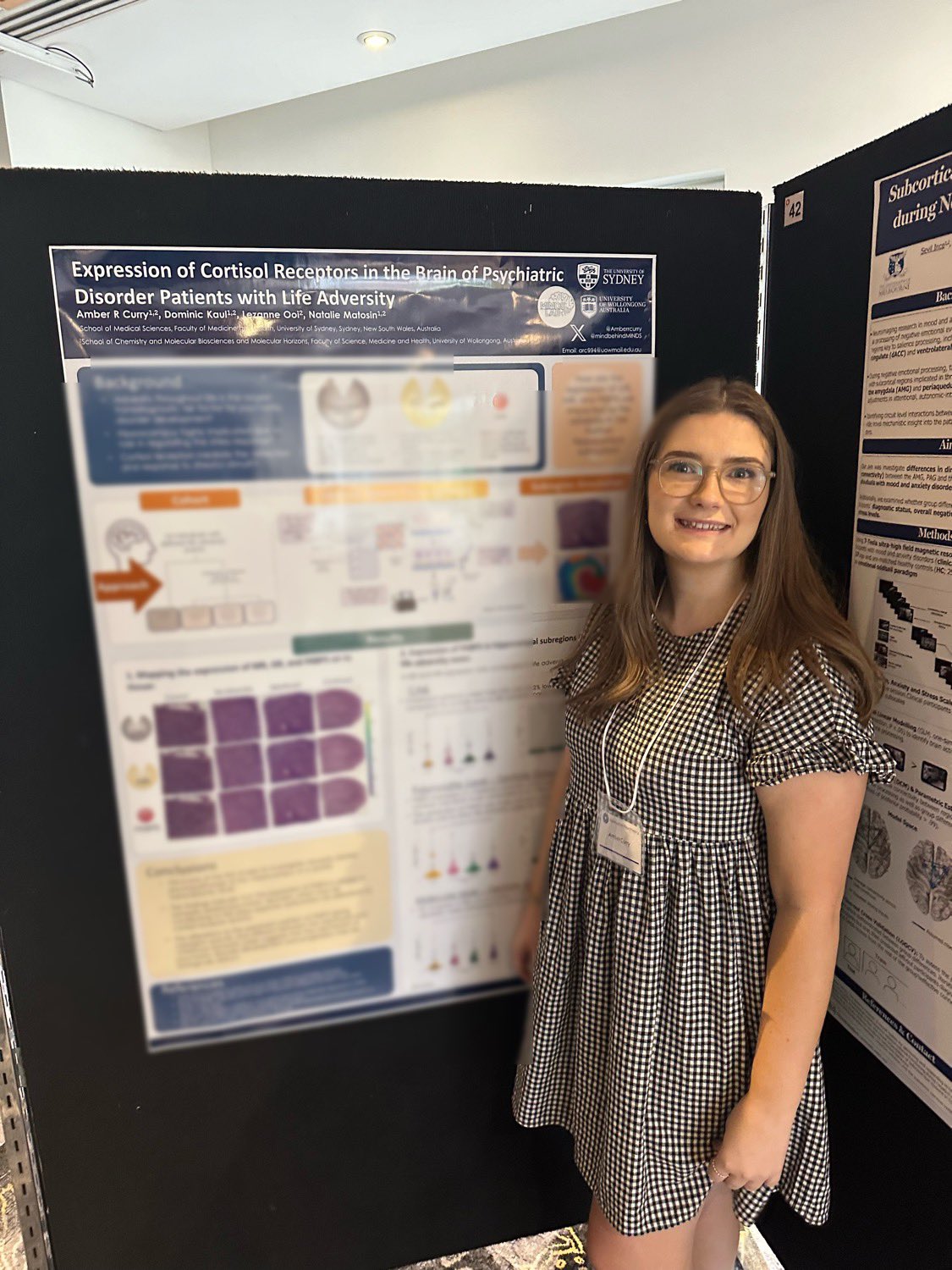
The existing MINDS Lab members (Dominic, Amber, Tamim and Katrina) were absolute champions in traversing the transition and faced the year with grace and a hunger for new opportunity. Amber kicked off the year with a new publication in the journal Stress. Katrina was awarded an international Spatial Mass Spectrometry Trainee Educational Grant from Mass Spectrometry and Advances in the Clinical Lab and presented at the organisation’s conference in California. Dr. Dominic Kaul graduated from his PhD with an Examiner’s Commendation. His body of work can be found here and we look forward to seeing it published next year. We are very proud of all Dominic achieved during his time with us and are grateful for all he contributed to our group. While he is missed, we love watching his new career evolve as a biostatistician with NSW State Health.
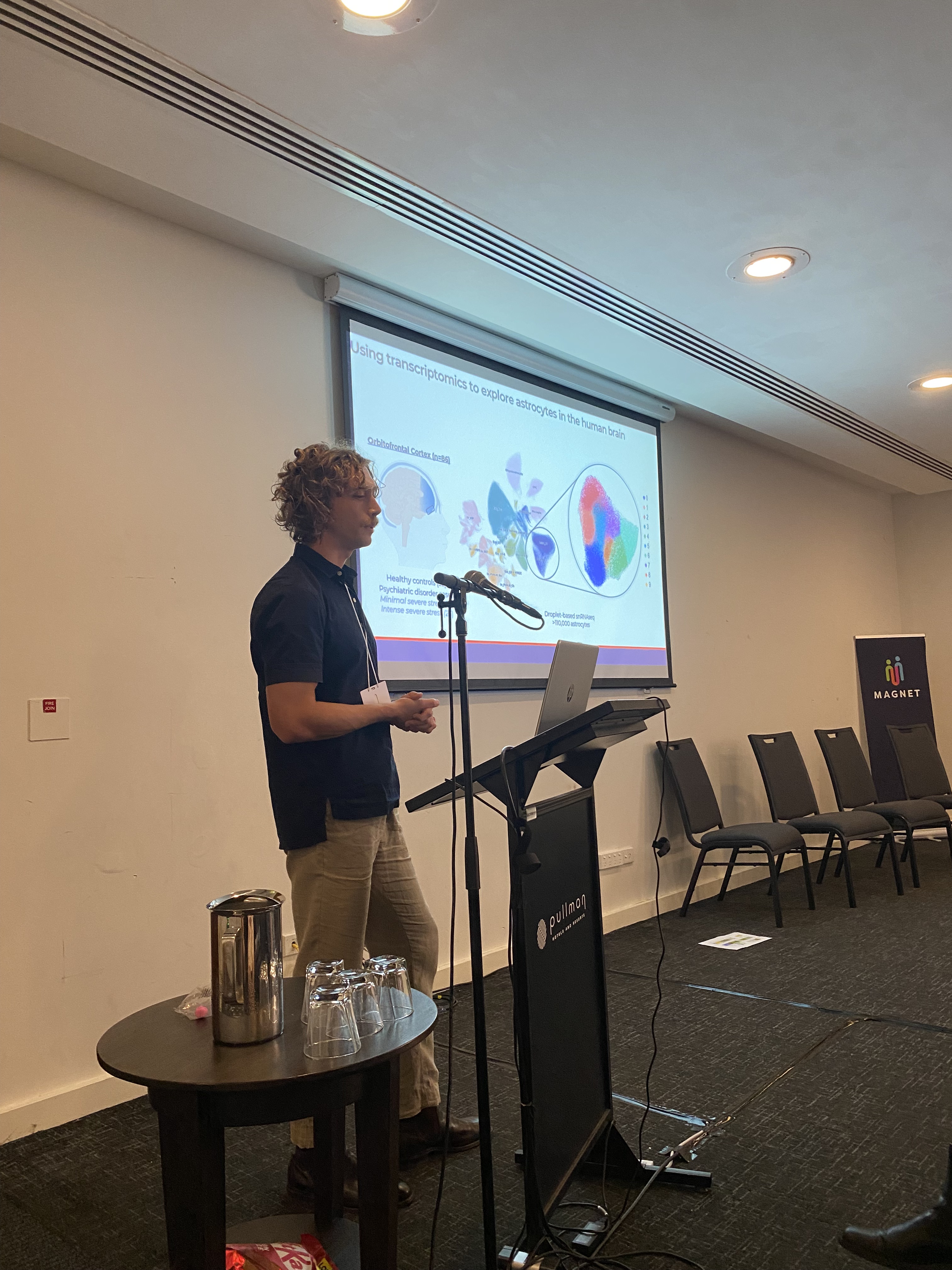
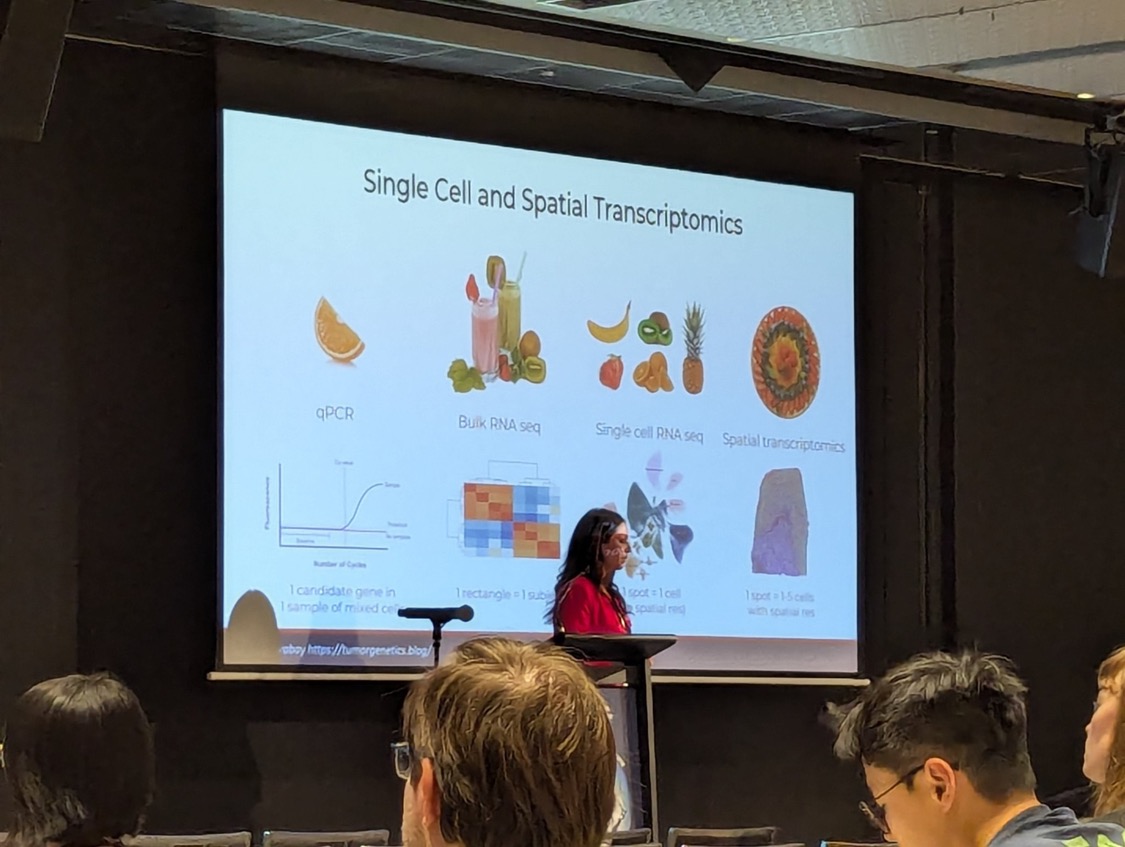
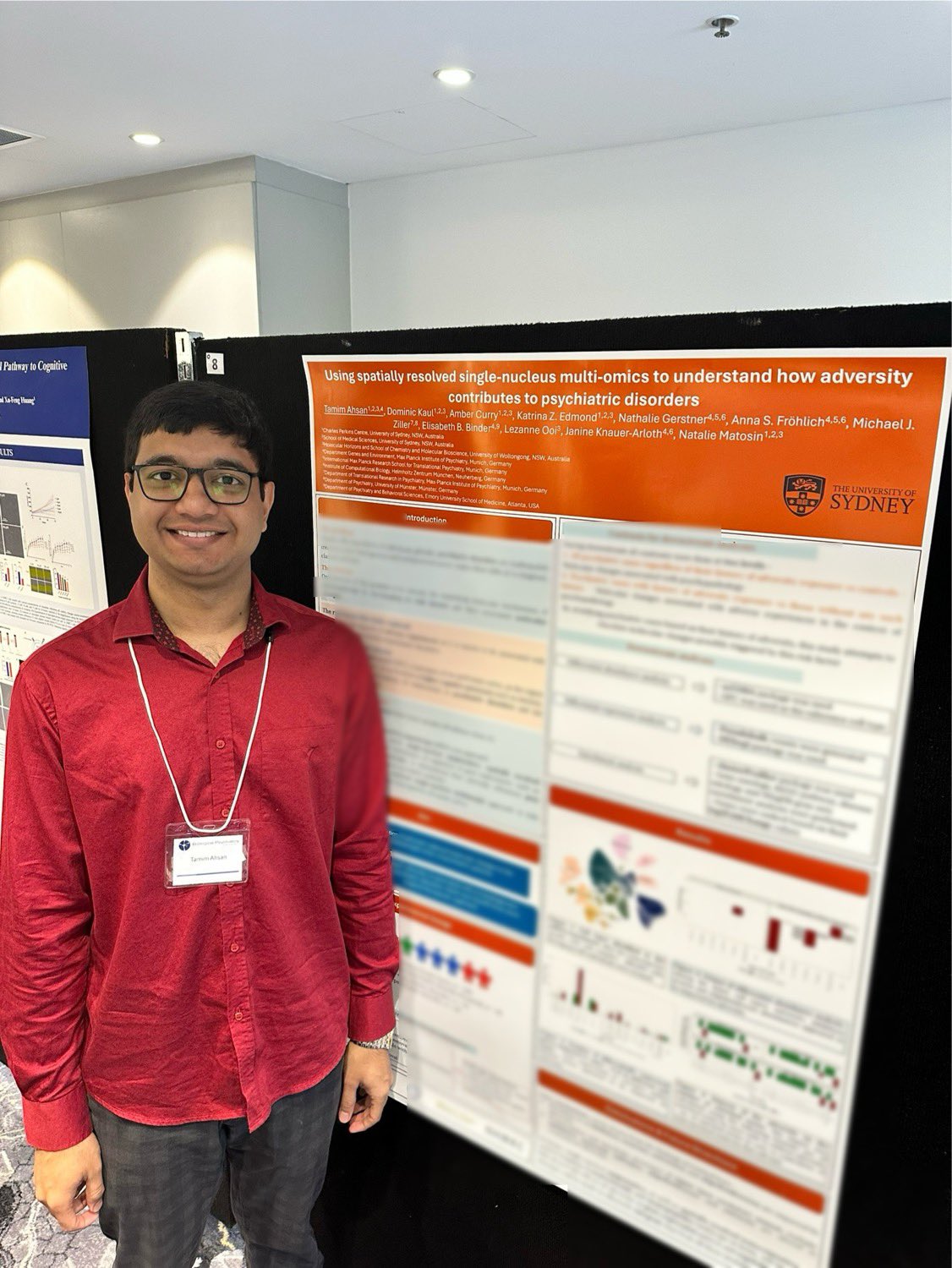
I had the honour of sharing Dominic’s work over Nov-Dec at the University of Melbourne’s Neuropsychiatry Centre and the Monash Institute of Pharmaceutical Sciences, the Australasian Neuroscience Society meeting in Perth and the American College of Neuropsychopharmacology conference in Arizona. We’ve had great excitement and feedback on the work. What I’m finding most exciting about our lab’s current research direction is the ability to begin to define, with high precision, new [molecularly and anatomically defined] populations of human brain cell types that we previously didn’t know existed. With our recent grants and our new programs underway examining large cohorts of human brain samples, I strongly believe in the potential of our spatial multi-omics experimental approaches for fundamental discovery. I’m pumped to see how far we can push these new technologies to better define the cellular and molecular landscape of the human brain, its relevance to other species, and subsequently how it changes in disease. This work is being led by Tamim, Katrina and Amber but we are really taking a whole lab approach with everyone involved.
We’ve also been delighted to expand our team, with the addition of postdocs Dr. Lydia Hardowar and Dr. Sophie Debs and our Honours students Jooya Kalantar (since mid 2024) and Sonia Hoang (commencing in 2025). Lydia and Sophie have really taken the bull by the horns with both their projects as well as their leadership within our lab. I’ve been impressed with how they’re fostering a positive lab culture and finishing off the lab set-up since Dominic passed the baton. What a great feeling (and relief) to see things competently ticking along with speed. It has also been fantastic to see our clinical refugee trauma project kick off again with the NSW Refugee Support Service STARTTS who have been working hard to recruit participants to our clinical program. TRIP (The Trauma and Refugee Intervention Project) aims to understand biological intergenerational transmission of stress and trauma. I co-lead this program with Prof Sibylle Schwab at the University of Wollongong, and we have a growing number of clinical samples to send for epigenetic screening in 2025.
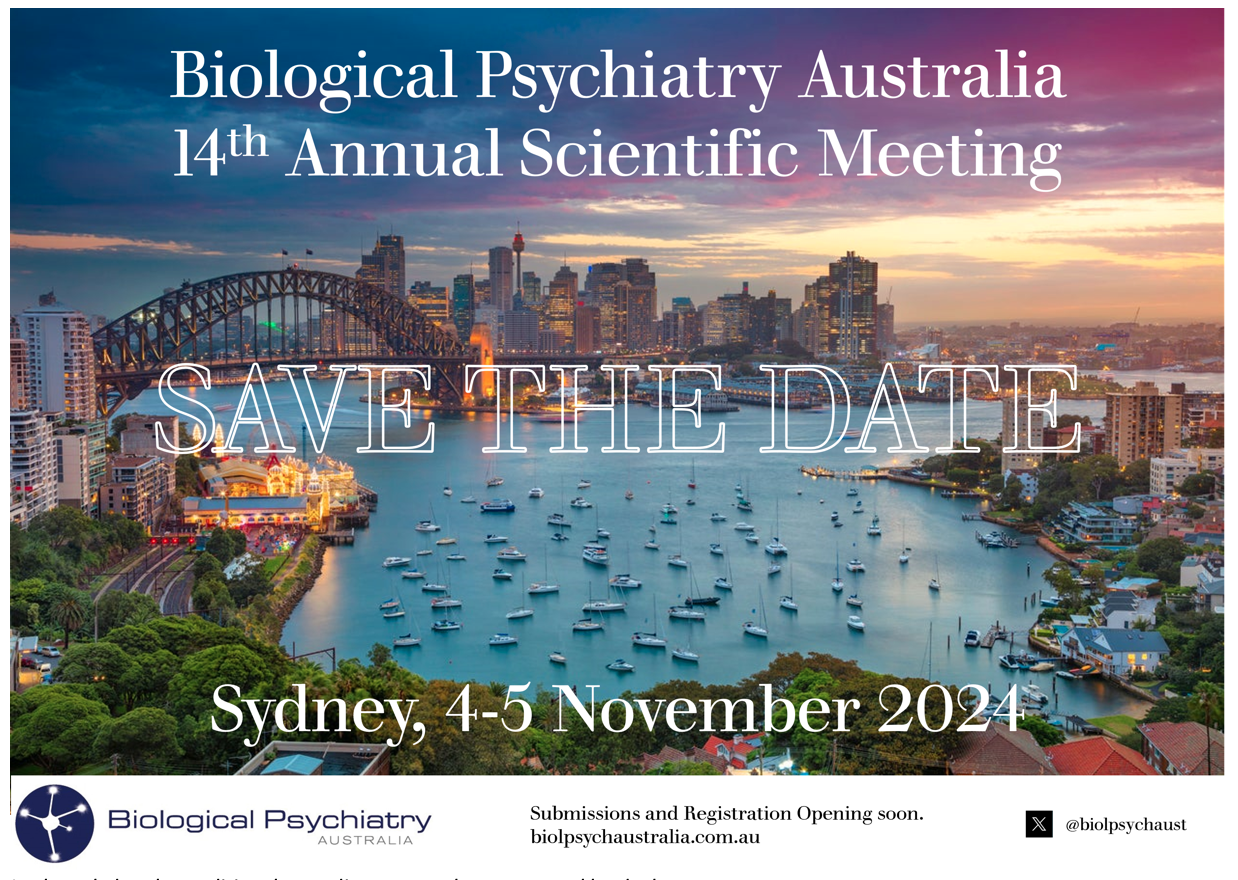
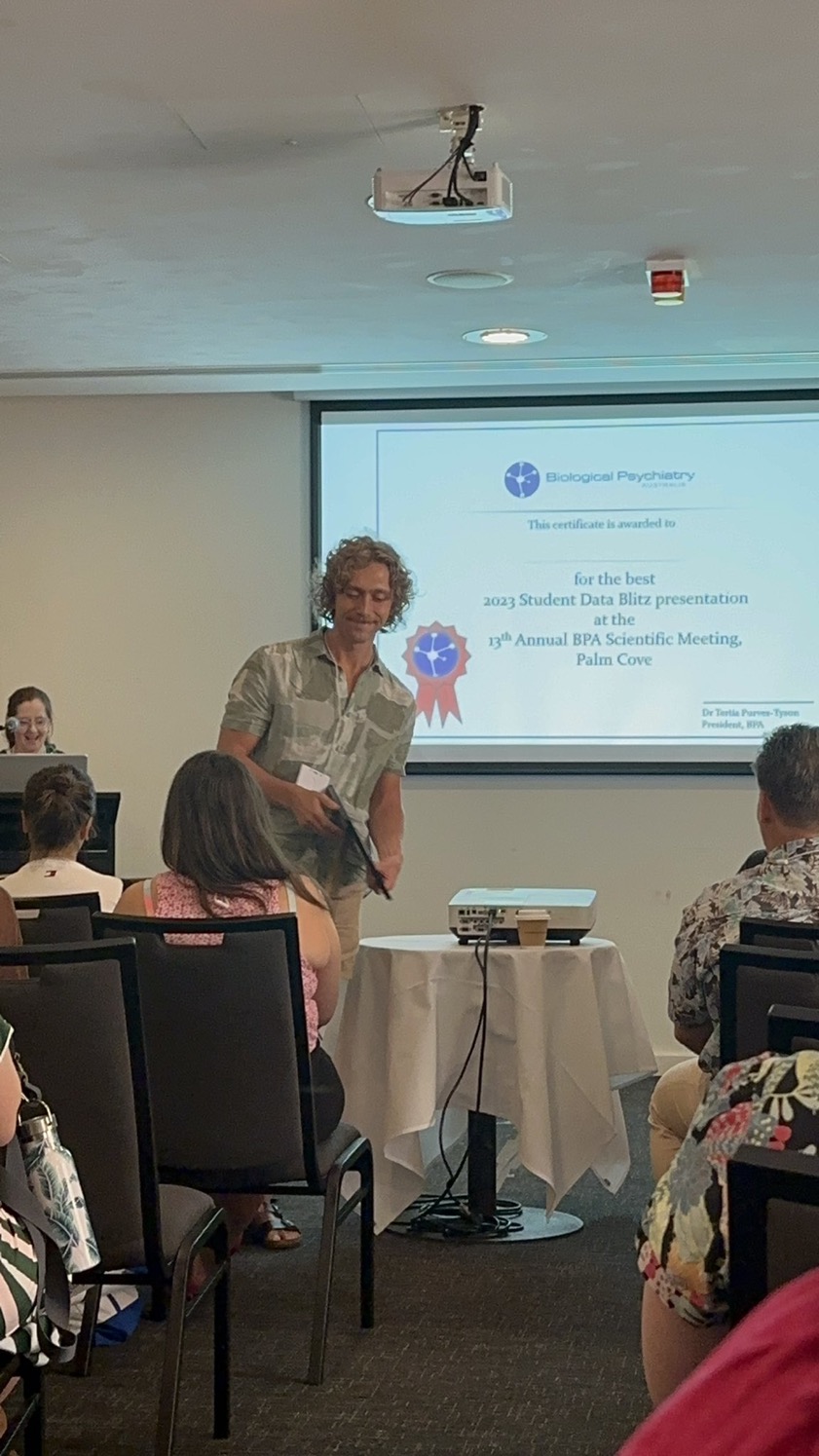
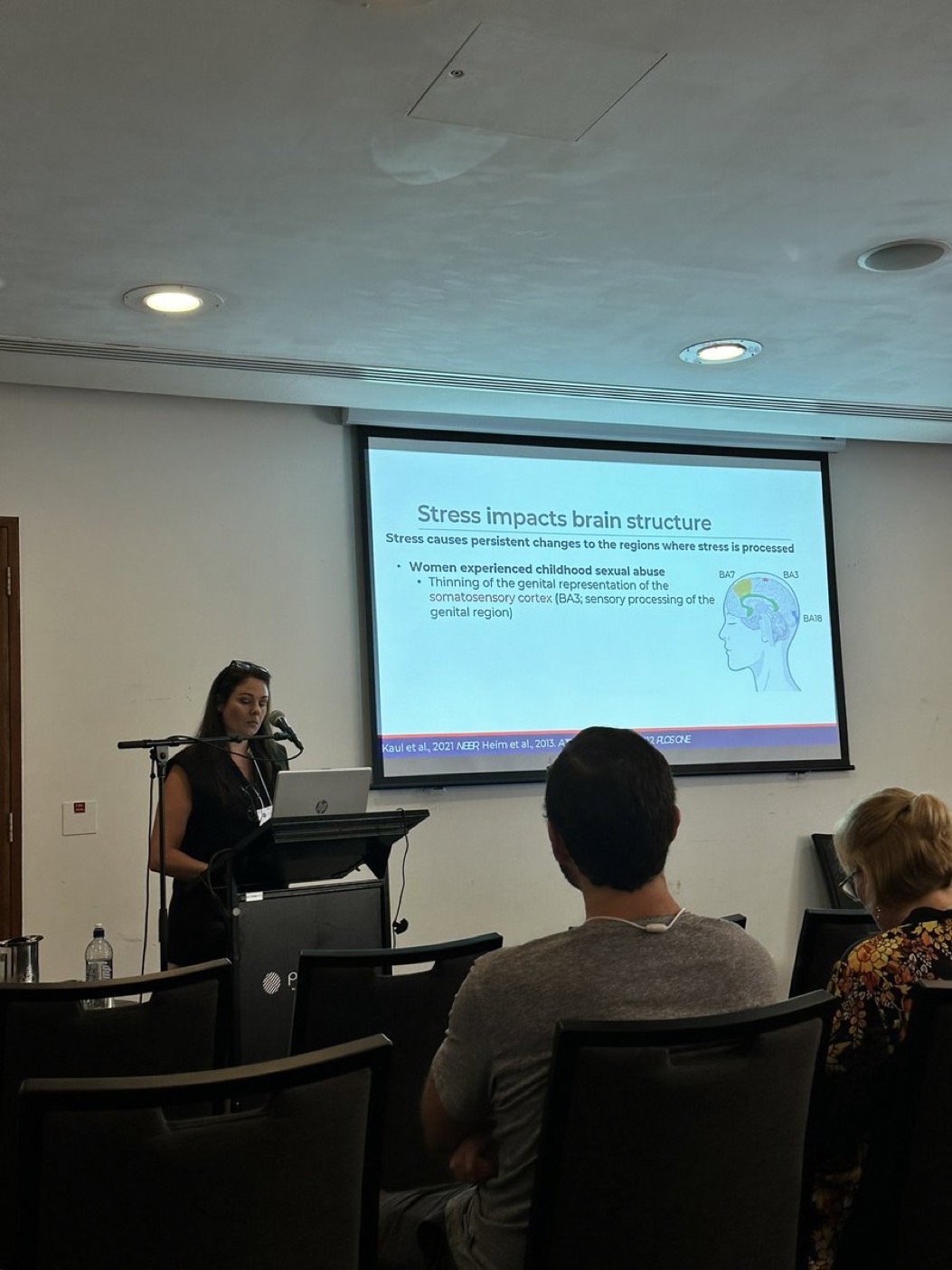
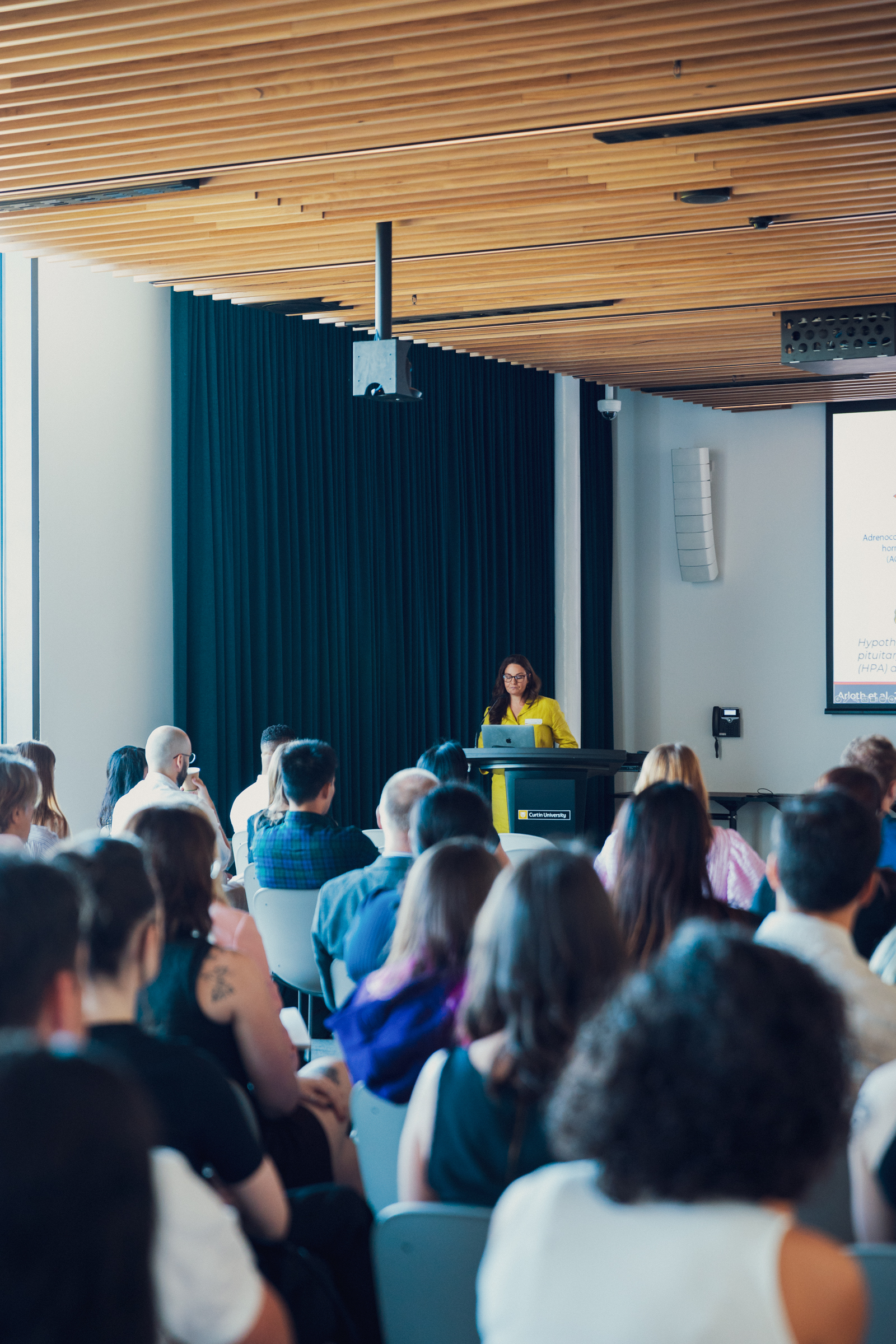
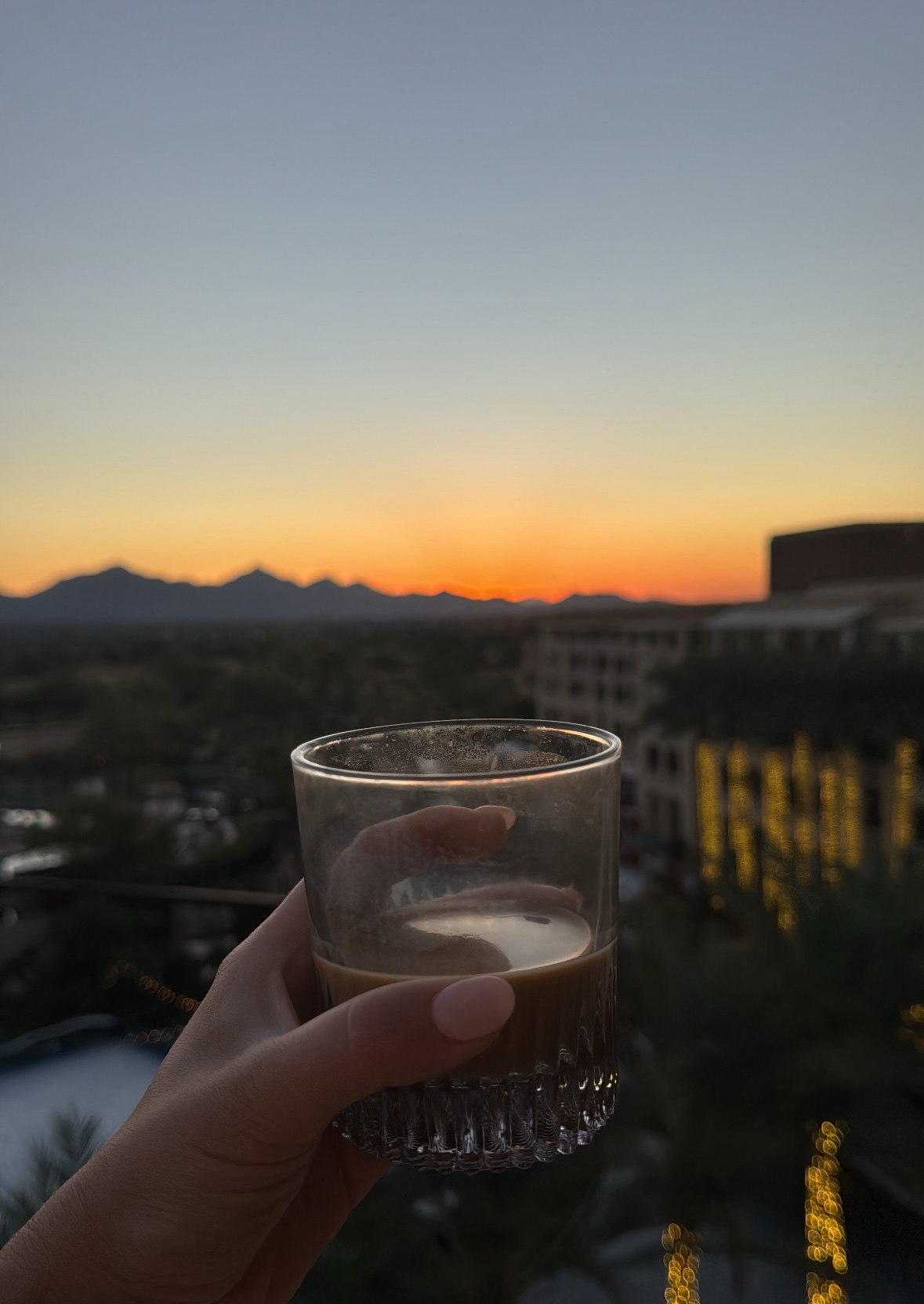
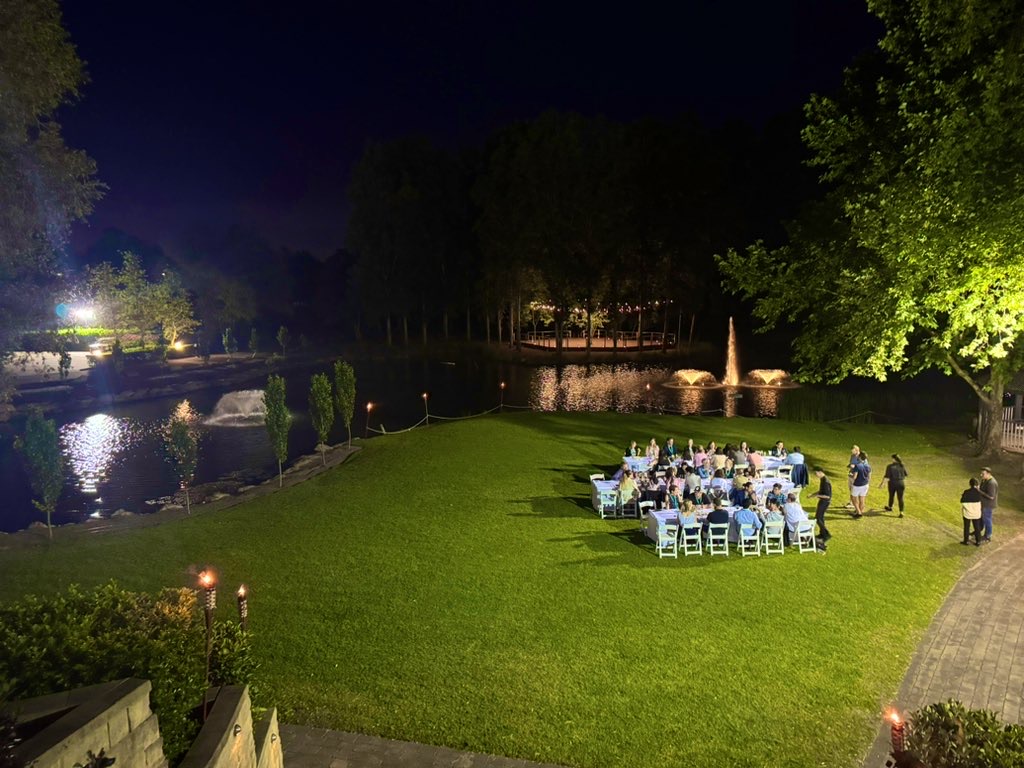
The end of the year was nothing short of chaotic with conference season. We kicked off with Biological Psychiatry Australia in Sydney which I co-chaired with Dr. Christina Perry and supported by a highly capable Local Organising Committee. This was a ~200-delegate conference with no formal support by conference organisers, so we had our work cut out for us. It was a great experience and very grateful to lean on Christina and President, Dr. Tertia Pyrves-Tyson, who are experienced conference organisers. Also a big thanks to our lab for stepping in and helping with the organisation. The lab did a great job presenting their work both in Sydney and at the Australasian Neuroscience Society Conference shortly after in Perth, where I also received the A.W. Campbell Medal. After a few days rest at home, I was back off to Pheonix, Arizona for the conference of the American College of Neuropsychopharmacology (banner photo at the start of the post) where I was inducted into the college as an Associate Member. These international recognitions represent the collective hard work of our lab members past and present, and guidance by many mentors, which has altogether been much greater than the sum of its parts and I am deeply thankful to each of them.
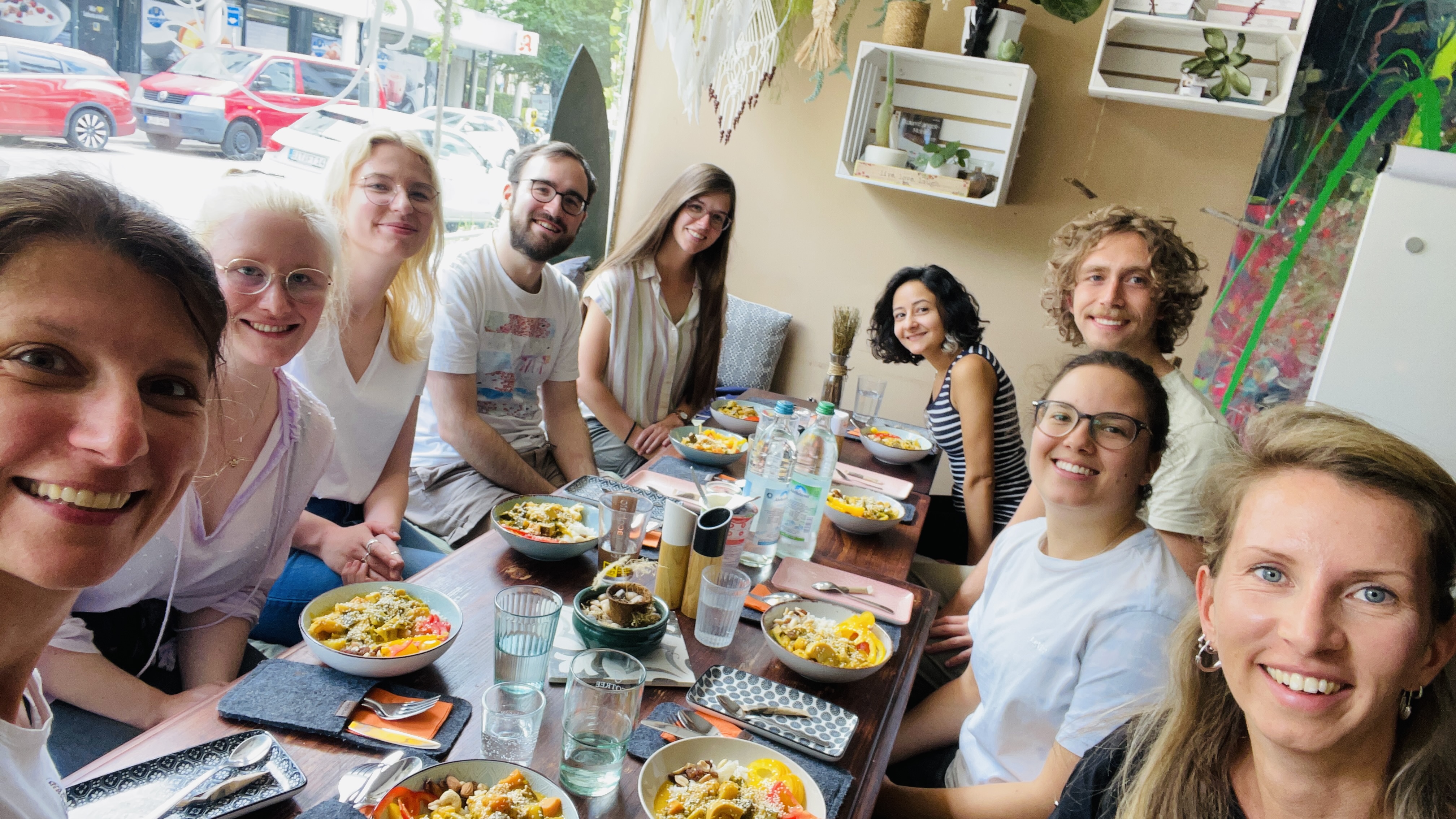
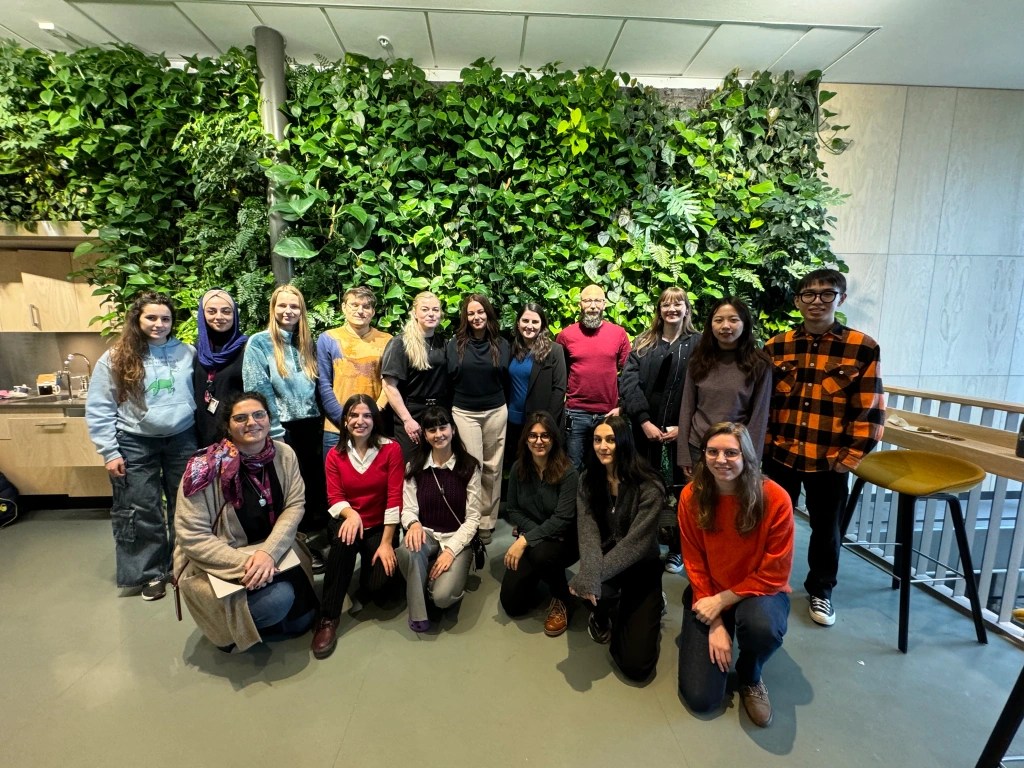
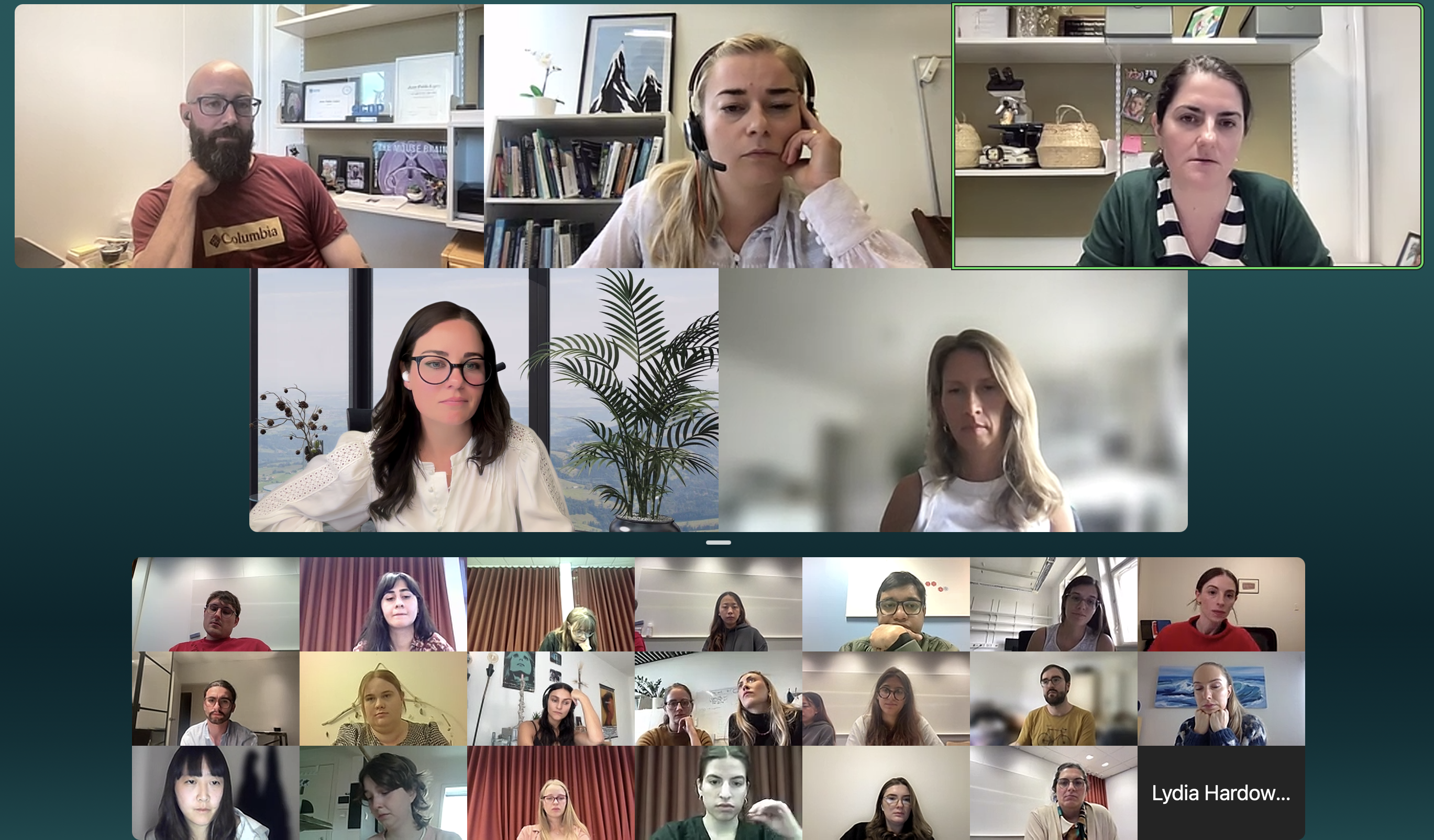
The last significant thing I’d like to mention from this year was the development of NeSTED. NeSTED is an international research network with the aim of understanding the effects of stress and trauma during critical developmental periods. The network is composed of research groups from Stockholm, Reykjavik, Munich and us in Sydney, with different complementary disciplines, ranging from preclinical to clinical and epidemiological research. This group was borne out of our time at the Max Planck Institute of Psychiatry in Munich, where the group leaders were once postdocs together. Our vision for the network is to foster international collaboration between our groups and also to create an international training environment for our lab members, including exchanges between our groups – we already have a training grant for this from the International Brain Research Organisation. This year we met in person in February in Berlin and Stockholm, developed our website, and since we have expanded the group to include Dr. Janine Knauer-Arloth and also hosted our inaugural virtual symposium which will run quarterly. We already have several group projects together and I’m excited to see where this takes us in 2025.
I’d like to end with a huge thanks to all our lab members, collaborators, mentors and research partners who have supported us throughout the year and have been patient while we moved. I’m looking forward to a long rest over the summer before flying forward into 2025 🏹. Merry Christmas and Happy New Year to those that celebrate, and Happy Holidays to all ✨